

When a loved one dies in a nursing home, families may question whether the care provided meets their needs. Falls, medication errors, untreated infections, and inadequate assistance can raise concerns about preventable harm.
A death alone does not establish negligence. A South Carolina claim requires evidence connecting a failure in care to the resident’s death.
Morris Law, LLC helps families evaluate claims involving a preventable death, including those involving nursing home care. Medical records, care plans, and the sequence of events can help explain whether a facility meets its responsibilities.
When Can Nursing Home Negligence Support a Wrongful Death Claim?
Under S.C. Code § 15-51-10, wrongful conduct causing death may support a claim. The circumstances must also support a personal injury claim if the resident survives.
The evidence generally must establish:
- A duty of care: The facility or provider owes the resident an applicable legal duty.
- A breach: The care falls below the required standard.
- Causation: That failure causes or contributes to the death.
- Damages: The death results in legally recognized losses.
For example, a resident with documented swallowing difficulties may need modified meals and supervision. Disregarding those precautions may support a claim if evidence connects that failure to a fatal choking incident.
A resident’s medical vulnerability does not excuse negligent care. However, medical evidence must distinguish harm caused by inadequate care from deterioration that occurs despite appropriate treatment.
How Can Neglect Contribute to a Resident’s Death?
Care failures may involve supervision, treatment, monitoring, or assistance with everyday needs. Potential concerns include:
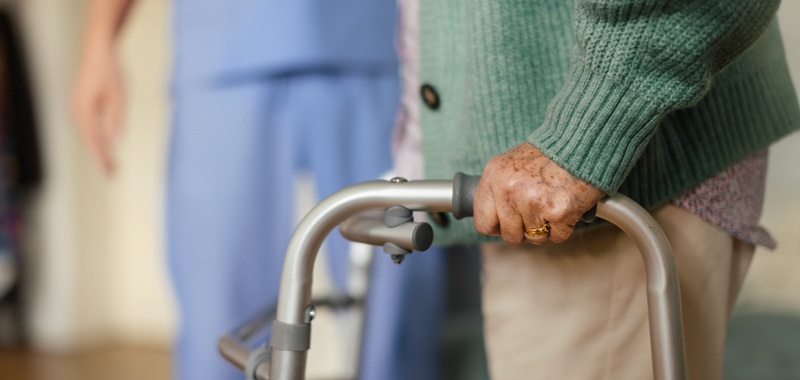
- Falls and inadequate assistance: A resident with dementia, impaired balance, or previous falls may need help walking or transferring. Ignoring documented precautions can expose the resident to fractures, head injuries, and potentially fatal complications.
- Medication errors: Incorrect doses, missed medications, or failures to monitor adverse reactions can cause serious harm. Medication orders, administration records, and medical findings help establish whether an error contributes to the death.
- Delayed responses to infections: Fever, confusion, or worsening weakness may require prompt assessment and treatment. When staff overlook significant changes, experts may evaluate whether the delay contributes to a fatal outcome.
- Pressure injuries and inadequate wound care: Residents with limited mobility may need repositioning, skin assessments, and treatment. Missing preventive care or leaving wounds untreated can contribute to serious complications, including infection.
- Malnutrition and dehydration: Residents may need assistance eating and drinking, intake monitoring, or responses to swallowing difficulties. Repeated failures to provide necessary support can worsen their condition.
Some allegations involve medical negligence, particularly when treatment decisions or professional assessments fall below accepted standards. The investigation must consider the resident’s needs, the care actually provided, and whether a failure contributes to the death.
What Standards Apply to South Carolina Nursing Homes?
South Carolina nursing homes must meet state licensing requirements and applicable federal standards. The South Carolina Department of Public Health oversees compliance and investigates complaints involving licensed facilities.
Certified nursing homes must use standardized resident assessments and reassess residents at least every three months. These assessments help identify changes in functioning and care needs.
Federal nursing home requirements also address resident rights, quality of care, and protections against abuse and improper restraints. South Carolina’s Long-Term Care Ombudsman Program provides another avenue for raising concerns about residents’ care and rights.
Inspection findings and complaints may identify relevant safety failures. However, the evidence must connect a failure to the resident’s death; a regulatory violation alone does not establish that connection.
What Evidence Helps Explain the Care Provided?
An investigation compares the resident’s needs with the care staff actually provide. Relevant records may include:
- Assessments and care plans: Document mobility limitations, swallowing difficulties, fall risks, and required assistance.
- Nursing notes and physician orders: Show symptoms, clinical instructions, and staff responses.
- Medication records: Identify prescribed doses, administration times, and documented monitoring.
- Daily care records: Track repositioning, wound treatment, meals, fluid intake, and other assistance.
- Incident and hospital reports: Help establish injuries, emergency treatment, and medical findings.
- Staffing and training records: May clarify staff assignments and preparation for the resident’s needs.
- Inspection reports and complaints: May reveal earlier concerns involving relevant conditions or practices.
Comparing records can expose gaps that individual documents do not explain. A care plan may require walking assistance, while an incident report describes an unwitnessed fall. Hospital records can then help establish the injury and its consequences.
The timeline also matters when a resident develops worsening symptoms. Records may show when fever or confusion begins, when staff notifies a physician, and when treatment starts. Medical experts can assess whether any delay contributes to the fatal outcome.

Does Every Claim Involve Medical Malpractice?
No. A nursing home claim may involve professional medical negligence, ordinary negligence, or both. The classification depends on the conduct being challenged and whether evaluating it requires professional medical knowledge.
Diagnosis, medication management, and treatment decisions commonly involve professional judgment. Some unsafe property conditions may instead involve ordinary negligence. Supervision and care-plan failures require closer analysis because they can also involve clinical assessments.
Claims classified as medical malpractice generally must follow additional pre-suit procedures. These include the Notice of Intent and expert affidavit requirements under § 15-79-125 and § 15-36-100, subject to applicable exceptions.
The facility’s label alone does not determine which procedures apply. The specific allegations and care involved guide that analysis.
Who Can Recover Compensation After a Nursing Home Death?

Under S.C. Code § 15-51-20, the deceased person’s personal representative brings a wrongful death claim for eligible beneficiaries. Those beneficiaries generally include:
- The surviving spouse and children.
- The parents, if no spouse or children survive.
- The heirs, if none of those beneficiaries survive.
Recoverable damages may include lost financial support, companionship, and the beneficiaries’ mental anguish. Section 15-51-40 also allows exemplary damages for qualifying reckless, willful, or malicious conduct.
A separate survival action may address medical expenses and conscious pain and suffering before death. Those proceeds belong to the estate, while wrongful death compensation benefits the statutory beneficiaries. Available damages depend on the evidence supporting each claim.
Getting Answers About Your Loved One’s Care
Families may suspect inadequate care without knowing exactly what happened or which records explain it. Reviewing care plans, treatment records, and the timeline can help determine whether a failure contributes to the death.
Morris Law, LLC helps families investigate potential wrongful death claims involving nursing home care. Contact our team to discuss your concerns, the available evidence, and your family’s options.