

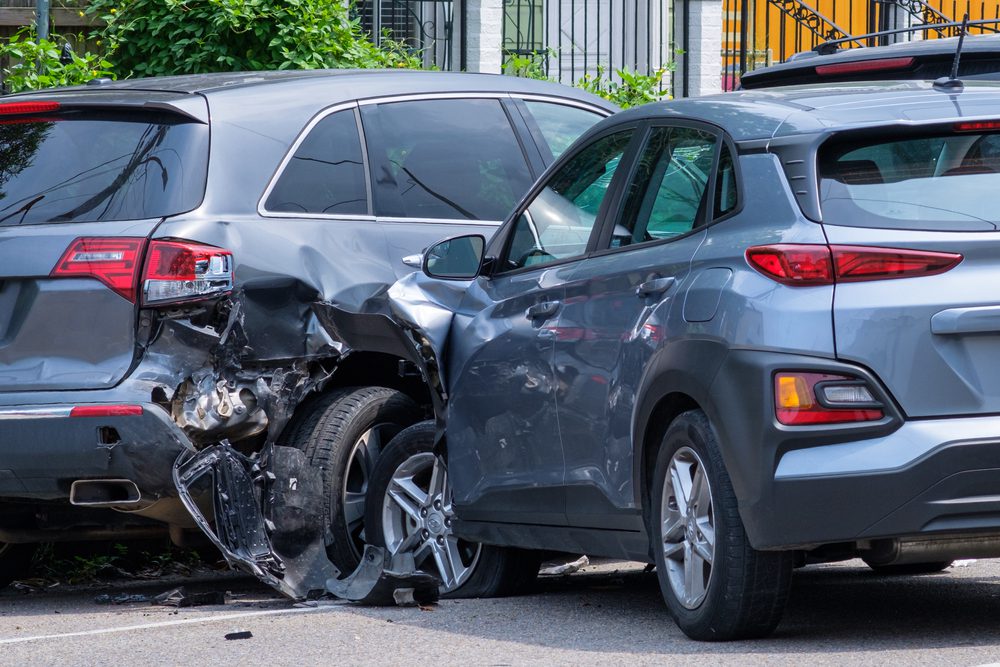
When a driver leaves the scene of a crash, the injured person may still have a path to compensation even if the driver is never identified. South Carolina requires drivers to carry uninsured motorist coverage, which can apply when an at-fault driver causes a crash and leaves the scene.
After a hit-and-run car accident, the steps taken shortly after the crash can affect both the investigation and a potential insurance claim. Reporting the collision promptly, documenting the scene, and preserving available evidence can become particularly important when the other driver’s identity is unknown.
What to Do After a Hit-and-Run Accident
Safety comes first after any collision. If the other driver leaves the scene, useful steps can include:
- Call 911 to report the crash and request medical assistance when needed.
- Write down details about the fleeing vehicle, including its color, make, model, direction of travel, and any portion of the license plate.
- Photograph the scene and vehicle damage, including debris, paint transfer, skid marks, and surrounding conditions when it is safe to do so.
- Get contact information from witnesses before they leave the area.
- Look for nearby cameras, including business security systems, doorbell cameras, dashcams, or traffic cameras that may have recorded the crash.
- Preserve your own dashcam footage, if available, rather than allowing it to be automatically overwritten.
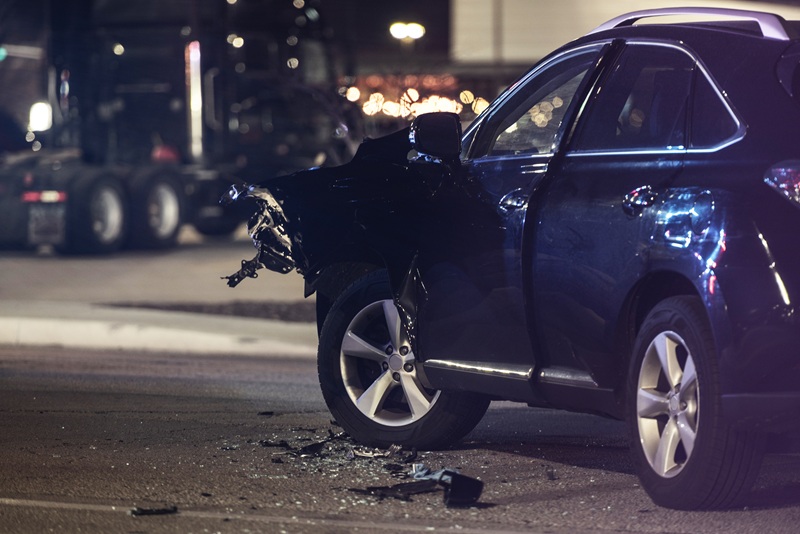
These steps can matter after any hit-and-run, but the available evidence will depend on where the collision occurred. After a crash in a busy commercial area, nearby businesses may have security footage that captured the vehicle. This can be particularly useful when investigating who caused a Myrtle Beach collision and the driver left before exchanging information.
Why Promptly Reporting a Hit-and-Run Matters
South Carolina law requires an accident involving an unknown driver to be reported to an appropriate police authority within a reasonable time under the circumstances to recover under uninsured motorist coverage. The statute does not establish a specific number of hours for making that report.
Reporting the crash promptly creates an early record of what happened and allows law enforcement to begin looking for the other driver while evidence may still be available. Waiting can also make it more difficult to satisfy the statutory reporting requirement.
A separate DMV requirement may apply when law enforcement does not investigate the collision. If the crash causes bodily injury, death, or at least $1,000 in total property damage, the driver or vehicle owner must submit an FR-309 Traffic Collision Report to the South Carolina Department of Motor Vehicles within 15 days.
This DMV report is separate from the police-reporting requirement that applies to an uninsured motorist claim involving an unidentified driver.
How Uninsured Motorist Coverage Can Apply After a Hit-and-Run

South Carolina requires auto liability policies to include uninsured motorist (UM) coverage. The minimum required bodily injury limits are $25,000 per person and $50,000 per accident, with at least $25,000 in property damage coverage. UM coverage can apply when an at-fault driver is uninsured or cannot be identified after a hit-and-run.
When the fleeing driver remains unknown, applicable UM coverage may provide compensation for damages the injured person would otherwise seek from that driver. Depending on the circumstances and available coverage, that can include losses such as medical expenses, lost income, and other damages caused by the crash.
The claim commonly involves the injured person’s own UM insurer, but coverage can depend on the policies and people involved in the collision. Reporting the accident and preserving evidence are particularly important because South Carolina imposes specific requirements for claims involving an unidentified driver.
Proving an Unidentified Driver Caused the Crash
South Carolina law provides specific requirements for uninsured motorist claims when the at-fault driver’s identity is unknown. In addition to other statutory requirements, the claimant must generally be able to establish at least one of the following:
- Physical contact occurred between the unknown vehicle and the claimant or the vehicle the claimant occupied.
- An independent witness observed the crash, with additional statutory requirements applying to the witness’s account.
- A recording shows the unknown vehicle caused the accident, such as qualifying video evidence of a no-contact crash.
The recording option is especially important in a phantom vehicle accident. For example, another driver may cut into a lane and force someone off the road without the two vehicles ever making contact. Dashcam or other recorded evidence showing that vehicle caused the crash may help satisfy South Carolina’s statutory requirement even when there is no physical contact or independent witness.
This provision became part of South Carolina law in 2024, making recorded evidence particularly important in some hit-and-run and no-contact claims. The remaining requirements for an unidentified-driver UM claim still apply, including timely reporting to law enforcement.

Proving a Hit-and-Run Accident When the Driver Is Never Found
When a hit-and-run driver is not identified, evidence gathered shortly after the crash can become especially important. Useful evidence may include:
- The police report, including descriptions of the fleeing vehicle and information provided by witnesses
- Photos of the scene and vehicle damage, including debris, paint transfer, and the location of impact
- Dashcam footage from the injured person’s vehicle or another vehicle nearby
- Traffic or security camera footage that may have captured the crash or fleeing vehicle
- Witness information, including names, contact details, and statements about what they observed
The type of evidence available varies from one crash to another. Police records, witness accounts, and video can all help establish how a Columbia auto accident occurred when the responsible driver cannot be located.
What Happens If the Hit-and-Run Driver Is Identified?

Identifying the fleeing driver may create additional options for recovering compensation. If the driver has applicable liability insurance, the injured person may be able to pursue a claim against that coverage. If the driver is uninsured or available coverage is insufficient, other insurance issues may still need to be considered.
The criminal investigation remains separate from the civil injury claim. South Carolina law imposes criminal penalties for leaving the scene of certain accidents, with the potential consequences depending in part on whether the collision caused property damage, injury, or death.
A criminal charge or conviction does not automatically compensate an injured person for medical expenses, lost income, or other damages. Those losses are generally addressed through the separate insurance or civil claims process.
Whether the driver is eventually identified or remains unknown, the available insurance coverage still needs to be evaluated. Someone injured in a crash near Aiken may have options through the other driver’s liability coverage, applicable uninsured motorist coverage, or both depending on the circumstances.
Moving Forward After the Driver Is Gone
A hit-and-run can leave an injured person facing medical expenses, lost income, and vehicle damage without an identified driver to pursue. South Carolina’s uninsured motorist coverage can provide an important path to compensation, but these claims have specific reporting and evidentiary requirements.
Promptly reporting the crash and preserving police reports, photographs, witness information, and available recordings can help establish what happened. When the driver remains unidentified, physical contact, an independent witness, or qualifying recorded evidence may also become important under South Carolina law.
Anyone dealing with a hit-and-run injury in South Carolina can have a personal injury lawyer at Morris Law, LLC, review the police report, available insurance coverage, and existing evidence to determine potential next steps.