Thank you so much for your advice! I highly recommend him!
Mr. Morris was extremely helpful with helping me understand the situation. What seemed very confusing to me he actually broke everything down so I could understand what everything meant. Thank you so much for your advice! I highly recommend him!
Crissy Blumer
5.0
I recommend him highly.
Jeff is a very proficient lawyer when it comes to the laws surrounding accidents, settlements and workers comp cases. He is very understanding, communicative and worked diligently on my case and settled in a very timely manner. Jeff did not allow anyone to take advantage of me and ensured that I got the proper care attention and payout I deserved. I recommend him highly.
Guiseppe Paparo
5.0
I appreciate all that Morris Law Accident Injury Lawyers did for me.
I appreciate all that Morris Law Accident Injury Lawyers did for me. Very friendly, professional, and knowledgeable staff that helped during a difficult time.
Workers' Compensation Case Involving a Motor Vehicle Accident
$2,700,000
Motorcycle Accident Construction Zone, Contractors Held Liable
$675,000
Motor Vehicle Accident in Georgetown County
$675,000
Auto Accident Settlement With A Recommended Back Surgery
$675,000
Car Accident Settlement: DUI With A Broken Leg
$725,000
Pedestrian Vs Auto With Neck Injury
$2,000,000
Pedestrian Vs Auto With Neck Injury
$458,630.32
MVA Settlement
Get Your Free Case Evaluation
Fill out the form below and we’ll contact you within 24 hours.
"*" indicates required fields
Legally Reviewed By Jeff Morris
Last Update: October 6, 2026
Table of Contents
A brain injury does not always show its full impact in the first hours or days after an accident. What initially seems like a concussion or mild head injury can develop into lasting problems with memory, concentration, balance, mood, or the ability to work. Our Myrtle Beach brain injury lawyers understand that the most significant consequences often appear long after the emergency room visit ends.
At Morris Law, we build every brain injury claim with the future in mind. We work to understand not only the injuries you have today, but also the care, rehabilitation, and financial support you may need months or years from now. Let us review what happened and explain your legal options.
The Full Impact May Take Time to Appear
Brain injuries often evolve over weeks or months. We work to understand where your recovery is headed before placing a value on your claim.
Personal Attention Through Every Stage of a Brain Injury Case
Since 2016, Morris Law has represented injured people throughout Horry County. We want our clients to know who is working on their case and to have direct access to their legal team. If you contact us about a brain injury, you can speak with a lawyer about your case that same day.
Brain injuries can affect far more than the weeks immediately following an accident. Changes in memory, concentration, balance, mood, or other cognitive functions may develop over time. Our personal injury attorneys and support staff work together to follow the medical evidence, understand the treatment being recommended, and document how the injury affects your work, relationships, independence, and everyday life.
We also investigate how the injury occurred, preserve important evidence, identify potentially responsible parties, and communicate directly with the insurance companies. Throughout that process, we keep you informed about your case and the decisions ahead.
At Morris Law, you have a name. You are a person we represent, not a number in a case file. Our Myrtle Beach office is located at 1335 44th Avenue North. We represent brain injury clients on a contingency fee basis, meaning there are no upfront attorney’s fees and no legal fees unless we recover compensation for you.
5.0
"I really appreciate his prompt assistance"
Jeff Morris was extremely helpful with a concern I had. He responded to my online inquiry within the same night and personally reached out me the next morning! He was very attentive and offered to help even when he would not have benefited financially. I really appreciate his prompt assistance and again his attentiveness! He thoroughly explained everything I needed to know. Thank you Jeff!
R
Rebecca Felix
How Traumatic Brain Injuries Happen in Myrtle Beach
A traumatic brain injury can occur whenever a sudden impact causes the brain to move within the skull. Some injuries involve a direct blow to the head. Others occur when the force of a collision causes the head and body to move violently, even without a direct impact.
Falls are a leading cause of traumatic brain injury, particularly among older adults. In Myrtle Beach, serious falls can occur at hotels, vacation rentals, restaurants, stores, and other properties used by residents and visitors.
Traffic collisions are another significant source of head injuries. Car, truck, and motorcycle crashes can subject the head and body to substantial forces. Pedestrians and bicyclists struck by motor vehicles can face an additional risk of head injury because they have little physical protection from the initial impact or a subsequent fall to the pavement.
Brain injuries can also result from:
Workplace accidents, including falls, falling objects, and other incidents in construction, hospitality, and local industries. Injured employees may also have a workers’ compensation claim.
Boating and recreational accidents, where a collision or sudden movement can throw someone against a hard surface or into the water.
Golf cart accidents, which can expose occupants to direct impact or ejection during a collision or rollover.
Assaults and other violent impacts that cause a blow or sudden force to the head.
Regardless of how the injury happens, the severity of a brain injury may not be obvious immediately after the accident. Symptoms involving memory, concentration, balance, headaches, mood, or other cognitive functions can develop or become more noticeable over time.
A successful case isn’t just about reaching a settlement. It’s about making sure everything is taken care of after the case is over.
Jeff Morris,Brain Injury Lawyer
Understanding the Different Types of Brain Injuries
Not every traumatic brain injury looks the same. Doctors classify brain injuries based on both their severity and the way the brain was injured. Those classifications help guide treatment, but they do not always predict how a person will recover.
A mild traumatic brain injury (mTBI), commonly called a concussion, is often misunderstood because of the word mild. Many people recover completely, but others continue to experience headaches, memory problems, dizziness, difficulty concentrating, and changes in mood for months or even years.
Moderate and severe brain injuries generally involve more extensive damage and often require hospitalization, surgery, or intensive rehabilitation. These injuries are more likely to result in permanent cognitive or physical impairments, but every patient’s recovery is different.
Doctors may also identify the specific type of brain injury involved, including:
Concussions, which occur when the brain moves rapidly inside the skull after a blow or sudden jolt.
Contusions, or bruises on the brain, that can sometimes require surgery if swelling or bleeding becomes severe.
Subdural and subarachnoid hematomas, where bleeding inside the skull places dangerous pressure on the brain and may require emergency treatment.
Diffuse axonal injuries, which occur when the brain’s nerve fibers are stretched or torn during violent movement. These injuries can disrupt communication between different parts of the brain and often have lasting consequences.
Coup-contrecoup injuries, where damage occurs both at the point of impact and on the opposite side of the brain as it rebounds within the skull.
At Morris Law
It’s bigger than billboards and catchy slogans. It’s about helping people through one of the most difficult moments of their lives.
Traumatic Brain Injuries After A Normal CT Scan
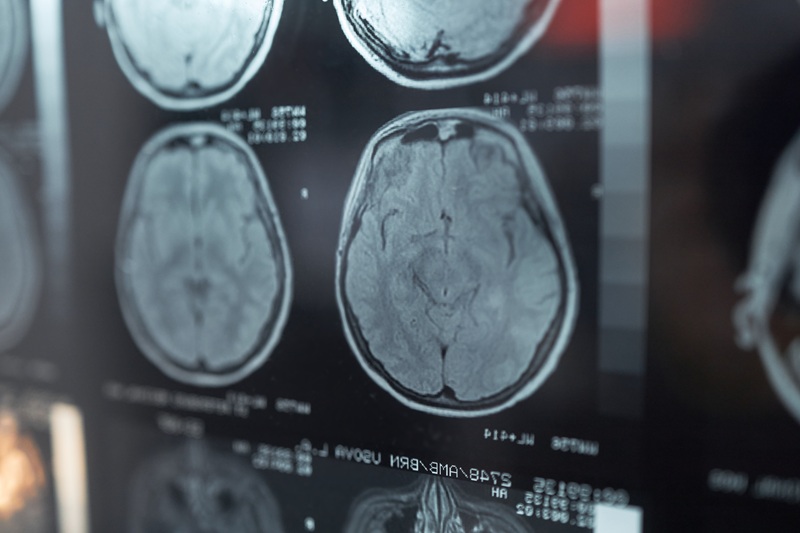
A normal CT scan does not necessarily rule out a traumatic brain injury. While CT imaging is very effective at identifying skull fractures and bleeding, it does not always detect the microscopic damage responsible for persistent symptoms after many concussions and other traumatic brain injuries.
That is why brain injury cases often evolve over time. The full impact of an injury may not become clear until weeks or months after the accident, making continued medical evaluation an important part of both treatment and documenting the true extent of your injuries.
Your Diagnosis Is Only Part of the Story
A concussion, hematoma, or traumatic brain injury can affect your memory, career, relationships, and independence. We build claims around the lasting impact, not just the initial diagnosis.
Treatment depends heavily on the type and severity of the injury. Milder cases may be managed with rest, monitoring, and gradual return to normal activity. More serious injuries often require medication to control seizures or prevent infection, along with treatment aimed at reducing swelling inside the skull. Surgery is common when a hematoma needs to be drained or when a severed blood vessel needs repair.
In the most severe cases, doctors may need to perform a craniectomy, temporarily removing a portion of the skull to relieve dangerous pressure before replacing it once the swelling subsides. Recovery from an injury serious enough to require that kind of surgery is measured in months, not weeks, and often includes extensive rehabilitation. We factor every stage of that recovery timeline into how we value a claim, not just the initial hospital stay.
5.0
"I can not say enough positive things about this firm"
Morris Law Accident Injury Lawyers is by far the best at the beach. They are very knowledgeable, patient, answered all of my questions thoroughly, and made sure all my concerns were addressed. I can not say enough positive things about this firm…
A
Ashley Brown
How We Build Evidence in a Brain Injury Claim
A traumatic brain injury is not always visible from the outside. Symptoms can also change after the initial accident. Building a claim requires documenting both how the injury occurred and how it continues to affect the injured person’s life.
At Morris Law, we work to preserve and analyze evidence that may help establish the injury and its impact, including:
Emergency room and medical records documenting symptoms, diagnoses, treatment, and changes reported over time.
CT scans, MRIs, and other diagnostic testing used by medical providers to evaluate the injury.
Neurological and cognitive evaluations that may document problems with memory, concentration, balance, speech, or other functions.
Witness statements and accident evidence that help establish how the head injury occurred and the forces involved.
Family, friend, or coworker observations that may help document changes in behavior, memory, personality, or everyday functioning after the injury.
Employment and wage records showing missed work, reduced hours, or changes in the person’s ability to perform their job.
Rehabilitation and follow-up records documenting ongoing physical, cognitive, occupational, or other recommended treatment.
Medical opinions about future needs when the injury may require continued treatment, rehabilitation, assistance, or other long-term care.
Brain injury cases can depend on what the medical record shows over time, not simply what was documented immediately after the accident. Our attorneys and support staff follow that evidence throughout the case so important changes in a client’s condition are not overlooked.
Compensation Available in a Myrtle Beach Traumatic Brain Injury Claim
No brain injury attorney can determine the value of a claim during an initial phone call. Every case depends on the severity of the injury, the medical evidence, and how the injury affects a person’s ability to live and work. Because brain injuries can often have lifelong consequences, we evaluate not only today’s losses but also the care and support that may be needed years into the future.
Medical Treatment and Future Care
Brain injury treatment often extends well beyond an emergency room visit. We document diagnostic imaging, hospitalization, surgery, rehabilitation, neurological treatment, medications, cognitive therapy, and any future medical care your physicians believe will be necessary.
Lost Income and Reduced Earning Capacity
Many people with traumatic brain injuries cannot immediately return to work, while others are never able to return to the same occupation. We calculate lost wages, diminished earning capacity, lost employment benefits, and the long-term financial impact the injury has on your career.
Pain, Suffering, and Loss of Quality of Life
A brain injury affects far more than physical health. Chronic headaches, cognitive impairment, depression, anxiety, personality changes, memory loss, and the inability to participate in everyday activities all affect a person’s quality of life. South Carolina law allows injured people to pursue compensation for these non-economic losses in addition to their financial damages.
Wrongful Death Following a Brain Injury
When a traumatic brain injury results in the loss of a loved one, the personal representative of the estate may pursue a wrongful death claim on behalf of surviving family members. These claims can include funeral expenses, medical costs, lost financial support, and the loss of companionship and guidance the deceased would have provided.
We can’t undo what happened to you, but we can help you get past it.
Morris Law Firm,Brain Injury Attorneys
How Insurers Try to Undervalue These Claims
A brain injury claim is expensive to pay out, so insurers invest real effort in disputing one. A common tactic is offering a quick settlement before anyone knows the full scope of the injury. Adjusters also argue that cognitive symptoms stem from something unrelated to the accident, like stress or a prior condition. This argument shows up especially often when the injury was labeled mild.
We counter this by building the medical record early and thoroughly, not waiting until a dispute arises. Every symptom gets tied back to the injury through the physicians actually managing your care. Every offer gets measured against the true, long-term cost of the injury, not the insurer’s opening number.
Don’t Settle Before You Know What’s Ahead
Insurance companies often make early offers before the long-term effects of a brain injury are understood. We help ensure your claim reflects both today’s losses and tomorrow’s needs.
What South Carolina Law Means for Your Brain Injury Claim
South Carolina law establishes important deadlines that affect every personal injury claim, including those involving traumatic brain injuries. While the legal deadline is important, brain injury cases present unique challenges because the full extent of the injury often is not immediately known.
In most cases, South Carolina gives injured people three years to file a personal injury lawsuit under S.C. Code Section 15-3-530. Although that may sound like plenty of time, gathering medical evidence, consulting specialists, and understanding the long-term effects of a brain injury can take months. Beginning the legal process early allows important evidence to be preserved while your medical condition continues to develop.
South Carolina also follows a modified comparative negligence rule. You may recover compensation as long as you are found to be less than 51% responsible for the incident that caused your injury. Any compensation awarded is reduced by your percentage of fault.
Because traumatic brain injuries frequently involve ongoing medical care and evolving symptoms, building a complete picture of the injury often takes time. An early investigation helps preserve evidence while allowing your legal team to work alongside your treating physicians to document how the injury affects your daily life over time.
5.0
"Jeff Morris was great to work with."
Jeff Morris was great to work with. Easy to work with. Made sure I received the best settlement I could get. Thanks Jeff.
J
John Farber
Speak With a Myrtle Beach Brain Injury Attorney at Morris Law Today
A traumatic brain injury can affect every part of your life, from your ability to work and earn a living to your relationships with family and friends. When someone else’s negligence caused that injury, you should not have to manage the legal process alone while also navigating your recovery.
At Morris Law, LLC, we investigate the cause of the injury, preserve critical evidence, work with your medical providers to understand the full extent of your condition, and pursue compensation that reflects both your current losses and your future needs.
We represent brain injury victims on a contingency fee basis, which means there are no upfront attorney’s fees and no legal fees unless we recover compensation for you.
If you or someone you love suffered a traumatic brain injury in Myrtle Beach or anywhere along the Grand Strand, contact Morris Law today to schedule your free consultation. We will listen to your story, answer your questions, explain your legal options, and help you understand the next steps for your case.
The sooner we can begin investigating your case, the sooner we can preserve evidence and begin building a claim that reflects the full impact of your injury.
Talk With a Myrtle Beach Brain Injury Attorney Today
If you or someone you love suffered a traumatic brain injury because of another person’s negligence, Morris Law is ready to investigate your case, preserve critical evidence, and pursue the compensation your recovery requires.
Yes. A normal CT scan does not necessarily rule out a traumatic brain injury. CT scans are useful for identifying problems such as bleeding, swelling, and skull fractures, but some brain injuries may not appear on an initial scan.
If symptoms such as headaches, dizziness, memory problems, confusion, difficulty concentrating, or changes in mood continue after an accident, follow-up medical care can be important. The medical record developed over time may also become significant when documenting a brain injury claim.
Yes. A person does not have to lose consciousness to sustain a traumatic brain injury. Some people remain awake and alert immediately after an accident but develop symptoms later.
Confusion, memory problems, headaches, sensitivity to light or noise, dizziness, sleep changes, and difficulty concentrating can occur even when there was no loss of consciousness. What matters is the medical evaluation and evidence of how the injury has affected you.
Brain injury symptoms may not always be obvious immediately after an accident. Some symptoms develop gradually or become easier to recognize once a person returns to work, school, driving, or other normal activities.
Seek medical attention if you develop new or worsening symptoms after an accident. When pursuing a claim, medical records documenting when symptoms appeared, how they progressed, and what treatment was recommended can help establish the history of the injury.
Brain injury claims can rely on several forms of evidence. Medical records, diagnostic testing, neurological or cognitive evaluations, rehabilitation records, and opinions from treating providers may help document the injury.
Evidence can also show how someone’s life changed after the accident. Family members, coworkers, or friends may notice changes in memory, behavior, concentration, or daily functioning. Employment records can document missed work or difficulty performing the same job. Together, these records can provide a more complete picture than any single test or medical visit.
A brain injury can affect memory, concentration, communication, physical abilities, or other skills needed to work. If those limitations prevent you from returning to your previous position, lost income and reduced future earning capacity may become part of a personal injury claim.
Employment records, medical opinions, wage information, and evidence of your limitations can help document that loss. For a serious or permanent injury, evaluating the financial impact may require looking beyond the wages you have already missed to how the injury could affect your ability to earn income in the future.