

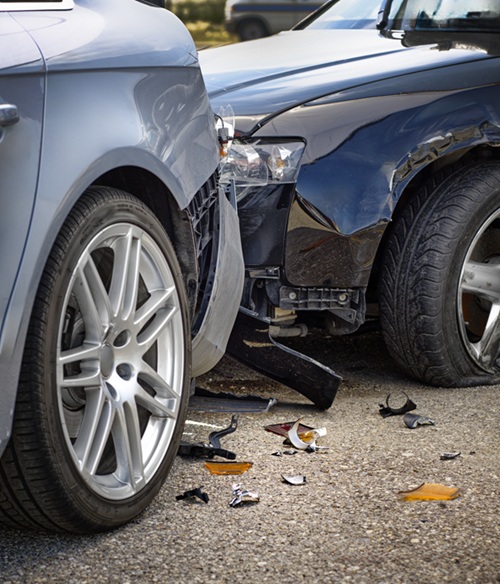
A drunk driving crash may involve responsibility beyond the impaired driver. A bar, restaurant, or other alcohol seller may also face liability when an unlawful sale contributes to someone’s injuries.
These claims are commonly called dram shop claims. They require evidence connecting the seller’s unlawful conduct to the harm, rather than simply showing that the driver drinks before the crash.
Morris Law, LLC investigates potential sources of responsibility when handling car accident injury claims. That investigation may include where alcohol is purchased, the timing of sales, and what employees know about the customer’s condition.
What Is Dram Shop Liability in South Carolina?
Dram shop liability concerns an alcohol seller’s civil responsibility for injuries caused by unlawful alcohol sales. South Carolina recognizes these claims through alcohol-control statutes and court decisions.
Current law prohibits knowing sales to intoxicated customers. Separate provisions restrict sales to people younger than 21. An injured third party may have a claim when evidence establishes an unlawful sale and a causal connection to the injury.
South Carolina’s 2025 legislation changes aspects of alcohol-related liability, with significant provisions effective January 1, 2026. The applicable rules depend on when the claim arises, so older decisions require careful consideration alongside current statutory language.
When Can an Alcohol Seller Be Held Liable?
The legal requirements depend partly on the beverage sold and the circumstances of the transaction. Two situations that may support a claim are:
- Knowing sales to intoxicated customers: S.C. Code § 61-4-580 prohibits beer and wine permit holders from knowingly selling to intoxicated people. The current version of § 61-6-2220 imposes a similar prohibition for liquor sales.
- Sales to customers younger than 21: Section 61-4-50 addresses underage beer and wine sales. Section 61-6-4080 addresses unlawful liquor sales, including sales to underage customers.
For example, employees may knowingly continue selling alcohol to an intoxicated customer who later causes a collision. Receipts, witness accounts, and other evidence may help establish whether those sales contribute to the resulting injuries.
An unlawful sale alone does not prove the entire civil claim. The evidence must also establish causation and legally recoverable losses.

Does a Customer Have to Be Visibly Intoxicated?
Visible symptoms can help establish a seller’s knowledge, but other evidence may also matter. In Hartfield v. The Getaway Lounge & Grill, Inc., the South Carolina Supreme Court rejects visible intoxication as an absolute requirement.
However, that decision predates the 2026 amendments. Its discussion of what a seller knows or reasonably should know requires careful consideration alongside the current statutory language.
Evidence relevant to a seller’s knowledge may include:
- Slurred speech, difficulty walking, or other observed behavior
- The number, timing, and strength of drinks purchased
- Statements about earlier drinking
- Information employees share about the customer
- Surveillance footage and witness accounts
For example, one employee may tell another that a customer is intoxicated. That communication may help establish knowledge even without obvious physical symptoms. Repeated purchases alone do not automatically prove intoxication or the seller’s awareness.
What Evidence Connects Alcohol Sales to a Crash?
An investigation must connect the unlawful sale to the injuries, not merely establish that the driver visits a particular business. Relevant evidence includes:
- Receipts and transaction records: Identify purchases, quantities, and timing.
- Surveillance recordings: May show service, customer behavior, and departure times.
- Employee and customer testimony: Helps explain observations and communications.
- Police reports and testing: Document the crash investigation and evidence of impairment.
- Expert analysis: May help evaluate alcohol consumption, intoxication, and collision causation.
Consider a driver who purchases one drink at a restaurant, then continues drinking at another business before causing a collision. Each establishment’s conduct requires separate evaluation.
A blood alcohol result obtained after the crash does not automatically establish the driver’s condition during an earlier sale. The timing of consumption, test results, and other evidence must be considered together. In Hartfield, expert testimony helps connect alcohol consumption and timing to the circumstances of service.
How Does a Business’s Liability Differ From the Driver’s?
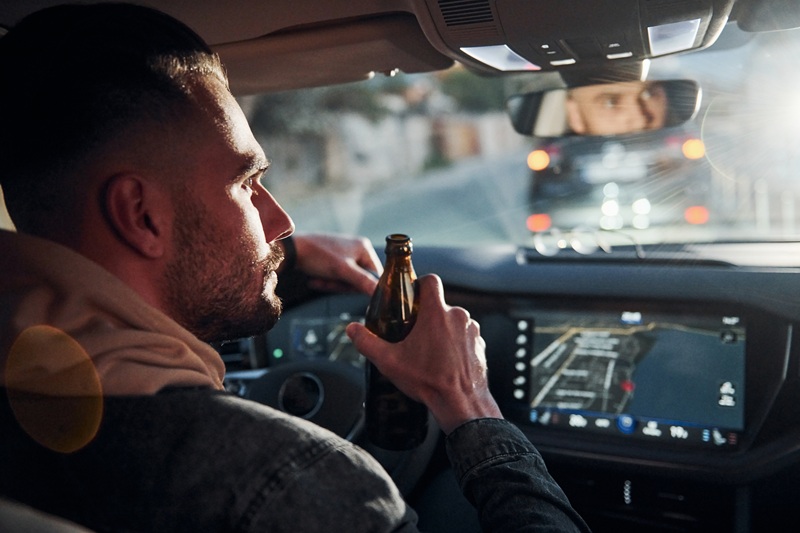
The driver’s responsibility concerns operating the vehicle while impaired or otherwise driving negligently. The business’s potential liability concerns unlawful alcohol sales that contribute to the injuries.
For example, an impaired driver may cross the centerline and strike another vehicle. The driver may face criminal charges and a civil injury claim. A business that unlawfully sells alcohol to that driver may face a separate civil claim arising from the same collision.
How Is Responsibility Shared Under the Updated Law?
South Carolina’s 2026 changes affect how fault and financial responsibility are allocated in alcohol-related cases.
Under S.C. Code § 61-2-147, qualifying DUI defendants must appear on the verdict form when statutory conditions are met. This allows the jury to consider their responsibility alongside the establishment’s conduct.
If a verdict is entered against both a licensee and a defendant charged with a specified DUI offense, another rule applies. The statute makes the licensee jointly and severally liable for 50% of the plaintiff’s actual damages. This concerns payment responsibility; it does not automatically assign the business 50% of the fault.
These provisions generally apply to claims arising or accruing after January 1, 2026. They do not create an automatic equal split between the driver and business.
Can an Intoxicated Customer Sue the Business?
An intoxicated adult’s claim for injuries resulting from their own drinking differs from an injured third party’s claim.
In Tobias v. Sports Club, Inc., the South Carolina Supreme Court rejects an intoxicated adult’s first-party claim based on alcohol-control violations. The decision preserves qualifying claims by injured third parties.
Claims involving underage customers require separate analysis because age-based sales restrictions may create different legal considerations.
What Role Do Training and Insurance Requirements Play?

South Carolina’s updated laws introduce alcohol-server training requirements and revise required insurance coverage for certain businesses.
Under S.C. Code § 61-2-145, covered establishments selling alcohol for on-premises consumption after 5 p.m. generally need $1 million in annual aggregate coverage. Qualifying risk-mitigation measures can reduce that requirement, subject to a $300,000 minimum.
An annual aggregate limit covers the policy period; it does not guarantee that amount for each injured person. Available coverage depends on the policy and applicable requirements.
Training and insurance rules address business compliance and financial protection. An injury claim still requires evidence establishing unlawful conduct, causation, and recoverable damages.
What Compensation May Be Available?
An injured third party may seek compensation when evidence connects unlawful alcohol sales to the accident. Recoverable losses may include:
- Medical treatment, rehabilitation, and reasonably supported future care
- Lost income and reduced earning capacity
- Physical pain, emotional suffering, and lasting limitations
- Vehicle damage and other qualifying financial losses
If the crash causes death, the personal representative may pursue compensation for surviving family members through a wrongful death claim.
The evidence, applicable liability rules, and available insurance affect recovery. Identifying an alcohol seller’s involvement does not automatically establish liability or guarantee additional compensation.
Getting Help After an Alcohol-Related Crash
Determining whether a business shares responsibility requires examining sales records, customer behavior, and the circumstances leading to the collision. Prompt investigation can help preserve footage and other records that may become unavailable.
Morris Law, LLC can investigate potential responsibility beyond the impaired driver and explain how the applicable law affects your claim. Contact our team to discuss your injuries, insurance concerns, and options for pursuing compensation.