


Surgery can have complications even when the medical team provides appropriate care. A poor outcome alone does not necessarily mean a surgical error occurred. However, some events involve preventable mistakes or failures to follow established patient-safety procedures.
Wrong-site surgery, an operation performed on the wrong patient, and the wrong procedure are among the clearest examples. Other potential surgical errors can involve retained items, anesthesia management, surgical technique, or the recognition and treatment of complications after an operation.
For someone considering a medical malpractice claim, the important question is not simply whether something went wrong. The circumstances must be examined to determine what happened, whether the care met the applicable standard, and whether a failure in care caused additional harm.
What Are Wrong-Site, Wrong-Patient, and Wrong-Procedure Surgical Errors?
Wrong-site surgery occurs when a procedure is performed at an incorrect location, such as the wrong limb or side of the body. Wrong-patient surgery involves performing a procedure intended for someone else. Wrong-procedure surgery occurs when the patient undergoes a procedure other than the one intended.
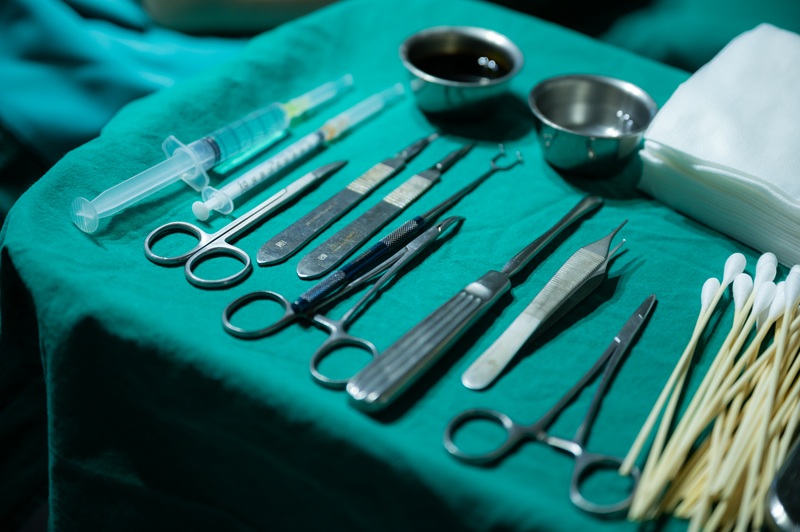
These events are recognized as serious patient-safety failures. The Joint Commission’s Universal Protocol uses several safeguards to help prevent them. These include verifying the patient and procedure before surgery, marking the appropriate surgical site when required, and completing a final time-out immediately before the procedure begins.
During the time-out, immediate members of the procedure team actively confirm at least the patient’s identity, the correct site, and the procedure being performed. Any questions or discrepancies should be resolved before the procedure begins.
A wrong-site or wrong-procedure event does not necessarily result from one person skipping one step. Communication failures, documentation problems, verification errors, and other system or human factors can contribute. AHRQ notes that these events can occur even when the Universal Protocol is followed, which is why determining how an individual error occurred requires examining the circumstances surrounding that procedure.
Retained Surgical Items
A retained surgical item is a sponge, instrument, needle, device fragment, or other surgical item unintentionally left inside a patient after a procedure. These events are rare, but they can cause serious complications and may require another procedure to remove the item.
Surgical teams use multiple safeguards to reduce the risk of leaving an item behind. Depending on the procedure and facility protocols, these may include:
- Standardized surgical counts before, during, and after certain procedures
- Examination of the surgical site before the procedure is completed
- Reconciliation of count discrepancies when an item cannot be accounted for
- Imaging or detection technology when appropriate to help locate a missing item
- Clear communication during staff changes and handoffs so information about counts and surgical items is not lost
A retained item does not necessarily mean someone simply forgot to perform a count. Retained items have occurred even when the final count was reported as correct. Determining how an item was left behind may require reviewing operative reports, count records, imaging, and other documentation from the procedure.
Anesthesia Errors and Complications During Surgery
Anesthesia requires ongoing assessment and monitoring before, during, and after a surgical procedure. Potential errors can involve medication administration, airway management, failure to consider relevant medical information, or inadequate monitoring and response to changes in a patient’s condition.

However, an adverse event involving anesthesia does not automatically indicate malpractice. Some complications can occur even when anesthesia is appropriately administered and monitored. Determining whether an error occurred requires examining the patient’s condition, the anesthesia provided, monitoring records, and how the medical team responded to complications.
One uncommon complication associated with general anesthesia is intraoperative awareness, in which a patient becomes conscious during a procedure and later recalls events that occurred while general anesthesia was intended. The American Society of Anesthesiologists recognizes intraoperative awareness as an important clinical issue and identifies multiple factors that may affect its risk.
Intraoperative awareness by itself does not establish that an anesthesia provider was negligent. If an anesthesia injury raises concerns, the relevant question is whether the care and monitoring met the applicable standard under the circumstances.
Nerve and Organ Injuries During Surgery
Some surgical injuries occur even when the correct procedure is performed at the correct site. Depending on the operation, nearby nerves, organs, blood vessels, or other structures may be at risk of injury.

An injury to one of these structures does not automatically mean the surgeon made an error. Some injuries are recognized complications that can occur despite appropriate surgical care. The question in a potential malpractice case is whether the care met the applicable standard under the circumstances and whether a departure from that standard caused the injury.
Informed consent is related but separate. South Carolina courts recognize a physician’s duty to disclose material risks associated with a procedure, along with other information needed for informed consent. However, a patient’s consent to a known surgical risk does not give a provider permission to perform the procedure negligently.
For example, nerve damage may be a recognized risk of a particular operation. If the injury instead resulted from surgical technique that fell below the applicable standard of care, the fact that nerve damage appeared on a consent form does not by itself resolve the malpractice question.
Failure to Recognize Post-Surgical Complications
Potential surgical negligence is not limited to what happens in the operating room. Appropriate monitoring and response after surgery can also be important to a patient’s recovery.
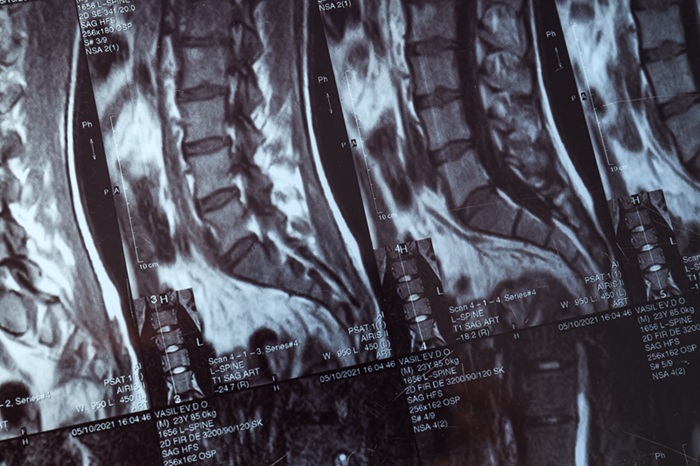
Bleeding, infection, blood clots, and other complications can develop after a procedure without anyone being negligent. The concern arises when signs of a complication are not appropriately recognized, evaluated, or treated.
Depending on the circumstances, warning signs may include changes in vital signs, abnormal laboratory results, worsening pain, changes at the surgical site, or other symptoms that warrant further evaluation. Whether a particular sign should have prompted additional testing or treatment depends on the procedure, the patient’s condition, and the applicable standard of care.
Responsibility for post-surgical care may also involve more than the surgeon. Nurses, covering physicians, specialists, or other healthcare providers may participate in monitoring the patient and responding to complications.
What Does Recent Research Show About Surgical Safety Events?
Wrong-site procedures, wrong-patient procedures, wrong procedures, and retained surgical items continue to appear in malpractice and patient-safety data. However, recent research suggests that reports involving these events have declined over time.

A 2026 study analyzed National Practitioner Data Bank malpractice payment reports through 2025. Researchers found:
- 15,196 reports containing allegation codes associated with these surgical safety events across the full dataset
- An average 4.1% annual decline in the combined number of reports from 2004 through 2025
- A decline from 3.98% to 3.05% in the proportion of eligible physician malpractice payment reports involving these allegation codes
- 442 reports involving patient death from 2004 onward, representing 6.1% of reports during that period
These figures do not represent every surgical error in the United States. The National Practitioner Data Bank tracks malpractice payments, and the researchers noted limitations in using allegation codes to identify these events.
Recent research also suggests that surgical safety failures rarely come down to one factor. A 2026 systematic review identified recurring contributors that included:
- communication failures;
- reduced situational awareness;
- fatigue;
- inadequate staffing;
- inconsistent team composition; and
- increasing surgical workloads.
These findings reinforce why an individual surgical injury requires its own investigation. Operative records, safety procedures, team communications, and expert medical review can provide more useful evidence about what occurred in a particular case.
Recognizing When a Surgical Outcome Deserves a Closer Look

Not every complication after surgery means a medical error occurred. Some complications can happen even when appropriate care is provided, and a difficult recovery alone does not establish malpractice.
However, certain circumstances may raise questions about the care a patient received. An operation on the wrong site, a retained surgical item, an unexpected injury, or a complication that was not appropriately addressed may warrant closer review.
Determining whether negligence occurred often requires more than looking at the outcome alone. Operative reports, nursing and anesthesia records, imaging, surgical safety documentation, and other medical records can help establish what happened before, during, and after the procedure. Expert medical review may also be necessary to evaluate whether the care met the applicable standard.
When a surgical injury results from negligent medical care, the consequences can extend well beyond the original procedure. A patient may face additional treatment, another surgery, lost income, or lasting physical limitations. Morris Law, LLC, can review the circumstances surrounding a serious surgical injury and help determine whether there are grounds for a South Carolina medical malpractice claim.