

Swimming pool injuries can involve more than deep water. Broken gates, slippery decking, damaged ladders, and defective equipment can also put swimmers and visitors at risk.
In South Carolina, responsibility depends on who controls the pool, the visitor’s legal status, and the circumstances of the injury. Public-pool regulations may establish additional safety requirements, including at privately owned hotels and residential communities.
Morris Law, LLC helps injured people evaluate claims involving unsafe property conditions, including hazards at swimming pools. Understanding the applicable duties helps explain when an accident may support a negligence claim.
What Duty Does a Swimming Pool Owner Have?
For business invitees, such as hotel guests using an available pool, owners generally must exercise reasonable care to maintain reasonably safe premises. That responsibility can include reasonable inspections, repairs, and warnings about hazards. Different duties may apply to social guests, trespassers, and children, depending on the circumstances.
Conditions that may require attention include:
- Broken fencing or gates that fail to latch
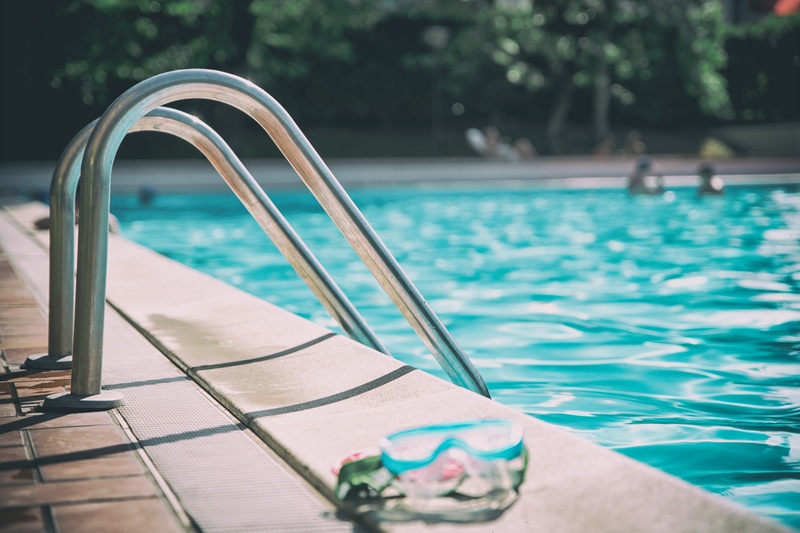
- Damaged ladders, steps, or handrails
- Uneven or deteriorated pool decking
- Missing safety warnings or depth markings
- Unsafe diving areas
- Defective drains or other equipment
- Poor underwater visibility
- Missing or inaccessible emergency equipment
An injury alone does not establish negligence. The evidence must connect an applicable duty, a failure to meet that duty, and the resulting harm. Notice may also matter when the claim involves a hazard the owner does not create.
Which South Carolina Pool Safety Regulations Apply?
The South Carolina Department of Environmental Services administers Regulation 61-51 for public swimming pools. “Public” does not mean only government-owned: covered facilities can include hotel, apartment, and community pools.
Covered pools generally need construction approval and an operating permit. Requirements vary by facility classification, so the same staffing and equipment rules do not apply to every pool.
SCDES uses a 34-point public-pool inspection checklist addressing matters such as:
- Water chemistry, circulation, and filtration
- Required lifesaving equipment
- Safety signs and emergency communication
- Perimeter fencing and gates that close and latch
- Lifeguard coverage where required
- Deck hazards
- Water-testing and treatment records
Inspection findings can help identify safety failures relevant to an accident. However, a violation does not automatically establish every element of a claim. The evidence must also connect the failure to the injury.
Why Pool Fences and Gates Matter
Pool barriers help prevent unauthorized access, particularly by children. South Carolina’s public-pool fencing requirements generally require barriers around covered outdoor pools and their decks. Required heights vary by classification, commonly four or six feet.
Gates and doors must meet applicable closing, latching, and locking requirements. A fence cannot provide adequate protection when a gate stays open, or a damaged section allows access.
After a drowning or nonfatal drowning, relevant questions may include:
- Does the gate close and latch properly?
- Are openings or damaged sections large enough to allow entry?
- Do earlier complaints identify a barrier problem?
- Do maintenance records show inspections and repairs?
When a child enters without permission, that fact alone does not resolve responsibility. The child’s age, access to the pool, and applicable legal duties require separate consideration.
Who Maintains Hotel and Community Pools?
Responsibility often follows control over the pool and the work each party undertakes. Different arrangements may apply:
- Hotels and resorts: Owners or operators may handle inspections, repairs, warnings, and pool safety procedures.
- Apartment complexes: Owners, management companies, and contractors may divide responsibility for equipment and common areas.
- HOA and condominium communities: Governing documents, management agreements, and maintenance contracts may help establish who maintains the pool.
For example, repeated reports of a loose ladder may show that the responsible party knows about a hazard. Inspection logs, repair requests, and communications can help establish whether reasonable action follows.
A contract assigning maintenance work does not automatically settle every question of liability. The investigation must connect each party’s duties and conduct to the condition that causes the injury.

When Can a Wet Pool Deck Become an Unsafe Condition?
Pool decks naturally become wet, so moisture alone does not necessarily establish negligence. The question is whether the surface presents an unreasonable danger under the circumstances.
Potential concerns include:
- Broken or uneven decking
- Algae buildup
- Poor drainage
- Worn or deteriorated slip-resistant surfaces
- Recurring water accumulation from maintenance problems
Ordinary splashing differs from a walkway that repeatedly floods because of a defective drain. Photographs, inspection records, and prior complaints can help establish the condition and the opportunity to address it.
These details may support a claim involving an unsafe walking surface when evidence connects the hazard to the fall.
Are Lifeguards Required at Every Pool?
No. South Carolina’s lifeguard requirements depend on the pool’s classification and applicable rules. Certain facilities must meet staffing requirements, while others operate under approved coverage plans.
State law establishes lifeguard requirements for specified public-pool classifications. The absence of a lifeguard does not automatically establish negligence. Where coverage is required, staffing records, qualifications, and emergency procedures may help determine whether the facility meets its obligations.
Are Vacation Rental Pools Regulated Differently?
According to SCDES guidance on residential rental pools, qualifying single-family rental pools are residential facilities. Their use must remain exclusive to the occupying family and private guests.
These pools are not subject to the same SCDES requirements as regulated public pools. However, offering a residential pool separately to the general public can trigger public-pool permitting and safety requirements.
Residential classification does not eliminate every potential duty. Unsafe equipment, neglected repairs, and known hazards may still raise liability questions under the applicable law.
What Evidence Matters After a Pool Injury?
The most useful evidence depends on how the injury occurs. Gate maintenance records may help explain unauthorized access, while staffing records may address required lifeguard coverage.
Other relevant evidence includes:
- Photographs and video: Document the condition, surrounding area, warnings, and available safety equipment.
- Inspection and maintenance records: Show reported problems, routine checks, repairs, and unresolved work orders.
- Witness accounts and incident reports: Help establish the sequence of events and staff response.
- Pool operation records: Document water testing, treatment, and equipment maintenance.
- Contracts and management agreements: Help identify who controls the area or handles particular maintenance tasks.
SCDES inspection records may also identify compliance concerns at regulated facilities. A prior violation matters most when evidence connects it to the condition involved in the injury.

What Should You Do After a Swimming Pool Injury?
Seek medical attention first, particularly after a nonfatal drowning, suspected head or spinal injury, or loss of consciousness. Call 911 when emergency assistance is needed.
If your condition allows:
- Photograph the hazard and surrounding area.
- Collect witness names and contact information.
- Report the incident to property management.
- Record the names of responding staff.
- Promptly request preservation of relevant surveillance footage.
- Keep treatment records, receipts, and documentation of missed work.
Do not delay treatment or enter an unsafe area to gather evidence. Recordings may be overwritten and equipment repaired, making prompt preservation important.
Understanding Your Options After a Pool Accident
An investigation must connect the injury to a safety failure by a party with an applicable duty. Pool classification, maintenance history, and control over the property can all affect that analysis.
Morris Law, LLC can review the circumstances and explain your options for pursuing compensation. Contact our team to discuss your injuries and questions about responsibility.