

When an insurer totals your car, the settlement generally reflects its market value immediately before the crash. Your loan balance, original purchase price, and the cost of a new replacement do not determine that value. This difference can leave you without enough money to pay off your loan or replace your vehicle.
Morris Law helps injured drivers navigate car accident claims, including questions about property damage settlements and injury compensation. Understanding how insurers calculate your car’s value helps you recognize errors and challenge an offer that overlooks important details.
Total loss decisions are increasingly common. Rising repair costs, complex vehicle technology, and an aging vehicle population contribute to these decisions.
What Is a Total Loss in Car Insurance?

A car is a total loss when repairing it is economically impractical, or its damage meets the applicable legal threshold. Insurers consider the estimated repair cost, the vehicle’s pre-crash value, and what the damaged car could bring as salvage. A vehicle can qualify even when repairs cost less than its full market value.
Under South Carolina’s total loss rules, repair costs generally trigger a total loss designation at 75% of pre-crash fair market value. The statute includes exceptions for certain low-value and antique vehicles. Insurers may also declare a total loss below the 75% threshold.
For example, a car worth $20,000 generally reaches that threshold when estimated repairs total $15,000. A total loss designation also affects the vehicle’s title, which matters if you want to keep it.
How Insurers Value a Totaled Car
Insurers generally base a total loss settlement on actual cash value (ACV), meaning your car’s market value immediately before the crash. Valuation software helps estimate that amount by comparing your vehicle with similar cars and accounting for differences.
The process usually includes these steps:
- Identify comparable vehicles. The valuation report uses sales data or listings for similar vehicles in your area.
- Adjust for vehicle features. Differences in mileage, trim, equipment, and options can increase or decrease the estimated value.
- Evaluate pre-crash condition. Interior wear, existing damage, and other documented conditions may affect the valuation.
- Calculate applicable additions. The insurer determines whether taxes or fees apply under the policy and claim.
- Apply any deductible. Claims through your own collision or comprehensive coverage generally include a deductible.
Ask for the complete valuation report so you can check the information behind the offer. An incorrect trim level or missing equipment can affect the calculation.
Factors That Affect Your Car’s Actual Cash Value
The valuation should account for details specific to your vehicle, including:
- Mileage: Lower or higher mileage compared with similar vehicles.
- Trim and factory options: Features such as a towing package, upgraded audio, or advanced safety equipment.
- Pre-crash condition: Interior wear, exterior condition, and unrelated damage.
- Recent repairs or replacement parts: Documented work that may support the vehicle’s condition or market value.
- Local market prices: What comparable vehicles sell for in the relevant area.

Actual Cash Value vs. What You Owe or Expect
A total loss settlement can leave a financial shortfall even when the valuation is accurate. Your loan balance may exceed your car’s market value, particularly early in the loan. Aftermarket upgrades and recent repairs also may not add as much resale value as you expect.
Keep receipts for new tires, a replacement transmission, and other substantial work. These records may support a better condition assessment or challenge an inaccurate deduction. However, maintenance and repairs do not necessarily increase your car’s value dollar for dollar.
Gap coverage may help when your loan balance exceeds the covered total loss payment. Payment depends on the agreement’s limits, exclusions, and treatment of items such as deductibles or overdue payments. Without applicable coverage, you may still owe the lender after the insurer pays the claim.
What If My Car Is Totaled and I Am Not at Fault?
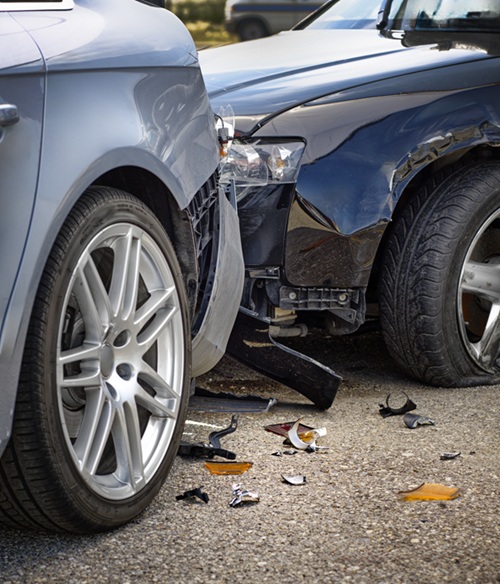
If another driver causes the crash, you generally have two options for pursuing payment for your totaled car. You can file through that driver’s liability insurance or use your own collision coverage, if available.
- The other driver’s insurer: You generally do not pay a deductible, but disputed fault or coverage can delay payment.
- Your own insurer: Collision coverage may provide a faster payment, although your deductible generally applies.
- Deductible recovery: Your insurer may seek reimbursement from the responsible party. Recovering your deductible depends on the outcome.
The other driver’s property damage coverage also has limits. If available coverage cannot cover all the damage, your own collision coverage may help.
Ask about rental payments early. The South Carolina Department of Insurance explains that many insurers pay rental expenses only until they offer a total loss settlement. Disputing the valuation does not necessarily extend those payments. Request the rental cutoff date in writing so you can plan transportation.
How Much Does Insurance Pay for a Totaled Car?
The starting point is generally your car’s actual cash value, with deductions and applicable additions determining the payment. Your deductible usually reduces payment under your own collision or comprehensive coverage. Ask for an itemized settlement showing the vehicle’s value, deductions, and any taxes or fees included.
For example, a $500 deductible reduces a $15,000 valuation to $14,500 before any other applicable adjustments.
If you finance the car, the lender generally receives payment toward the outstanding balance first. You receive any remaining proceeds. If the settlement falls short, you remain responsible for the balance unless applicable gap coverage pays it.
Keeping the damaged car may also be possible, subject to your lender’s requirements and applicable title rules. The insurer generally subtracts its salvage value from your payment. Before choosing this option, consider repair costs, title requirements, and whether you can obtain insurance afterward.
How to Dispute a Total Loss Valuation
You can question an insurer’s valuation and submit evidence supporting a higher amount. Focus on specific errors or missing information rather than the amount you need for a replacement.
- Request the complete valuation report. Ask how the insurer calculates the offer and each adjustment.
- Check your vehicle’s details. Confirm the year, model, trim, mileage, factory options, and pre-crash condition.
- Review comparable vehicles. Flag differences in location, title history, equipment, or condition that make comparisons unreliable.
- Gather your own market evidence. Find nearby listings for genuinely similar vehicles, recognizing that asking prices may differ from sale prices.
- Provide supporting records. Submit photographs, maintenance records, and receipts that document overlooked features or condition.
- Send a written counteroffer. Explain the amount you request and connect it to your evidence.

Some policies include an appraisal clause for valuation disputes with your own insurer. The policy sets the process, which may involve separate appraisers and an umpire if they disagree. Review the costs and whether the resulting decision binds you before proceeding.
Storage charges can continue while you dispute the offer. Ask when the insurer stops paying and arrange a move if necessary. Before authorizing disposal or transferring ownership, preserve photographs and consider whether the vehicle is evidence in an injury claim. Morris Law can help injured clients address evidence concerns before the vehicle becomes unavailable.
Can You Claim Diminished Value After a Total Loss?
Diminished value is the reduction in a vehicle’s market value that remains after crash damage is properly repaired. It generally applies to repaired vehicles because a total loss settlement already accounts for the car’s pre-crash value.
For a repaired vehicle, a claim against the responsible driver may include repair costs and a documented remaining loss in value. You need evidence supporting that loss, such as an appraisal comparing the vehicle’s value before and after the crash.
If your car is totaled, focus on whether the insurer accurately calculates its pre-crash value. A separate diminished-value demand generally does not increase that settlement.

How a Total Loss Settlement Affects Your Injury Claim
Property damage and bodily injury claims are usually handled separately, even when they arise from the same crash. Payment for your totaled car does not compensate you for medical bills, lost income, or pain and suffering.
However, the wording of a settlement release matters. A release intended to resolve only property damage should clearly limit its scope and preserve any bodily injury claim. Signing a broader release could affect your ability to pursue injury compensation. Morris Law helps injured clients review settlement terms before signing away potential claims.
Under S.C. Code § 15-3-530, the general deadline for a vehicle damage lawsuit is three years. Personal injury lawsuits also generally carry a three-year deadline, although exceptions can change the time available. Insurance negotiations generally do not pause these deadlines.
Fault disputes can affect both claims. For example, determining who is at fault in a rear-end collision may require more than identifying which vehicle strikes the other.
Get Help Protecting Your Claim After a Total Loss
A totaled car can leave you managing transportation costs, loan payments, and insurance paperwork while recovering from injuries. Reviewing the valuation report and documenting errors gives you a stronger basis to challenge an inadequate offer.
When the car crash also causes injuries, the settlement terms deserve just as much attention as the vehicle’s value. Morris Law, LLC, advocates for injured drivers across South Carolina. Contact our team to discuss your injuries, insurance concerns, and next steps before signing a settlement release.