

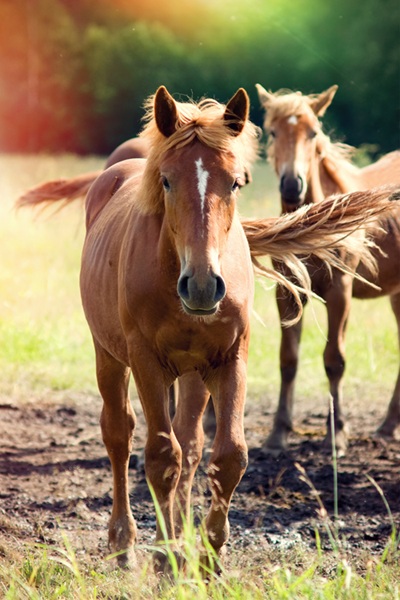
Aiken has been horse country since the late 1800s, when wealthy northern families began wintering in the area and helped establish an equestrian tradition that continues today. Training tracks, boarding stables, show grounds, and equestrian events remain an important part of the community.
When someone is injured while riding, training, handling, or participating in another equestrian activity, liability depends heavily on how the injury occurred. South Carolina law recognizes that working with horses carries certain inherent risks, which can limit when another person or business is legally responsible. Those protections are not absolute, however, and circumstances involving unsafe equipment, known hazards, or certain negligent conduct can change the liability analysis. In a community with as much equestrian activity as Aiken, understanding where that line falls is particularly important.
Equestrian injury liability can involve injuries to riders, horse handlers, spectators, employees, and other people who are hurt during or around horse-related activities. Claims may arise from riding lessons, training sessions, horse shows, boarding operations, trail rides, or simply handling a horse on someone else’s property. The underlying issue is whether the injury resulted from an inherent risk of being around horses or from an act or condition for which another party may be legally responsible.
For example, liability questions can arise when someone provides faulty tack or equipment, fails to disclose a known dangerous condition, improperly matches a rider with a horse, or creates an unsafe condition on the property. South Carolina law treats some of these situations differently from the ordinary risks associated with riding or handling horses.
Who was injured matters as well. A paying rider, spectator, stable employee, or other visitor may not have the same legal rights after an accident. Depending on the circumstances, a claim could involve South Carolina’s equine liability law, ordinary personal injury principles, premises liability, or workers’ compensation.
South Carolina Equine Liability Protections and Their Limits
South Carolina’s equine liability law generally protects an “equine activity sponsor” or “equine professional” from liability when a participant is injured because of an inherent risk of equine activity. Under S.C. Code Section 47-9-720, those risks can include a horse behaving unpredictably, reacting to sudden movement or unfamiliar objects, or colliding with another animal or object.
That protection has limits. Liability may still arise if an equine professional provides faulty equipment or tack, fails to make reasonable efforts to match a participant’s abilities with a horse, fails to warn about certain known or reasonably knowable dangerous conditions, or acts with willful or wanton disregard for a participant’s safety.
South Carolina law also requires equine professionals and activity sponsors to display a specific warning notice at covered facilities and include the notice in certain contracts. Failing to comply with those requirements prevents the sponsor or professional from claiming the immunity provided by the statute. For someone injured during an equestrian activity, how the accident happened and whether the facility or professional followed these requirements can both become important.
Keep In Mind
A horse acting unpredictably may be an inherent risk. Defective tack, broken fencing, or another preventable hazard may be a liability issue.
When a Stable or Boarding Facility May Be Responsible
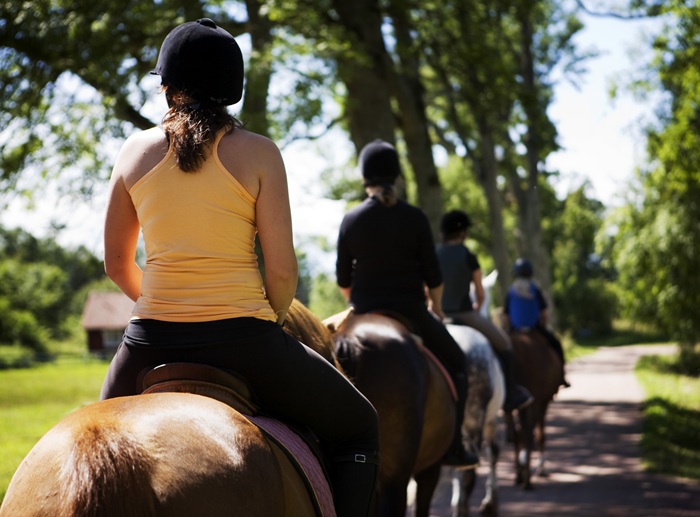
Trail riding through Hitchcock Woods, Aiken’s 2,100-acre equestrian preserve, generally falls within the kind of inherent-risk activity the equine statute was written to cover. A horse spooking at wildlife on one of the preserve’s 70 miles of trails is the type of unpredictable behavior the law treats as a normal part of riding.
Facility-side negligence is a different matter. A worn cross-tie that snaps and startles a horse, a stall door with a broken latch, rotted flooring in an aisle, or fencing that was reported as damaged and never repaired can all point toward ordinary negligence rather than an inherent risk. The difference generally comes down to whether the harm flowed from the horse behaving like a horse, or from a condition the facility should have fixed.
- Tack or equipment provided by the facility that was defective or poorly maintained
- Ground or footing hazards in an arena, wash rack, or barn aisle
- Fencing, gates, or stall hardware in disrepair
- A horse with a documented history of dangerous behavior that was not disclosed to the rider
The presence of one of these conditions does not automatically make a facility liable for an injury. It can, however, raise questions about whether the accident resulted from an unavoidable risk of equestrian activity or a hazard that could reasonably have been addressed beforehand.
How Horse-Related Injuries Commonly Happen
Horse-related injuries are not limited to riders falling from the saddle. They can happen while mounting, grooming, leading, feeding, loading, or simply working around a horse on the ground. Common injury scenarios include:
- Falling or being thrown from a horse
- Being kicked or stepped on
- Being pinned between a horse and a stall wall, trailer, or fence
- Being pulled or dragged while leading or handling a horse
- Being injured during mounting, jumping, or other riding activities
National emergency department data illustrates how frequently these accidents occur. Research using the National Electronic Injury Surveillance System estimated an average of roughly 65,600 horse-related emergency department visits each year between 1990 and 2017, with falls accounting for a substantial share of injuries.
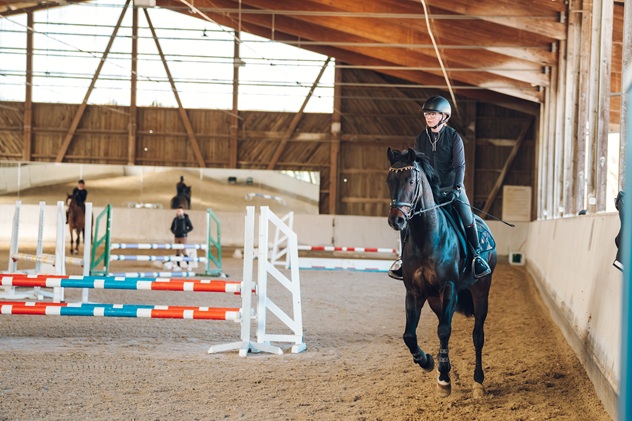
The severity can also vary considerably. Head and neck injuries are among the more serious outcomes associated with equestrian accidents, but riders and handlers can also suffer fractures, spinal injuries, internal injuries, and significant soft-tissue damage. How the injury occurred matters not only medically but also when determining whether it resulted from an inherent risk of working with horses or from a preventable hazard.
Liability at Aiken’s Equestrian Events and Show Grounds
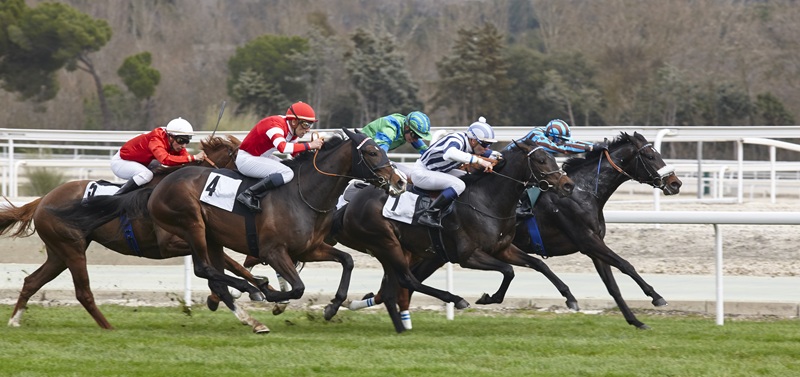
Aiken hosts a full calendar of equestrian events, from the annual Aiken Horse Show in Hitchcock Woods to steeplechase races and polo matches that draw large spectator crowds. With riders, horses, event staff, vendors, and spectators sharing the same grounds, an injury does not always fit neatly into the same liability rules that apply during a riding lesson or training session.
A spectator injured by a loose horse near a rail, parking area, or tailgate section presents a different situation from a rider who falls after a horse suddenly spooks. Whether South Carolina’s equine liability protections apply depends on the circumstances of the accident and the person’s involvement in the equine activity. If the injury falls outside those protections, questions about crowd control, barriers, property conditions, or other safety measures may instead be evaluated under ordinary negligence or premises liability principles.
For that reason, where the person was, what they were doing, and what caused the injury can matter as much as the fact that a horse was involved.
When Stable Employees Are Injured on the Job
Grooms, trainers, barn managers, and other stable employees face many of the same risks as riders, but an injury that occurs while performing job duties can raise a different set of legal issues. An employee who is kicked while leading a horse, injured while lifting tack or feed, or hurt in a fall while working at the barn may be eligible for benefits through South Carolina’s workers’ compensation system.
Workers’ compensation generally focuses on whether the injury arose out of and occurred in the course of employment rather than whether someone else caused the accident. Depending on the circumstances, benefits may help cover medical treatment and a portion of lost wages while the employee is unable to work. Horse-related workplaces may be unusual, but many of the same workers’ compensation principles that apply to other South Carolina employees also apply to eligible stable and equestrian workers.

Injuries Are Part of the Risk, but Not Always the Whole Story
Anyone who spends time around horses knows that accidents can happen even when everyone does everything right. A horse can spook, a rider can fall, and an experienced handler can get hurt in a matter of seconds. That reality is part of why South Carolina law gives equestrian activities certain protections.
But “horses are unpredictable” does not explain every accident. Sometimes there is more to what happened, and it is worth looking at the circumstances before assuming an injury was simply part of the risk of riding or working around horses.
For someone injured at an Aiken stable, show, training facility, or other equestrian setting, that is the important question to ask. The fact that an activity involves horses may affect liability, but it should not end the conversation before anyone looks closely at what actually caused the injury.