

South Carolina does not follow the traditional “one-bite rule” for dog attacks. An injured person generally does not have to prove that the dog previously attacked someone or that its owner knew the dog was dangerous.
Instead, state law imposes strict liability in many situations where a dog bites or otherwise attacks someone. However, a South Carolina dog bite claim still depends on the circumstances, including where the attack occurred and whether a statutory exception applies.
Understanding these requirements can help an injured person determine how South Carolina’s strict liability law may apply after a dog attack.
South Carolina does not require a dog to have bitten someone before. An owner can face statutory liability even without prior knowledge that the dog was dangerous.
How Does South Carolina’s Strict Liability Law Work?
Under South Carolina Code § 47-3-110, a dog’s owner or a person having the dog in their care or keeping can be liable for damages when the dog bites or otherwise attacks someone. The person attacked must be in a public place or lawfully in a private place.
Unlike a negligence claim, liability against the dog’s owner under this statute does not depend on proving that the owner knew the dog was dangerous. The South Carolina Supreme Court has explained that, for an owner’s liability under § 47-3-110, general negligence and fault principles do not control the statutory claim.
Generally, the statutory claim requires showing that:
- The defendant owned the dog or had the dog in their care or keeping;
- The dog bit or otherwise attacked the injured person; and
- The injured person was in a public place or lawfully in a private place.
The statute does contain important limitations and exceptions, including provisions involving provocation and qualifying law-enforcement dogs. Those circumstances can affect whether strict liability under § 47-3-110 applies.
| Situation | How § 47-3-110 May Apply |
| Bitten in a public place without qualifying provocation | Strict liability may apply |
| Bitten on private property while lawfully present | Strict liability may apply |
| Injured during a non-bite dog attack | May qualify because the statute covers people “bitten or otherwise attacked” |
| Provoked or harassed the dog, causing the attack | Statutory provocation exception may apply |
| Trespassing on private property when attacked | Generally does not satisfy the statute’s lawful-presence requirement |
| Attacked by a law-enforcement dog | Exception applies only when all statutory requirements are satisfied |
Does South Carolina’s Dog Bite Law Cover Non-Bite Injuries?
South Carolina’s statute is not limited to injuries caused by a dog’s teeth. Section 47-3-110 applies when a person is “bitten or otherwise attacked” by a dog.
That language can be important when an attack causes an injury without a traditional bite wound. For example, someone may suffer a fracture or head injury while trying to avoid an attacking dog or after being knocked to the ground.
Whether a particular non-bite incident qualifies as an “attack” under the statute depends on the facts. However, the statutory language makes clear that the absence of a puncture wound does not automatically place an injury outside South Carolina’s dog-attack law.
What Is the Provocation Exception?
South Carolina’s strict liability statute does not apply when the injured person provoked or harassed the dog, and that provocation was the proximate cause of the attack.
This requirement is more specific than simply asking whether the person interacted with the dog before the attack. The alleged provocation or harassment must also have been the proximate cause of what followed.
Whether that exception applies can depend heavily on the circumstances surrounding the incident. What the person did, how the dog responded, and the sequence of events may all become relevant when provocation is disputed.
When Does the Law-Enforcement-Dog Exception Apply?
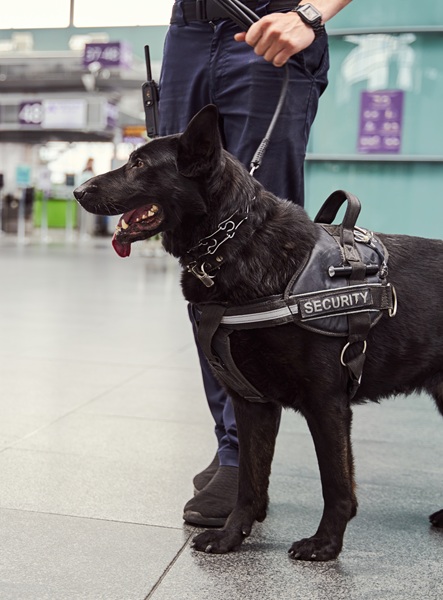
South Carolina law also contains a specific exception for dogs working in an official law-enforcement capacity. The exception applies only when the statutory conditions are satisfied.
Under § 47-3-110, those conditions include:
- The attack complies directly and completely with a lawful command from a duly certified canine officer.
- The dog is properly trained and certified under applicable state standards.
- The governmental agency has a written policy governing the appropriate use of law-enforcement dogs.
- The handler and dog comply with that policy.
- The handler’s and dog’s actions do not constitute excessive force.
- The person attacked is not a third-party bystander.
If these requirements are not satisfied, the specific law-enforcement exception in § 47-3-110(B)(2) may not apply. That does not necessarily establish liability, however. Claims involving law-enforcement agencies can raise additional legal issues beyond the dog-attack statute.
What Does “Lawfully in a Private Place” Mean?
South Carolina’s strict liability statute applies when someone is attacked in a public place or while lawfully in a private place. This requirement is part of the statutory claim itself, rather than a separate defense or exception.
Under § 47-3-110, a person can be lawfully on private property when they are there by the express or implied invitation of:

- the property owner;
- a lawful tenant; or
- another lawful resident of the property.
The statute also covers someone who is on the property performing certain duties imposed by state, local, or federal law. It specifically references federal postal regulations, making a postal worker performing their duties an example of someone who may be lawfully present.
A person who is trespassing generally does not satisfy this statutory requirement. However, whether someone was lawfully present can depend on the particular circumstances and should not always be assumed from the location alone.
Can Someone Other Than the Dog Owner Be Liable?
South Carolina’s dog-attack statute applies not only to a dog’s owner. It can also apply to someone who has the dog in their “care or keeping” when the attack occurs.

That does not automatically make a landlord or property manager responsible for a tenant’s dog. South Carolina courts have generally rejected landlord liability based merely on property ownership, lease provisions, or knowledge that a tenant keeps a dog.
In Harris v. Anderson County Sheriff’s Office, the South Carolina Court of Appeals discussed earlier state precedent involving injuries caused by tenants’ dogs. The court noted that even knowledge of a dog’s viciousness and an ability to terminate a lease did not necessarily create liability when the landlord lacked control over the dog itself.
Other people may still need to be considered depending on who actually owned, kept, cared for, or controlled the dog and the circumstances surrounding the attack. Determining the proper defendant can therefore require looking beyond who owned the property where the incident occurred.
What Compensation May Be Available After a Dog Attack?
A serious dog attack can cause physical injuries, emotional harm, scarring, and financial losses. When a claim is successful, recoverable damages depend on the injuries and losses caused by the attack.
Depending on the circumstances, compensation may address:
- Medical expenses, including emergency care, surgery, follow-up treatment, and rehabilitation
- Lost income when injuries prevent someone from working
- Pain and suffering associated with the physical and emotional effects of the attack
- Scarring or disfigurement, which can be significant after facial or other severe bite injuries
- Future losses when an injury requires ongoing treatment or affects the person’s ability to work
The value of a claim depends on the individual circumstances. Strict liability under the dog-attack statute does not establish how much compensation an injured person will receive.
Strict liability does not mean every dog attack automatically results in compensation. Lawful presence, provocation, who owned or kept the dog, and other circumstances can affect whether the statute applies.
How Long Do You Have to File a Dog Bite Claim in South Carolina?

South Carolina generally provides a three-year limitations period for an action based on a statutory liability or personal injury. However, the exact deadline can depend on the circumstances of the claim.
Different rules can apply when the injured person is a minor. South Carolina law generally excludes a period of minority when calculating certain civil filing deadlines, subject to statutory limitations and exceptions.
Because missing an applicable deadline can prevent a claim from proceeding, an injured person should not assume that every case has exactly three years to act.
Understanding Your Rights After a South Carolina Dog Attack
South Carolina’s strict liability law removes one hurdle that exists under traditional dog-bite rules. An injured person generally does not have to prove that the owner knew the dog was dangerous or that the dog attacked someone before.
That does not mean every dog-related injury results in liability. Where the attack occurred, whether the injured person was lawfully present, who owned or kept the dog, and whether a statutory exception applies can all affect the claim.

The injuries themselves also matter. Dog attacks can result in puncture wounds, fractures, infections, nerve damage, scarring, or other lasting effects. Medical records, photographs, witness information, and details about the circumstances of the attack can help document what happened and the harm that followed.
If a dog attack causes serious injuries, Morris Law, LLC, can evaluate how South Carolina’s dog-attack statute applies and what options may be available for pursuing compensation.