

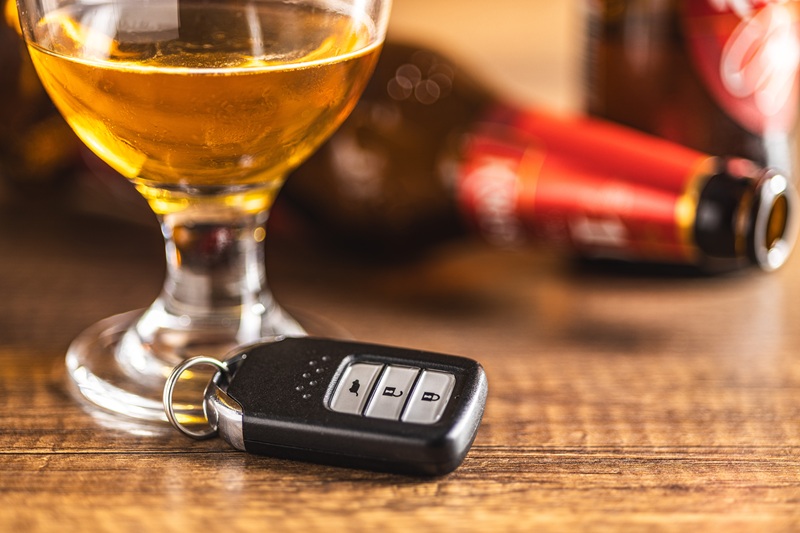
A suspected drunk driving crash can lead to criminal charges and a separate civil injury claim. The criminal case concerns violations of state law. The civil claim concerns responsibility for the collision and compensation for the resulting harm.
You generally do not need to wait for a DUI conviction to pursue a civil claim in South Carolina. Evidence from the criminal investigation may help, but an arrest alone does not establish civil liability.
An attorney can help injured people pursue compensation after a car accident, including collisions involving suspected impaired drivers. Understanding the different proceedings can help you make informed decisions while the criminal case remains pending.
How Does a Criminal DUI Case Differ From a Civil Claim?
The proceedings involve different parties, purposes, and proof requirements:
| Issue | Criminal DUI case | Civil injury claim |
| Who brings it? | The government prosecutes the driver. | The injured person pursues the responsible party. |
| Main purpose | Determine criminal guilt and impose penalties. | Establish liability and compensate qualifying losses. |
| Usual proof standard | Beyond a reasonable doubt. | Preponderance of the evidence for negligence. |
| Possible outcome | Fines, incarceration, license consequences, or other penalties. | Settlement or judgment for recoverable damages. |
Under S.C. Code § 56-5-2930, DUI involves alcohol, drugs, or both materially and appreciably impairing driving ability. Section 56-5-2933 separately addresses driving with an unlawful alcohol concentration of 0.08% or higher.
A civil negligence claim generally requires showing that the driver’s conduct more likely than not causes the injuries. Punitive damages involve a separate, higher proof standard.
For example, an impaired driver may run a red light and strike another vehicle. Prosecutors must establish the criminal offense. The injured person’s civil claim must establish responsibility for the crash and the resulting losses.
Can You Pursue Compensation Without a DUI Conviction?
Yes. A conviction is generally not required to pursue a civil injury claim. An acquittal, dismissed charge, or decision not to prosecute does not necessarily prevent recovery under the different civil proof standard.
For example, a procedural issue may exclude a breath test from the criminal case. Witness accounts, footage, and evidence of unsafe driving may still support a civil claim, subject to applicable evidence rules.
The question remains whether the available evidence establishes negligent conduct, causation, and recoverable losses.
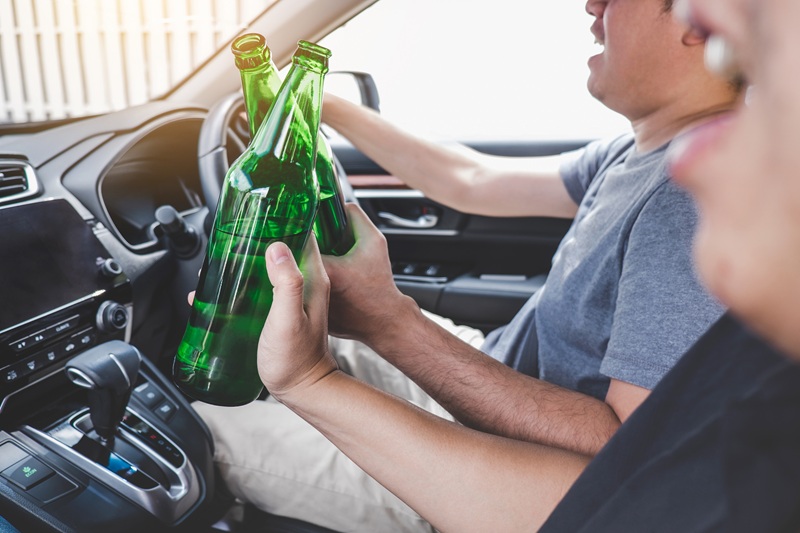
How Can a DUI Investigation Support an Injury Claim?
A criminal investigation may uncover information useful to establishing civil liability. Relevant materials can include:
- Officer observations: Driving behavior, apparent impairment, and conditions at the scene.
- Alcohol testing records: Breath or blood results and information about how testing occurs.
- Video recordings: Dash camera, body camera, or surveillance footage.
- Witness accounts: Observations of the driver’s actions before and during the collision.
- Physical evidence: Photographs, vehicle damage, and reconstruction findings.
- Statements and court records: Driver statements, qualifying admissions, and relevant criminal proceedings.
These materials may help an investigation, but they are not automatically admissible in civil court.
Evidence of drinking or impairment also does not, by itself, establish responsibility for the crash. An impaired driver may be struck by someone who runs a stop sign. The impaired driver’s criminal conduct does not automatically make them responsible for that collision.
By contrast, footage showing an impaired driver crossing the centerline may help connect their conduct to the injuries. That causal connection remains essential.

Can Pending Charges Delay a Civil Claim?
Criminal and civil proceedings may involve the same witnesses and evidence, creating practical complications. The accused driver may invoke the Fifth Amendment when answers could expose them to criminal liability.
A court may consider delaying particular civil proceedings to address those concerns. However, pending DUI charges do not automatically suspend the civil lawsuit.
The investigation can also affect settlement discussions. Toxicology results, reconstruction findings, or witness testimony may change how an insurer evaluates responsibility. Waiting for that information does not automatically extend civil filing deadlines or require postponing every aspect of the claim.
What Compensation May Be Available?

A civil claim addresses losses caused by the collision. Depending on the evidence, compensation may include:
- Medical treatment, rehabilitation, and reasonably supported future care
- Lost income and reduced earning capacity
- Physical pain, emotional suffering, and lasting limitations
- Vehicle damage and other qualifying financial losses
Criminal fines do not compensate the injured person. A conviction also does not guarantee payment; insurance coverage and other financial considerations can affect recovery.
Can Punitive Damages Apply?
Punitive damages punish and deter particularly wrongful conduct rather than reimburse specific losses. Under S.C. Code § 15-32-520, they require clear and convincing evidence that willful, wanton, or reckless conduct causes the harm.
This standard is higher than the preponderance standard generally used to prove negligence. Punitive damages are not automatic after a DUI crash. Section 15-32-530 establishes applicable limits and exceptions.
What If the Collision Causes Serious Injury or Death?
S.C. Code § 56-5-2945 addresses felony DUI involving great bodily injury or death. It requires impaired driving plus an unlawful act or failure to perform a legal duty that proximately causes that harm.
A felony prosecution may proceed alongside a civil injury claim. After a fatal collision, the deceased person’s personal representative may pursue compensation for surviving family members through a wrongful death action.
The criminal charge and civil claim remain separate, even when both concern the same injuries or death.
Does a Pending Criminal Case Extend the Civil Filing Deadline?
A pending DUI prosecution generally does not pause the civil filing deadline. Waiting for a verdict can therefore put an injury claim at risk.
Under S.C. Code § 15-3-530, many personal injury lawsuits carry a three-year deadline, subject to accrual rules and exceptions. Wrongful death claims generally have a three-year period beginning at death. Different rules may apply in special circumstances, including claims involving government entities.
A civil claim can require timely action even while prosecutors continue investigating or preparing the criminal case.

Getting Help While the Criminal Case Is Pending
You do not need a criminal verdict before asking about your options for compensation. Preserving evidence and addressing civil deadlines can begin while DUI charges remain unresolved.
Morris Law, LLC helps injured people navigate claims after serious vehicle collisions. Contact our team to discuss your injuries, available evidence, and how the criminal proceedings may affect your claim.