

Electric bicycles and electric scooters may look similar, but South Carolina law does not classify them the same way. The state specifically defines qualifying electric-assist bicycles, while stand-up electric scooters do not fit as neatly into one statewide category.
Those differences can affect which traffic rules apply and what becomes relevant after a bicycle or e-bike accident. For scooters, riders may also need to consider local ordinances where the device is being operated.
How Does South Carolina Define an Electric Bicycle?
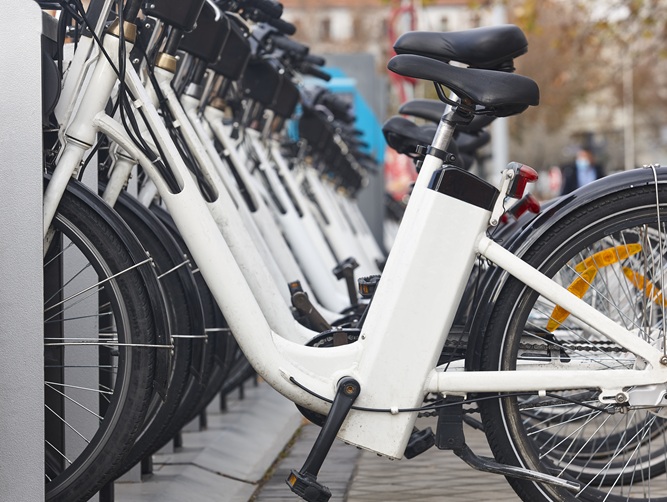
Under South Carolina Code § 56-1-10, an electric-assist bicycle must have two or three wheels, fully operable pedals, and an electric motor of no more than 750 watts, or one horsepower.
The statute also requires a top motor-powered speed of less than 20 mph when tested under the conditions specified by the law. The motor must disengage or stop functioning when the brakes are applied or the rider stops pedaling. Qualifying electric-assist bicycles are expressly excluded from South Carolina’s definition of a moped.
South Carolina also requires manufacturers and distributors to permanently label qualifying e-bikes with their wattage and maximum electrically assisted speed. Owners and riders cannot remove or tamper with that label.
Under South Carolina Code § 56-5-3520, riders of qualifying electric-assist bicycles are subject to the statutory provisions applicable to bicyclists.
A device that falls outside South Carolina’s definition should not automatically be treated as a qualifying electric-assist bicycle simply because it is marketed as an “e-bike.” Its specifications and features may require a closer look at how South Carolina law classifies it.
Does South Carolina Use the Class 1, 2, and 3 E-Bike System?
No. Although many states use Class 1, Class 2, and Class 3 designations for electric bicycles, South Carolina’s current statutes do not use that three-class system.
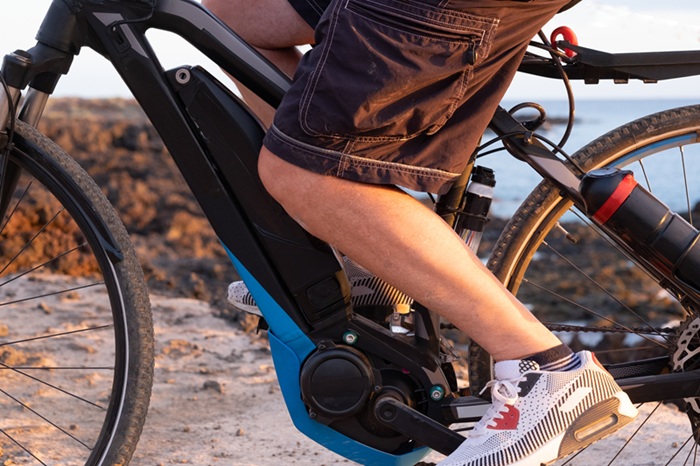
Instead, South Carolina Code § 56-1-10 establishes a single definition for an “electric-assist bicycle.” Among other requirements, the bicycle must have fully operable pedals, a motor of no more than 750 watts, and a motor-powered speed of less than 20 mph under the conditions specified by the statute.
This can create confusion with e-bikes marketed under classifications used elsewhere. For example, a bicycle commonly marketed as a “Class 3” e-bike may provide electric assistance at speeds up to 28 mph. A device with those capabilities may fall outside South Carolina’s statutory definition of an electric-assist bicycle.
That does not automatically make the device a moped. South Carolina separately defines mopeds and other motor vehicles, so the device’s motor, speed capability, pedals, and other specifications may need to be considered before determining which rules apply.
Classification can also become relevant after a crash. Whether the device legally qualifies as an electric-assist bicycle may affect the traffic laws that apply to the rider. Insurance questions depend on the circumstances and applicable policies rather than the e-bike label alone.
How Does South Carolina Law Treat Electric Scooters?
Stand-up electric scooters do not fit as neatly into South Carolina’s statewide transportation laws as qualifying electric-assist bicycles.
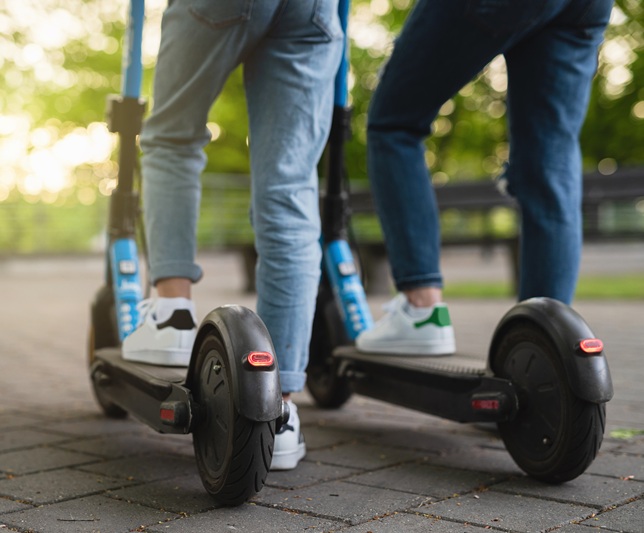
South Carolina does define an electric personal assistive mobility device, or EPAMD. However, that definition applies to a self-balancing device with two nontandem wheels and a maximum speed below 20 mph under specified conditions. A typical stand-up electric scooter with wheels positioned front-to-back does not neatly match that definition.
As a result, riders may need to consider both state vehicle laws and local ordinances when determining where and how a particular scooter can be operated. Municipal rules can also differ.
For example, Hilton Head Island has specifically addressed motorized scooters in its local traffic rules. Town materials classify motor scooters as motor vehicles and restrict motor vehicles from public pathways, while qualifying electric-assist bicycles are treated separately.
The practical takeaway is that riders should not assume an e-scooter follows the same rules as a qualifying e-bike. The device itself and the rules in effect where it is being ridden can both affect what is permitted.
Why Local E-Scooter Rules Matter in Myrtle Beach
Myrtle Beach illustrates why e-scooter riders need to consider local rules in addition to South Carolina law. The city can regulate where different types of motorized devices may operate, particularly in heavily traveled pedestrian and tourist areas.
For example, the City of Myrtle Beach’s current beach regulations prohibit motorized vehicles from operating on the public beach except for essential vehicles. The city’s rules also restrict where bicycles and other wheeled devices can be used on the beach during certain times of year.
Roadways, sidewalks, bike lanes, the Boardwalk, and the public beach are not necessarily governed by the same rules. Riders should therefore check the current city ordinance for the specific location where they intend to use an e-scooter.

For someone injured in an e-scooter crash, location can also become relevant to the claim. Determining whether a rider or driver violated an applicable rule may require identifying exactly where the collision occurred and which ordinance was in effect at the time.
How E-Bike and E-Scooter Laws Can Affect an Injury Claim

The rules that apply to an e-bike or e-scooter can become relevant when determining fault after a crash. For a qualifying electric-assist bicycle, South Carolina’s statewide bicycle laws provide an important baseline for evaluating the rider’s conduct.
E-scooter claims can require additional analysis. Depending on the device and location of the crash, state vehicle laws and local ordinances may both need to be considered. A rule governing scooter use in one municipality may not apply in another.
A violation does not necessarily determine fault for the entire collision. Investigators and insurers may also consider the actions of other drivers, where the crash occurred, traffic conditions, and other available evidence. South Carolina’s comparative negligence rules can become relevant when more than one person contributed to the accident.
Know Which Rules Apply to the Device
South Carolina gives qualifying electric-assist bicycles a specific statutory definition and generally subjects their riders to bicycle laws. Stand-up e-scooters do not fit as neatly within that framework, making the device’s characteristics and applicable local rules particularly important.
After a crash, identifying the device is therefore an important first step. Its motor, speed capability, pedals, design, and other specifications can help determine how South Carolina law classifies it. For an e-scooter, the location of the crash may also determine which local rules apply.
Morris Law, LLC, can review the device, location, and circumstances surrounding an e-bike or e-scooter accident to determine which laws may be relevant to an injury claim.