

A business is not automatically responsible when someone commits a crime on its property. In South Carolina, however, a property owner may be liable when criminal activity was reasonably foreseeable, and the owner failed to take reasonable security measures under the circumstances. This type of premises liability case is known as a negligent security claim.
Unlike a typical premises liability case involving a physical hazard, negligent security involves harm caused by a third party’s criminal actions. The property owner is not being held responsible for committing the crime. Instead, the question is whether there were reasons to recognize the risk beforehand and whether reasonable precautions could have been taken to protect customers, tenants, guests, or others lawfully on the property.
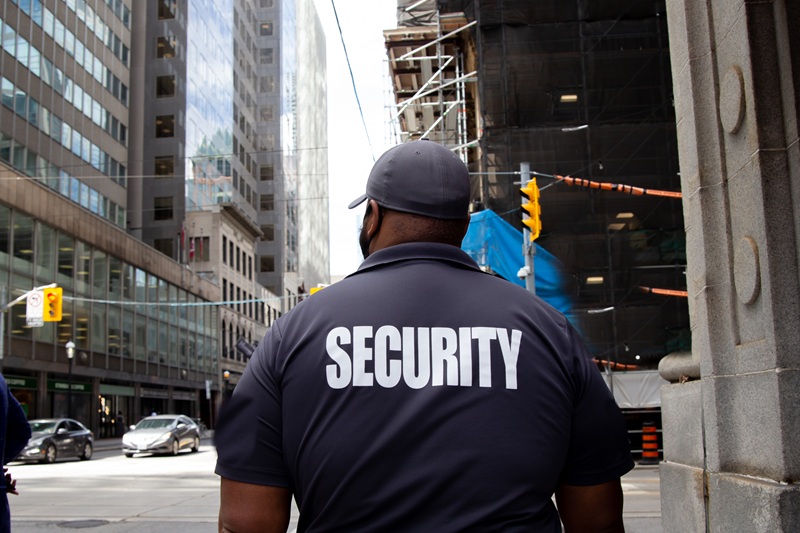
Prior crimes, repeated disturbances, known security problems, and conditions on or around the property can all become relevant when answering those questions. A crime occurring on the premises is not enough on its own to establish liability; what the business knew or reasonably should have anticipated before it happened can be much more important.
How Foreseeability Affects Negligent Security Claims in South Carolina
South Carolina courts use a balancing approach when deciding whether a business had a duty to protect someone from criminal activity. In Bass v. Gopal, Inc., the South Carolina Supreme Court explained that courts must weigh the foreseeability of the harm against the burden of requiring the business to take precautions. The more foreseeable the risk, the more reasonable it may be to expect a property owner to take steps to address it.
Foreseeability does not depend on one factor alone. Prior criminal activity can be important, but South Carolina courts may also consider the nature, location, and condition of the business along with other circumstances surrounding the risk.
Did You Know?
South Carolina lawmakers have considered changing how negligent security claims are evaluated.
What Can Make Criminal Activity Foreseeable?
The question is whether there were enough warning signs that a reasonable property owner should have recognized the risk. Depending on the circumstances, relevant information may include:
- Prior crimes or disturbances on the property
- Criminal activity in the surrounding area
- Complaints from tenants, customers, guests, or employees about recurring safety concerns
- Previous threats, fights, or other incidents involving the same people or location
- The type of business and when and how the property is typically used
- Security problems the owner knew about but had not addressed
None of these factors automatically makes a later crime foreseeable. A completely unexpected attack may give a business little or no reason to anticipate what happened, while a history of incidents or known safety concerns can present a very different situation. The facts leading up to the crime are what help establish whether the business had a duty to take additional precautions.

How Negligent Security Can Look at Different Properties
What counts as reasonable security depends partly on the property and how it is used. An apartment complex, hotel, bar, and shopping center do not necessarily face the same security concerns or require the same precautions. Prior incidents, known problems, hours of operation, access to the property, and the people regularly using the space can all affect what measures are reasonable.
For example, a premises liability claim involving a hotel may raise questions about guest access, exterior doors, parking areas, or whether reported security problems were addressed. At a bar or nightclub, prior fights or disturbances may make staffing and crowd control more relevant. A premises liability case involving a shopping center could instead focus on conditions in a parking lot where previous safety concerns had been reported.
Security Problems That May Become Relevant

When there were already reasons to anticipate a safety problem, the condition and operation of the property can become important. Examples may include:
- Broken or insufficient lighting in parking lots, stairwells, or entryways
- Locks, gates, or access controls that were reported broken and not repaired
- Security cameras that were not functioning as expected
- Inadequate security staffing when prior incidents indicated additional precautions may have been warranted
- Overgrown landscaping or other obstructions that significantly reduced visibility around entrances and walkways
The presence of one of these conditions does not establish negligent security by itself. What matters is how the condition relates to the risk the business knew or reasonably should have anticipated and whether addressing it could reasonably have reduced that risk.
A third-party security company may also become part of the analysis when a business hires one to patrol or monitor the property. Its responsibilities would depend on the services it agreed to provide and whether its own actions contributed to the circumstances surrounding the injury.
Property Owner Liability for Crime Does Not Require a Criminal Conviction
A negligent security claim generally does not depend on the person who committed the crime being identified, arrested, or convicted. The civil claim against the property owner focuses on the owner’s own conduct and can proceed separately from any criminal case involving the attacker.
Changes made to the property afterward also have to be treated carefully. Under South Carolina’s rules of evidence, subsequent security improvements generally cannot be used simply to prove that the business was negligent before the incident. The more relevant evidence usually comes from what existed beforehand, including prior incident reports, complaints, maintenance records, security practices, and the condition of the property at the time.
Evidence That Can Matter in a Negligent Security Claim
Negligent security claims often depend on records that can help establish what the property owner knew, what security measures were in place, and whether there had been problems before the crime occurred. Relevant evidence may include:
- Police call logs and incident reports for the property and surrounding area
- Maintenance and repair records showing whether lighting, locks, gates, or other security features had been reported as damaged
- Security company contracts and staffing schedules for the relevant time period
- Available surveillance footage from the property or nearby businesses
- Witness statements from tenants, employees, customers, or others familiar with previous safety concerns
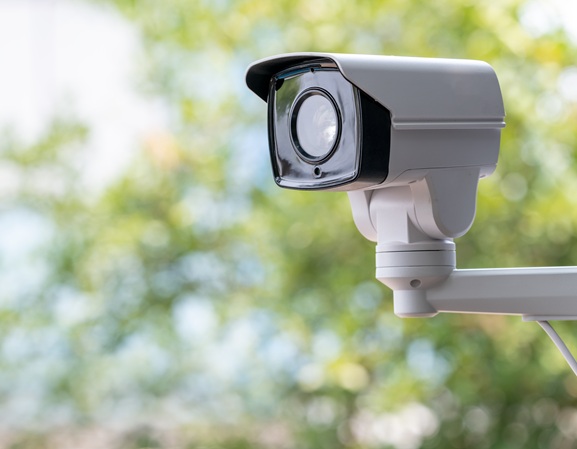
Surveillance footage can be especially time-sensitive because some commercial systems automatically overwrite older recordings. Preserving available footage early can prevent potentially useful evidence from disappearing before the circumstances surrounding the incident are fully investigated.
Looking Beyond the Crime Itself
After a crime occurs on someone else’s property, attention naturally focuses on the person who committed it. A negligent security claim asks a different question: what was happening at the property before the crime ever took place?
That may mean looking at previous police calls, recurring disturbances, complaints about broken locks or lighting, security practices, and other information available to the property owner beforehand. Sometimes that history shows there was little reason to anticipate what happened. In other cases, it may reveal warning signs that existed well before someone was injured.
That history can become important in a broader personal injury claim because the occurrence of a crime does not, by itself, establish negligent security. The surrounding circumstances help determine whether the risk was reasonably foreseeable and whether the property owner responded reasonably to what was known at the time.