

A dangerous condition does not automatically make a property owner responsible for a fall. A key question is whether the owner knows about the hazard or should reasonably discover it before someone gets hurt.
This concept, called notice, helps determine whether the evidence supports a slip and fall claim. Evidence that the property owner or an employee created the danger can also provide a basis for liability.
Understanding notice helps explain why the events before a fall matter alongside the injuries that follow.
What Does Notice Mean in a Slip and Fall Case?
Notice concerns a property owner’s knowledge of a dangerous condition, either through direct awareness or circumstances requiring reasonable discovery.
Consider a puddle on a grocery store floor. Evidence that someone slips on the water may explain the fall, but it does not necessarily establish the store’s negligence. An investigation may also examine:

- Where the water comes from
- Whether an employee creates or observes the spill
- How long the water remains on the floor
- Whether anyone reports the hazard
- When staff last inspect or clean the area
- Whether a known, recurring problem causes the water to collect
These facts help establish actual notice, constructive notice, or whether the business creates the hazard. Each provides a different way to evaluate the store’s responsibility.
What Is Actual Notice?
Actual notice means the responsible party knows the dangerous condition exists. That knowledge may come from:
- A customer reporting a spill to an employee
- A manager receiving a complaint about broken stairs
- An employee observing water leaking from equipment
- A maintenance request identifying a hazardous condition
- Staff discussions about a specific, continuing problem
For example, a restaurant employee acknowledges a customer’s report of a spilled drink but leaves it unattended without a warning. Another customer then slips. The report and acknowledgment may help establish that the restaurant knows about the hazard before the fall.
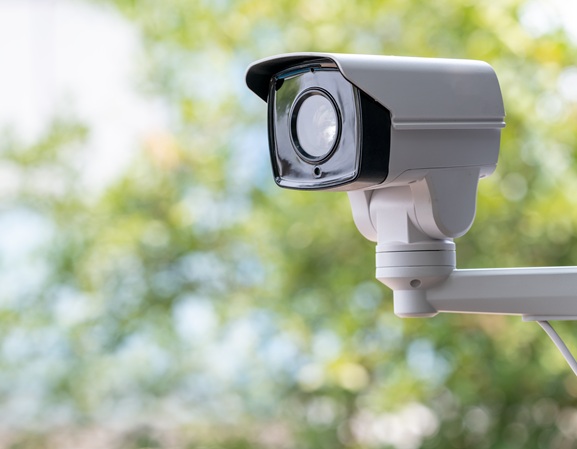
Witness accounts, maintenance requests, internal messages, and surveillance footage can help document that knowledge. The investigation must also consider whether the business has a reasonable opportunity to respond and what precautions it takes.
What Is Constructive Notice?
Constructive notice means a property owner should reasonably discover a hazard through ordinary care, even without direct knowledge of it. For spills or debris, evidence may show that the condition remained long enough for the business to discover and address it.
For example, surveillance footage may show a leaking container while employees repeatedly pass through the aisle before someone falls. That footage can help establish an opportunity to discover the spill, even without an employee admitting awareness.
Evidence supporting a property owner’s responsibility for a fall may include:
- Duration: How long the hazard exists before the injury
- Visibility: Whether the condition is reasonably noticeable
- Location: Whether employees regularly work in or pass through the area
- Inspection records: When staff check the area and what those checks involve
South Carolina does not use a fixed number of minutes that automatically establishes constructive notice. A spill appearing seconds before a fall differs from one left unattended for an extended period. The evidence must support a reasonable inference of notice, rather than speculation about when the hazard appears.
Can a Recurring Hazard Establish Notice?
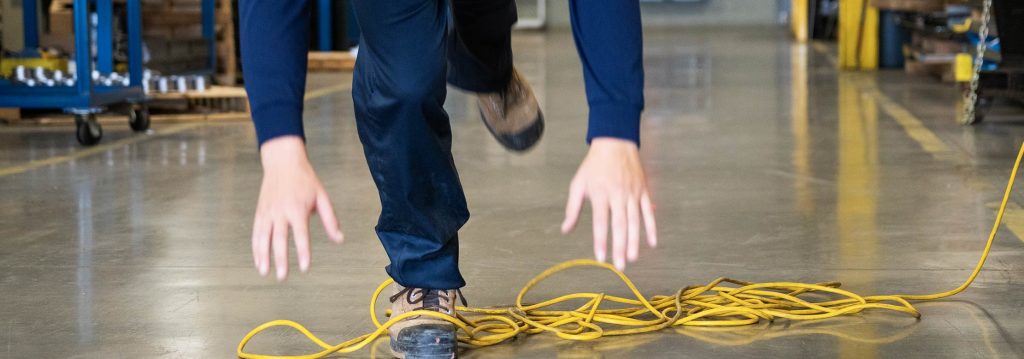
A recurring problem may support notice when additional evidence connects it to the condition that causes the fall. In Wintersteen v. Food Lion, the South Carolina Supreme Court explains that recurrence alone is insufficient. However, a continuing condition combined with evidence such as employee knowledge may support constructive notice.
A known roof leak that repeatedly creates puddles may present different circumstances from an isolated customer spill. Prior complaints, repair requests, and employee observations can help establish that the owner knows about the continuing problem.
The possibility that spills sometimes occur does not, by itself, establish notice of the particular hazard.
What If the Property Owner Creates the Hazard?
When a property owner or employee creates the dangerous condition, separate proof of notice may not be necessary. The investigation instead examines the conduct that creates the hazard and whether it causes the injury.
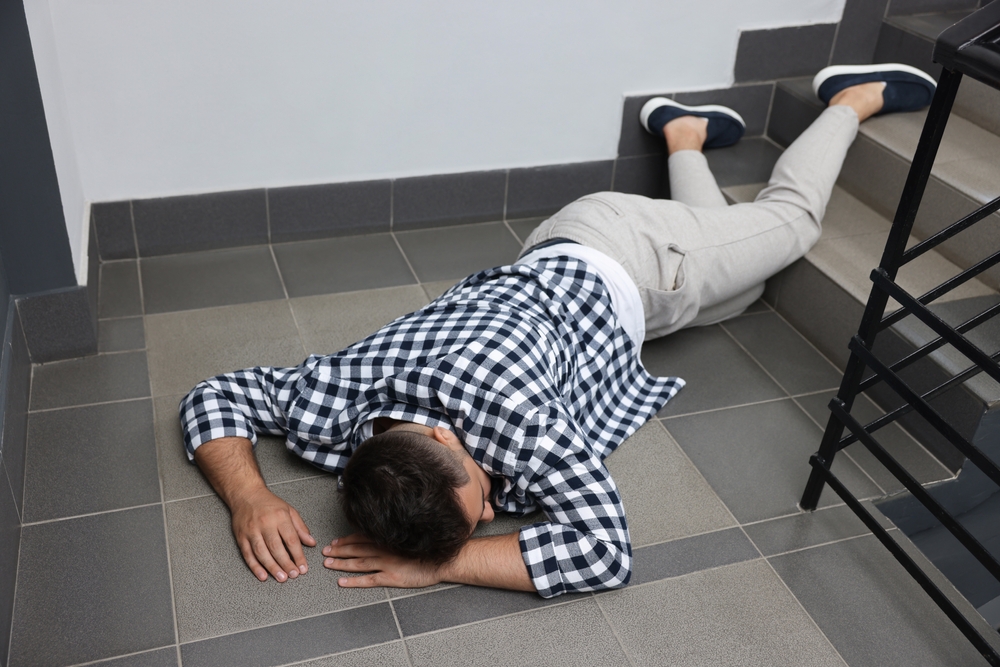
For example, an employee may mop a tile floor and leave it slippery without warning approaching customers. Other examples include placing merchandise in a walkway or leaving equipment where customers can trip.
Evidence connecting the defendant’s actions to the danger can help establish responsibility for an unsafe property condition. However, creating the condition does not automatically establish every element of a negligence claim.
What Evidence Can Prove Notice?
Proving notice often requires reconstructing events before the fall. Different records can reveal when a hazard appears, who knows about it, and what action follows.
Useful evidence includes:
- Surveillance footage: May show the hazard’s source, employee activity, inspections, and the time before the fall.
- Inspection and cleaning logs: Document when staff check or clean an area.
- Maintenance records and prior complaints: May establish awareness of leaks, damaged flooring, or other continuing problems.
- Witness statements: Can identify earlier observations, reports to employees, or attempts to address the danger.
- Photographs and incident reports: Help document the condition, surrounding area, and accounts of the accident.
- Internal communications and employee schedules: May identify who receives a complaint or works near the hazard.
Comparing these sources can strengthen the timeline. An inspection log may record a recent check, while footage reveals whether that check occurred and whether the hazard is visible.
Surveillance recordings deserve prompt attention because systems may overwrite them. Spills, debris, and damaged equipment may also disappear during cleanup or repairs.
What If Nobody Knows How Long the Hazard Exists?
Missing timing evidence can make constructive notice difficult to establish. Suppose someone slips on a grape, but no witness or recording shows when it reaches the floor. Its presence explains the fall without necessarily showing that the store has an opportunity to discover it.
Other evidence may still establish actual notice, a qualifying continuing condition, or that an employee creates the hazard. However, a claim cannot rely solely on speculation about how long the danger exists.
Determining whether the evidence supports a claim after a fall therefore requires examining more than the condition found after the accident.

How a Timeline Helps Establish Notice
A timeline can connect the hazard’s appearance with opportunities to discover and address it. Consider this hypothetical example:
- 2:10 p.m.: A container begins leaking.
- 2:17 p.m.: An employee passes the spill.
- 2:22 p.m.: A customer reports the hazard to staff.
- 2:28 p.m.: The spill remains without cleanup or a warning sign.
- 2:31 p.m.: Someone slips and suffers an injury.
The customer’s report may establish actual notice. Earlier footage may also support constructive notice, depending on the spill’s visibility and surrounding circumstances. An employee passing nearby does not, by itself, prove awareness.
Compare this with a bottle breaking seconds before someone falls. The hazards may look similar, but the business has very different opportunities to respond. No particular interval automatically establishes negligence.
What Should You Do After a Slip and Fall?
Prioritize medical attention. If your condition allows, take these steps to preserve information about the fall:
- Photograph the hazard and surrounding area before cleanup.
- Collect contact information from witnesses, especially anyone who observed the condition earlier.
- Report the accident to the property owner or manager.
- Record the names of responding employees and what they say about the hazard.
- Promptly request preservation of relevant surveillance footage, including recordings from before the fall.
- Keep medical records, receipts, and documentation of missed work.
Avoid putting yourself at further risk to collect evidence. Photographs and witness information can help an investigation even when you cannot access inspection logs or internal records yourself.
Understanding Whether the Evidence Supports a Claim
The condition that causes a fall is only part of the investigation. What the business knows, what reasonable care should reveal, or whether its employees create the danger can affect responsibility.
Morris Law, LLC can review the circumstances and investigate evidence relevant to notice. Contact our team to discuss your injuries and whether you have grounds to pursue compensation.