

A loaded tractor-trailer can weigh many times more than a passenger car. That difference leaves people in smaller vehicles especially vulnerable to severe injuries when a collision occurs.
The Insurance Institute for Highway Safety reports that 5,340 people died in large truck crashes in 2024. Passenger vehicle occupants account for 62% of those deaths, compared with 17% for truck occupants.
For survivors, serious injuries can mean lengthy treatment, lost income, and permanent changes to daily life. Morris Law, LLC, helps injured people pursue truck accident claims that account for these immediate and lasting losses.
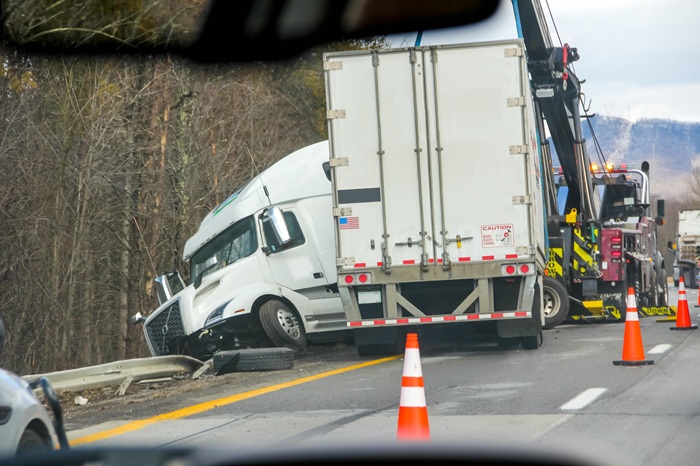
How Truck Size and Weight Increase Injury Risk
Truck accident injuries are often more severe because of differences in vehicle weight, height, and braking capability. In a collision, occupants of the smaller vehicle can experience violent movement and substantial damage to their passenger compartment.
Speed adds to the danger. A heavier vehicle carries more kinetic energy at the same speed, and that energy increases sharply as speed rises. Seat belts, airbags, and crumple zones offer protection, but severe impacts and cabin intrusion can overwhelm those safeguards.
What Makes a Collision More Dangerous?
Several physical differences help explain why collisions involving large trucks can cause especially serious injuries.
Weight and Momentum
A heavy truck has more momentum than a passenger car traveling at the same speed. During a collision, the smaller vehicle generally experiences a greater change in speed, placing its occupants under substantial physical stress.
This sudden movement can injure the head, neck, spine, and internal organs. Crushing or intrusion into the passenger compartment creates additional risks, even when occupants wear seat belts.

Braking Distance
According to IIHS, loaded tractor-trailers require approximately 20% to 40% more stopping distance than cars. Wet or slippery roads and poorly maintained brakes can widen that difference.
The extra distance can leave a truck driver unable to avoid a collision when traffic slows unexpectedly. Inadequate following distance also reduces the opportunity to brake before impact.
Ride Height and Underride Crashes
Large trucks have greater ground clearance than passenger vehicles. During an underride crash, a smaller vehicle travels beneath the truck’s trailer, potentially exposing its occupants to direct intrusion.
The trailer can strike the windshield or roof area instead of engaging the car’s main crash-absorbing structures. This can compromise occupant protection and cause severe head or upper-body injuries.

How These Injuries Affect Recovery
These crashes can cause several injuries at once, complicating treatment and extending recovery. Some injuries heal with medical care and rehabilitation. Others cause permanent limitations that change how someone works, moves, or manages daily activities.
Injuries may include:
- Broken bones: Fractures in the arms, legs, ribs, or pelvis may require surgery, restricted activity, and physical therapy.
- Neck and back injuries: Herniated discs and other spinal injuries can cause persistent pain and limit movement or lifting.
- Traumatic brain injuries: A violent jolt can injure the brain without a direct blow to the head. Symptoms may include headaches, memory problems, mood changes, and difficulty concentrating.
- Spinal cord damage: These injuries may cause paralysis, weakness, reduced sensation, or changes in bladder and bowel control.
- Internal bleeding and organ damage: Serious internal injuries can occur without obvious external wounds and require emergency treatment.
- Deep cuts and burns: These injuries may require specialized wound care, skin grafts, or additional procedures to address scarring.
- Crush injuries and amputations: Severe damage to a limb may require amputation, followed by rehabilitation, prosthetic care, and ongoing support.
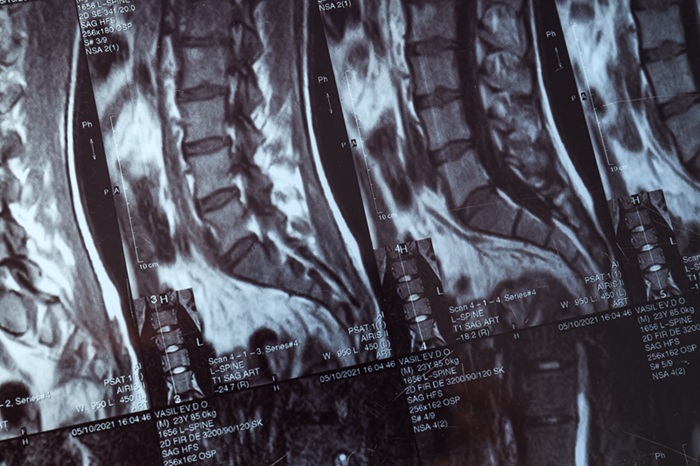
Some injuries are not immediately apparent. Concussion symptoms, for example, may take hours or days to develop. Prompt medical evaluation helps identify injuries and establish a treatment plan. Medical records also document how the crash affects your health and daily functioning.
The consequences can extend well beyond the hospital stay. Someone with multiple fractures may need help bathing, dressing, or traveling to appointments. A person with lasting cognitive or mobility limitations may need ongoing care, home modifications, or a different occupation.
When pursuing compensation for traumatic brain injuries and other serious crash injuries, the claim should account for documented long-term losses alongside the bills you already face.
The Possible Long-Term Effects
Recovery can continue long after someone leaves the hospital. Lasting effects may include:
- Additional surgeries, therapy, medication, and specialist care
- Reduced work hours or an inability to return to a previous job
- Home modifications, mobility equipment, or accessible transportation
- Chronic pain that disrupts sleep and daily activities
- Anxiety, depression, or post-traumatic stress
- Caregiving responsibilities that affect family members’ schedules and income
These effects may develop gradually, making future needs difficult to estimate early in recovery. Medical assessments and employment records help document losses beyond the initial treatment bills.

How Lasting Injuries Affect Compensation
An injury claim may include medical expenses, lost income, reduced earning capacity, pain and suffering, and necessary ongoing care. The amount depends on the evidence, responsibility for the crash, and available coverage.
Commercial insurance limits can exceed personal auto coverage, but serious injuries may still create costs beyond those limits. A settlement should therefore receive careful review, particularly while treatment continues or future care needs remain uncertain.
Evidence also matters. Truck data, driver logs, and maintenance records can help explain the collision, but some records have limited retention periods. Preserving them promptly helps support a later claim.
Moving Forward After a Serious Collision
After a severe crash, medical care and recovery take priority. Keeping treatment records and documenting changes in your daily life can also help establish the injury’s lasting effects.
If you have questions about your recovery or an insurance offer, Morris Law can explain your options after a truck collision. Contact our team to discuss your circumstances before signing a settlement release.