I appreciate all that Morris Law Accident Injury Lawyers did for me.
I appreciate all that Morris Law Accident Injury Lawyers did for me. Very friendly, professional, and knowledgeable staff that helped during a difficult time.
Lindsey Rogers
5.0
The staff at The Morris Law Accident Injury Lawyers firm has been great.
The staff at The Morris Law Accident Injury Lawyers firm has been great. I had many questions leading up to my decision on which law firm to use. My experience with everyone I had contact with was positive. They have multiple offices around the state of South Carolina. Highly recommend reaching on to Jeff and his staff if you made need a great lawyer. He has a whole team of professionals waiting to help you.
Workers’ Compensation Case Involving a Motor Vehicle Accident
$2,700,000
Motorcycle Accident Construction Zone, Contractors Held Liable
$675,000
Motor Vehicle Accident in Georgetown County
$675,000
Auto Accident Settlement With A Recommended Back Surgery
$675,000
Car Accident Settlement: DUI With A Broken Leg
$725,000
Pedestrian Vs Auto With Neck Injury
$2,000,000
Pedestrian Vs Auto With Neck Injury
$458,630.32
MVA Settlement
Get Your Free Case Evaluation
Fill out the form below and we’ll contact you within 24 hours.
"*" indicates required fields
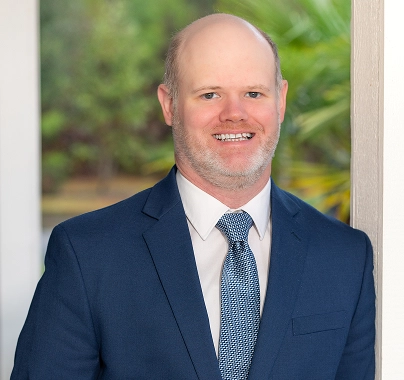
Legally Reviewed By Jeff Morris
Last Update:
Table of Contents
Do You Need a Personal Injury Lawyer in Myrtle Beach?
A serious injury can leave you dealing with medical treatment, missed work, insurance companies, and questions about what comes next. You should not have to manage an injury claim on your own while trying to recover.
At Morris Law, LLC, injured people are treated as people, not case numbers. Our team handles the legal and insurance issues surrounding your claim while keeping you informed throughout the process. If you have been injured or lost a loved one because of someone else’s negligence, we can investigate what happened, explain your options, and pursue the compensation available under South Carolina law.
“Contact the Myrtle Beach personal injury attorneys at Morris Law, LLC, today for a free, no-obligation consultation. We can evaluate your claim, explain your legal options, and determine the best path forward for you and your loved ones.”
Many personal injury lawyers in Myrtle Beach promise client service. But at Morris Law, we deliver on that promise. Our firm will do everything possible to secure the settlement or court verdict you deserve. In South Carolina, a majority of personal injury cases are resolved without the need of the Court. However, the injury attorneys at Morris Law have extensive experience litigating personal injury cases in the court system and requesting a verdict from the judge or jury.
Injured In An Accident
Speak with our South Carolina Personal Injury Lawyers Today
Get the compensation you deserve. No fees unless we win for you. Available 24/7. Speak to an attorney now.
At Morris Law, LLC, we want our clients to have a name and be a person, not just a number in a folder on a shelf. If you call us about an injury, you can speak with a lawyer about your case that same day.
Our attorneys and support staff work as a team throughout your case. We understand how important medical records and other evidence can be to an injury claim, and we handle those details carefully while keeping you informed about your case.
Our goal is straightforward: provide injured people and their families with strong representation, responsive service, and the best result we can achieve as efficiently as possible.
Results for Myrtle Beach-Area Injury Clients
Our results also demonstrate the types of serious injury cases Morris Law handles for people in Myrtle Beach and surrounding communities. Recent results include:
Every case depends on its own facts and circumstances, and past results do not guarantee a particular outcome. These cases provide examples of how Morris Law has represented injured people facing auto accidents, nursing home injuries, and other serious claims in the Myrtle Beach area.
When you need help after a serious injury, Morris Law, LLC is ready to listen to what happened, answer your questions, and explain your legal options.
Tip
Filing your personal injury lawsuit early helps preserve valuable evidence needed to support your claim. Don’t leave your recovery to chance.
Our Skilled Attorneys Are Ready To Help You. Our Job Is To Help You Understand Your Options.
We don’t just represent South Carolinians—we’re your neighbors. We live here, drive the same roads, and care about the communities we serve. Let us help you.
Myrtle Beach only has a population of 37,100 as of the latest census. However, the area experiences a lot of tourist and visitor traffic, particularly during the summer months. The South Carolina Department of Public Safety publishes accident statistics for Horry County and the Myrtle Beach area. In the most recently reported year:
A total of 9,459 traffic accidents occurred in Horry County.
Of those, 150 resulted in serious injuries, and 56 involved fatalities.
Horry County reported 258 motorcycle accidents, resulting in 97 minor injuries, 48 serious injuries, and 9 fatal injuries.
97 total pedestrian accidents were reported that injured 60 and killed 12.
52 bicycle accidents occurred in Horry County, injuring 28 people, but thankfully, there were no fatalities.
Horry County and the Myrtle Beach area rank third in the state for injury-causing accidents and fourth for fatal accidents overall.
What Types of Personal Injury Cases Does Morris Law Handle in Myrtle Beach?
Personal injury claims can arise from many types of accidents and negligence. Morris Law, LLC represents injured people and families in Myrtle Beach across a range of serious injury cases. The right type of claim depends on how the injury happened, who was responsible, and the losses that resulted.
Vehicle and Transportation Accidents
Myrtle Beach’s roads and waterways can expose residents and visitors to several types of transportation accidents. Morris Law handles claims involving:
Car Accidents — Collisions can cause fractures, back and neck injuries, and other serious harm.
Truck Accidents — Commercial vehicle crashes can result in severe injuries and claims involving multiple potentially responsible parties.
Motorcycle Accidents — Without the protection of an enclosed vehicle, motorcyclists can suffer significant injuries in a collision.
Rideshare Accidents — Uber, Lyft, and other rideshare crashes can raise additional questions about insurance coverage and liability.
Boating and Watercraft Accidents — Collisions, unsafe operation, and other incidents involving boats or personal watercraft can cause serious or fatal injuries.
Injuries on Properties
Property owners and businesses may have responsibilities when dangerous conditions put visitors at risk. These cases can include:
Slip and Fall Accidents — Wet floors, uneven walking surfaces, poor maintenance, and other hazards can cause serious falls.
Premises Liability — Premises claims can involve unsafe property conditions beyond traditional slip and fall accidents.
Dog Bites and Animal Attacks — Dog bites and other animal-related injuries may raise questions about an owner’s responsibility and the circumstances in which the attack occurred.
Medical Negligence and Nursing Home Injuries
Some personal injury claims arise because a healthcare provider or care facility fails to provide appropriate care. Morris Law handles matters involving:
Medical Malpractice — Claims may involve diagnostic errors, treatment mistakes, surgical errors, medication errors, and other forms of medical negligence.
Nursing Home Abuse and Neglect — Falls, inadequate supervision, poor care, abuse, and neglect can cause significant harm to elderly and vulnerable residents.
Defective and Dangerous Products
Product liability injuries can occur when defective or unreasonably dangerous products cause harm. Claims may involve defective drugs, consumer products, vehicle components, equipment, or other products. The circumstances can determine whether a manufacturer, distributor, or another party may bear responsibility.
Workplace Injuries
Workers’ compensation claims can arise after falls, equipment accidents, repetitive injuries, and other work-related incidents. An injured employee may need medical treatment, time away from work, or ongoing care depending on the severity of the injury.
Some workplace accidents can also involve a potentially responsible third party, making it important to understand which claims may be available after an injury.
Serious and Severe Injuries
Some accidents leave victims with injuries that require extensive treatment or affect them for years to come. Morris Law represents people who have suffered:
These cases may involve substantial medical expenses, rehabilitation, lost income, reduced earning ability, and long-term changes to a person’s daily life.
Wrongful Death Claims
When an accident or negligent act is fatal, surviving family members may have options through a wrongful death claim. These cases require examining what caused the death, who may be legally responsible, and the losses suffered by the surviving family.
The circumstances surrounding every injury are different. Morris Law can investigate what happened, identify potentially responsible parties, evaluate available insurance coverage, and explain the options that may be available for pursuing compensation.
5.0
"Thank you so much for your advice! I highly recommend him!"
Mr. Morris was extremely helpful with helping me understand the situation. What seemed very confusing to me he actually broke everything down so I could understand what everything meant. Thank you so much for your advice! I highly recommend him!
C
Crissy Blumer
What Should I Do After an Accident in Myrtle Beach?
If you’re involved in an accident in Myrtle Beach, the steps you take afterward can affect your safety and a potential injury claim. While every situation is different, the following actions can help you protect yourself and preserve important information.
Check for Injuries and Get to Safety
First, check yourself and others involved in the accident for injuries. Call 911 if anyone needs medical assistance.
If you are involved in a traffic accident and can safely do so, move your vehicle out of traffic to prevent another collision or hazard. Turn on your hazard lights while you wait for help.
Exchange Information With the Other Parties
Exchange contact and insurance information with the other people involved. This typically includes names, addresses, phone numbers, insurance companies, and policy information.
If anyone witnessed what happened, ask for their contact information as well. Independent witnesses may provide important information later if there is a disagreement about how the accident occurred.
Report the Accident
Contact law enforcement when an accident involves injuries, a death, or significant property damage. Even when an accident initially appears minor, having the incident properly documented can be helpful.
When speaking with law enforcement, provide accurate and factual information about what happened. Do not speculate about details you are unsure of or guess about who was responsible.
Document the Accident Scene
If you are physically able, take photos or videos of the accident scene. Depending on the type of accident, useful documentation may include vehicle damage, license plates, property hazards, visible injuries, road conditions, or other relevant details.
Make notes about what happened while the events are still fresh in your memory. Record the date, time, weather or surrounding conditions, and the sequence of events leading to your injury.
Seek Medical Attention
Even if you do not believe you are seriously injured, consider getting a medical evaluation. Some injuries may not be immediately apparent following an accident.
Follow your healthcare provider’s recommendations and keep records related to your treatment, medical expenses, and follow-up care.
Notify Your Insurance Company
If the accident involves applicable insurance coverage, report it to your insurance company promptly. Give the insurer accurate information about the incident, but do not guess about facts you do not know or speculate about fault.
Keep copies of correspondence and other documents associated with the insurance claim.
Be Careful When Discussing the Accident
Remain calm when speaking with the other parties, law enforcement officers, and insurance representatives. Avoid making unnecessary statements about fault or accepting responsibility for something when the circumstances have not yet been investigated.
Remember that statements made after an accident may later become part of an insurance claim or legal dispute.
Talk to a Myrtle Beach Personal Injury Lawyer
If you suffered significant injuries, liability is disputed, or you encounter problems with available insurance coverage, consider speaking with a personal injury attorney who handles Myrtle Beach accident claims.
A lawyer can review what happened, help preserve evidence, communicate with insurance companies, and explain the options available for pursuing compensation.
The appropriate steps after an accident will depend on how the injury occurred and the circumstances surrounding the claim. When you have questions about your rights after an accident in Myrtle Beach, Morris Law, LLC can review your situation and help you determine what to do next.
How Long Do I Have to File a Personal Injury Lawsuit in Myrtle Beach?
In Myrtle Beach, South Carolina, and throughout the state, the statute of limitations for filing a personal injury lawsuit can vary depending on the nature of the case.
For most types of personal injury claims, you have three years from the date of the injury to file a personal injury lawsuit in South Carolina. This includes medical malpractice and wrongful death as well as personal injury claims resulting from car accidents, slip and fall accidents, and other types of personal injury claims.
However, some circumstances can extend the time you have to file, and some types of claims have very short deadlines, such as those against government entities.
It’s essential to consult with an attorney as soon as possible after your injury to understand the specific statute of limitations that applies to your case. You don’t want to let a deadline expire, so turn to an attorney from Morris Law Accident Injury Lawyers who can explain how long you have to file your claim and assist you with the process.
Real Case Result
$12,857,767
Workers’ Compensation Case Involving a Motor Vehicle Accident
How Long Will It Take to Resolve My Myrtle Beach Injury Claim?
There is no single timeline for resolving a personal injury claim. Some cases settle relatively quickly, while others can take months or longer. The severity of your injuries, disputes over fault, insurance negotiations, and whether a lawsuit becomes necessary can all affect how long the process takes.
Your Injuries and Medical Treatment
The severity of your injuries can have a significant effect on the timeline. Serious injuries may require extensive treatment, rehabilitation, or ongoing medical care before the full impact of the accident is known.
Reaching maximum medical improvement (MMI) can also be important before resolving a claim. Settling too early may make it difficult to account for future treatment, medical expenses, or lasting limitations caused by an injury.
Liability and Insurance Issues
A claim may take longer when the parties disagree about who caused the accident. Additional investigation, evidence, or negotiations may be necessary to establish liability.
Insurance issues can create delays as well. An insurer may dispute liability or the value of the claim, and cases involving uninsured or underinsured parties can introduce additional coverage questions.
Settlement Negotiations
Once the extent of the injuries and other losses can be evaluated, settlement negotiations may begin. Offers and counteroffers between the parties can take time, particularly when there is significant disagreement about what constitutes fair compensation.
Some cases may also proceed to mediation or another form of alternative dispute resolution. This gives the parties an opportunity to resolve the dispute without taking the case through a full trial.
When a Personal Injury Lawsuit Becomes Necessary
If the parties cannot reach an appropriate settlement, your attorney may need to file a personal injury lawsuit. Litigation generally adds time because the case may involve discovery, depositions, expert opinions, motions, and other steps before trial.
Complex cases involving multiple parties or disputed legal issues may require additional time. Court scheduling can also affect the timeline if the case proceeds toward trial.
Should You Settle an Injury Claim Quickly?
Resolving a claim quickly is not always the same as resolving it appropriately. Accepting a settlement before the extent of your injuries and future needs are understood could leave you responsible for expenses that arise later.
Morris Law, LLC can evaluate the circumstances of your Myrtle Beach injury claim, explain where you are in the process, and help you understand what may affect the timeline going forward.
Can I Still Recover Damages If I Was Partially At Fault for My Myrtle Beach Accident?
Yes, you can still recover damages in a personal injury claim in Myrtle Beach, even if you were partially at fault for the accident. South Carolina follows a modified comparative negligence rule, specifically known as the “51% Bar Rule.” Here’s how it works:
51% Bar Rule: In South Carolina, you can recover damages for your injuries as long as you are found to be less than 51% at fault for the accident. This means that if you are 50% or less responsible for the accident, you can still pursue a personal injury claim against other responsible parties.
Reduced Compensation: If you are found to be partially at fault for the accident, your compensation will be reduced by the percentage of fault attributed to you. For example, if you are determined to be 20% at fault and your total damages amount to $100,000, you would be eligible to receive $80,000 (80% of the total damages).
Comparative Negligence Assessment: The determination of fault can be a complex process. Insurance companies, legal professionals, or the court may assess the evidence and statements from both parties to establish the percentage of fault for each party involved.
Be cautious about admitting fault or discussing liability with the other party or their insurance company without consulting with an attorney. Determining who was at fault is a legal matter and should be handled by professionals.
To protect your interests and ensure you receive fair compensation, it’s advisable to consult with a personal injury attorney in Myrtle Beach if you believe you may be partially at fault for the accident. The attorneys at Morris Law can help gather evidence, negotiate with the insurance company, and advocate for your rights to maximize the compensation you may be entitled to based on the circumstances of the accident and each party’s percentage of fault.
What Can a Personal Injury Lawyer at Morris Law, LLC, Do for Your Claim?
After an accident, pursuing compensation can involve much more than submitting an insurance claim. Evidence must be preserved, insurance coverage identified, medical records reviewed, damages evaluated, and deadlines met. When liability or the extent of an injury is disputed, additional investigation may also be necessary.
A Myrtle Beach personal injury attorney at Morris Law can help by:
Investigating how the injury occurred and gathering evidence that may establish liability
Identifying responsible parties and available insurance coverage, including additional sources of coverage when applicable
Obtaining and reviewing medical records to document injuries, treatment, and the effect the accident has had on your life
Communicating with insurance companies and responding to requests, settlement offers, and disputes
Evaluating the value of a claim based on medical expenses, lost income, future needs, and other recoverable losses
Working with experts when necessary to address medical, financial, or liability issues
Negotiating for a settlement based on the evidence and damages involved
Filing a lawsuit and preparing the case for litigation when an appropriate resolution cannot be reached through negotiations
Hiring an attorney also means you do not have to determine each step of the claims process on your own. Morris Law, LLC can manage the legal aspects of the case while you focus on your medical treatment and recovery.
How Much Does It Cost to Hire a Myrtle Beach Personal Injury Lawyer at Morris Law?
Morris Law, LLC handles personal injury cases on a contingency fee basis. That means you do not pay attorney’s fees upfront. Instead, the firm’s fee is a percentage of the settlement or judgment recovered in your case.
If Morris Law does not recover compensation for you, you do not owe an attorney’s fee. The firm also advances case-related expenses while your claim is pending.
A contingency fee allows injured people to pursue a claim without paying an attorney by the hour while they may already be dealing with medical bills, missed work, and other financial pressures.
Focus on Your Recovery While We Handle Your Claim
An injury can create demands on your time at exactly the point when you need to focus on medical treatment, your family, or the loss of a loved one. Morris Law can handle the legal and insurance aspects of your claim while keeping you informed about its progress.
What Compensation Can You Recover After a Myrtle Beach Injury?
The compensation available in a personal injury case depends on the injuries you suffered, how those injuries have affected your life, and the circumstances surrounding the accident.
A claim may account for both financial losses with a specific dollar value and losses that are more difficult to quantify. Serious or permanent injuries may also require consideration of expenses and losses that will continue long after the case is resolved.
Medical Expenses
Medical expenses can make up a significant portion of an injury claim. Depending on the circumstances, compensation may account for:
Ambulance or emergency transportation
Emergency room treatment and hospitalization
Doctor and specialist visits
Surgery and other medical procedures
Medication and medical equipment
Physical therapy and rehabilitation
Future medical treatment related to the injury
Future medical needs can be particularly important when an injury requires ongoing care, additional surgeries, rehabilitation, or assistance with daily activities.
Lost Income and Reduced Earning Ability
An injury can affect your finances beyond the medical bills themselves. If you cannot work while recovering, a claim may include wages or other income you lose during that time.
More serious injuries may also affect your ability to perform the same job or earn the same income in the future. Depending on the case, financial losses may include lost wages, employment benefits, bonuses, and reduced future earning capacity.
Pain, Suffering, and Other Non-Economic Losses
Not every consequence of a serious injury comes with a receipt. South Carolina personal injury claims may also seek compensation for non-economic losses associated with the injury.
Depending on the circumstances, these losses can include:
Physical pain and discomfort
Emotional distress
Loss of enjoyment or quality of life
Sleep disruption
Psychological effects associated with the injury
Other ways the injury affects everyday life
The damages available will depend on the facts of the individual case. Morris Law evaluates medical evidence, financial losses, and the broader effects of an injury when determining the compensation to pursue.
What Happens if a Personal Injury Case Goes to Trial?
Many personal injury claims are resolved through settlement, but an agreement is not always possible. If liability or the value of a claim remains disputed, filing a lawsuit may become necessary.
Morris Law has trial lawyers who can continue pursuing the case through litigation when necessary. Depending on the issues involved, the firm may also work with medical professionals, investigators, or other experts to develop evidence and address disputed aspects of a claim.
Preparing a case for litigation can involve depositions, expert testimony, medical evidence, discovery, motions, and ultimately presenting the case to a judge or jury.
5.0
"I really appreciate his prompt assistance"
Jeff Morris was extremely helpful with a concern I had. He responded to my online inquiry within the same night and personally reached out me the next morning! He was very attentive and offered to help even when he would not have benefited financially. I really appreciate his prompt assistance and again his attentiveness! He thoroughly explained everything I needed to know. Thank you Jeff!
R
Rebecca Felix
Talk to a Myrtle Beach Personal Injury Lawyer at Morris Law
If you were injured because of someone else’s negligence, you do not have to determine your next steps alone. Morris Law, LLC can review what happened, explain the claims process, and help you understand the compensation that may be available.
Deadlines can apply to personal injury claims, and some claims have shorter deadlines than others. Reach out today to get started on your case.
Our Myrtle Beach attorneys can fight for the compensation you and your loved ones deserve. To get started, contact us for your free consultation.
Frequently Asked Questions About Myrtle Beach Personal Injury Claims
Yes. You do not have to live in Myrtle Beach to pursue a claim for an injury that occurred while you were visiting. Tourists may be injured in car accidents, pedestrian accidents, boating incidents, falls, or other accidents while staying in the area. Where a claim should be filed and which laws apply depend on the circumstances, so an attorney can determine the appropriate way to proceed after an injury away from home.
Some injuries become more noticeable in the hours or days after an accident. If your symptoms worsen after you return home, seek appropriate medical care and explain when and how the injury occurred. Keep records of your treatment and notify your attorney about changes in your condition. You may still be able to pursue a Myrtle Beach injury claim even if some of your medical treatment takes place outside South Carolina.
You can provide necessary basic information, but you should be cautious about giving a recorded statement, accepting responsibility, or agreeing to a settlement before you understand the extent of your injuries. Insurance companies may begin investigating a claim soon after an accident. If you are unsure what information to provide, a personal injury lawyer can communicate with the insurer and help protect your interests while the claim is evaluated.
Yes. Some personal injury cases involve more than one potentially responsible party. Depending on how the injury occurred, responsibility could involve a driver, employer, business, property owner, product manufacturer, or another party. Identifying everyone who may be legally responsible can also help determine which insurance policies or other sources of compensation may apply.
Additional Myrtle Beach Resources
If you need medical or court information following an accident, the following local resources may be helpful.
Myrtle Beach-Area Emergency Rooms
Grand Strand Medical Center Emergency Room: 809 82nd Pkwy, Myrtle Beach, SC 29572
North Strand ER: 806 Hwy 17 S, North Myrtle Beach, SC 29582
McLeod Health Carolina Forest ER: 101 McLeod Health Blvd, Building 1, Myrtle Beach, SC 29579
Carolina Forest ER: 2101 Oakheart Rd, Myrtle Beach, SC 29579
Morris Law, LLC does not endorse these medical providers or profit from their inclusion on this page.
Myrtle Beach-Area Courthouses
Myrtle Beach Clerk of Court: 1101 N Oak St, Myrtle Beach, SC 29577
Myrtle Beach Magistrates Office: 1201 21st Ave N #1, Myrtle Beach, SC 29577
North Myrtle Beach City Court: 1015 2nd Ave S, North Myrtle Beach, SC 29582
Horry County Magistrate – Surfside Office: 9630 Scipio Ln, Myrtle Beach, SC 29588
Neighborhoods We Serve in Myrtle Beach, SC
The Dunes (29572)
Yaupon Circle (29577)
Withers Heights (29577)
Morris Law, LLC
1335 44th Ave N Suite 101, Myrtle Beach, SC 29577, United States