

Pedestrian safety is a significant concern in South Carolina, particularly in areas with heavy vehicle and foot traffic. State safety data has repeatedly identified Horry County as one of South Carolina’s higher-risk counties for serious and fatal pedestrian collisions.
Tourist areas can add another layer of complexity. Visitors may be unfamiliar with local roads, while pedestrians frequently travel between hotels, restaurants, attractions, and beach access points. After a pedestrian accident, those conditions can become relevant when determining how the collision occurred and whether either party violated South Carolina traffic laws.
Why Tourist Areas Can Create Additional Pedestrian Risks
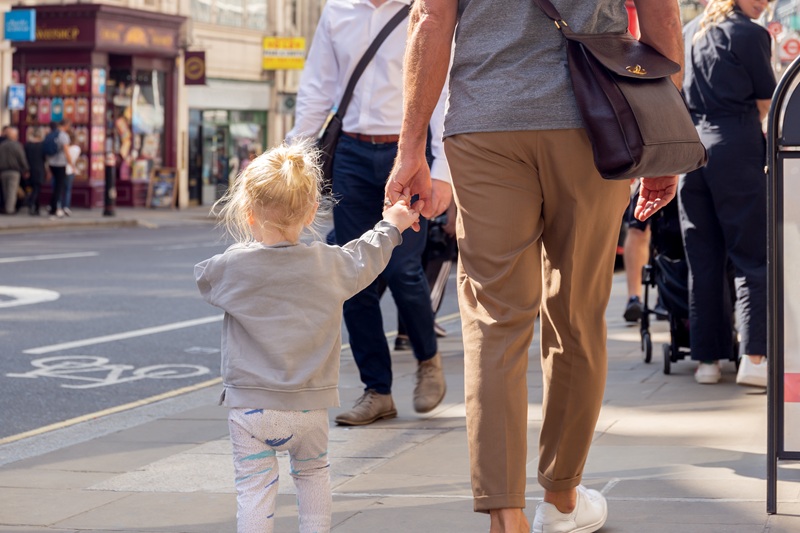
The Grand Strand welcomes more than 17 million visitors each year. That volume can put large numbers of pedestrians and drivers into the same tourist corridors, particularly during busy travel periods.
Drivers may be navigating unfamiliar roads or looking for hotels, parking areas, restaurants, and attractions. At the same time, pedestrians may cross between businesses, accommodations, beach access points, and entertainment areas. Crosswalk locations, visibility, traffic volume, lighting, and roadway design can all affect the risk of a collision.
Similar concerns can arise in areas such as Murrells Inlet, where restaurants and other waterfront destinations generate both vehicle and pedestrian traffic. The circumstances of each crash still matter, but tourist activity can create traffic conditions different from those found on less-traveled residential streets.
What South Carolina Law Requires of Drivers Near Pedestrians

South Carolina law establishes several duties for drivers approaching pedestrians. Under South Carolina Code § 56-5-3130, a driver must yield when traffic signals are absent or not operating and a pedestrian is crossing within a crosswalk. This applies when the pedestrian is on the driver’s half of the roadway or approaching closely enough from the opposite half to be in danger.
Pedestrians also have responsibilities. They cannot suddenly leave a curb or other place of safety and enter the path of a vehicle that is too close to stop safely. Pedestrians crossing outside a marked crosswalk or an unmarked crosswalk at an intersection generally must yield to vehicles.
Drivers still have a broader duty to watch for pedestrians. South Carolina Code § 56-5-3230 requires drivers to exercise due care to avoid collisions with pedestrians. It also requires proper precautions when a driver observes a child or someone who is obviously confused, incapacitated, or intoxicated.
These duties can be particularly relevant in tourist areas where pedestrians and vehicles frequently share busy streets. Whether a pedestrian had the right of way is important, but it is not necessarily the only consideration when evaluating how a collision occurred.
Can a Driver Pass a Vehicle Stopped for a Pedestrian?
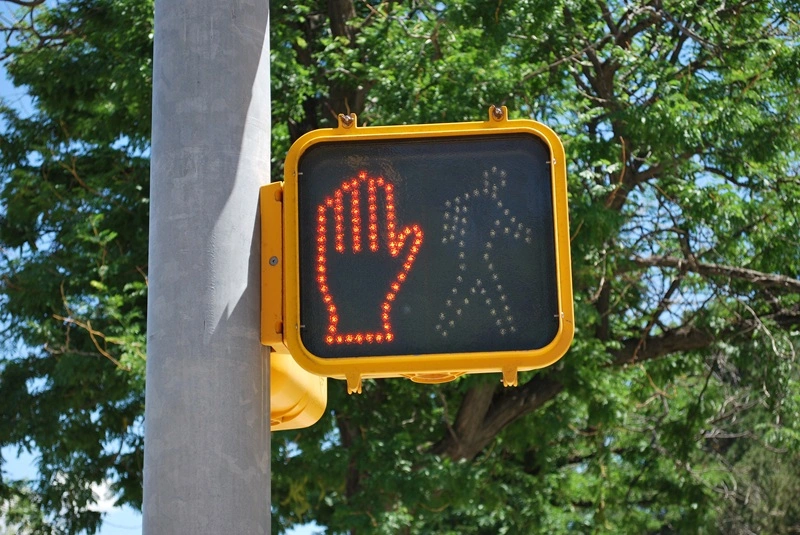
No. South Carolina law prohibits a driver from overtaking and passing another vehicle that has stopped to allow a pedestrian to cross at a marked crosswalk or an unmarked crosswalk at an intersection.
The rule addresses a particularly dangerous visibility problem. A stopped vehicle can block the approaching driver’s view of a pedestrian already entering or crossing the roadway. Passing that vehicle can put the pedestrian directly in the path of the approaching car.
In a pedestrian accident claim, evidence that a driver passed a vehicle stopped at a crosswalk may therefore become relevant when determining how the collision occurred.
Does Crossing Outside a Crosswalk Affect Fault?

Yes. A pedestrian crossing outside a marked crosswalk or an unmarked crosswalk at an intersection generally must yield to vehicles on the roadway. However, that does not eliminate a driver’s separate duty to exercise due care to avoid colliding with a pedestrian.
Under South Carolina Code § 56-5-3230, drivers must exercise due care to avoid pedestrians and provide a warning by sounding the horn when necessary. The duty applies even when the pedestrian does not have the right of way.
Crossing outside a designated crosswalk can still become important when fault is determined. South Carolina follows a modified comparative negligence rule, so the actions of both the pedestrian and driver may be considered. A pedestrian’s share of fault can reduce a recovery and, if greater than the defendant’s, prevent recovery.
In tourist areas, evidence about visibility, lighting, traffic conditions, the pedestrian’s location, and the driver’s actions can help establish how the collision occurred.
What Does Horry County Data Show?
South Carolina Department of Public Safety data reported in 2024 identified 589 pedestrian-related collisions in Horry County over the preceding five years. Those crashes resulted in 562 injuries and 98 deaths.
The data also shows that pedestrian and driver behavior can both contribute to these crashes. According to the reported SCDPS figures, pedestrians illegally in the roadway were associated with 189 collisions and 54 fatalities. Failure to yield was identified in 92 collisions, while improper crossing was identified in 75.
The numbers reinforce why fault in a pedestrian accident should be evaluated from the specific circumstances rather than assumed from the location of impact alone. Crosswalk use, right of way, visibility, driver conduct, and other evidence can all become relevant.

Does a Police Report Determine Fault After an Accident?
No. A police report can contain important information about a pedestrian accident, but it does not make the final determination of civil liability.
South Carolina law places limits on how certain accident reports required by state law can be used in a civil trial. Under South Carolina Code § 56-5-1290, those reports cannot be used as evidence of negligence or due care by either party.
A crash report can still provide useful information during an investigation. Depending on the circumstances, it may identify the drivers and witnesses, document the location, and record observations made shortly after the collision.
Fault in a personal injury claim ultimately depends on the underlying evidence. That can include witness accounts, photographs, video footage, vehicle damage, roadway conditions, traffic signals, and the actions of both the pedestrian and driver.
Why Evidence Can Be Harder to Preserve in Tourist Areas
Pedestrian accidents in tourist areas can involve evidence that becomes harder to locate as time passes. Visitors may return home, businesses may control relevant surveillance footage, and changing traffic conditions can make the scene look different later.
Evidence that may help clarify how a collision occurred includes:
- Witness information: Tourists, employees, and other witnesses may leave the area shortly after the accident.
- Photos of the scene: Crosswalk markings, traffic signals, signs, lighting, visibility, and surrounding conditions can provide important context.
- Surveillance footage: Hotels, restaurants, stores, parking areas, and other nearby properties may have cameras facing the roadway or sidewalk.
- Law enforcement records: An officer’s report can document information about the scene, drivers, witnesses, and other circumstances.
- Medical records: Records created after the collision can document injuries, treatment, and how symptoms develop over time.
These sources do not necessarily establish fault on their own. Together, however, they can help reconstruct the circumstances surrounding a pedestrian accident after witnesses leave and the scene changes.
Understanding Fault After a Tourist-Area Accident
Pedestrian accidents in tourist areas can involve several overlapping factors. Crosswalk location, right of way, visibility, traffic conditions, and the actions of both the pedestrian and driver may all affect how fault is determined.
South Carolina law establishes duties for both pedestrians and motorists. A pedestrian crossing outside a crosswalk may have to yield to traffic, while drivers still have a duty to exercise due care to avoid a collision. When both parties contribute to a crash, South Carolina’s comparative negligence rule can affect whether compensation is available and how much may be recovered.

Tourist-area crashes can also create practical challenges. Witnesses may leave the area quickly, and useful surveillance footage may be controlled by nearby hotels, restaurants, or other businesses. Identifying and preserving available evidence can therefore become an important part of investigating the accident.
Morris Law, LLC, can review the location, applicable traffic laws, and available evidence after a pedestrian accident in Myrtle Beach or another South Carolina tourist area.