

A second head injury can happen before someone has fully recovered from the first. The initial injury might occur during a football game, but it could also result from a car accident, bicycle crash, or another event.
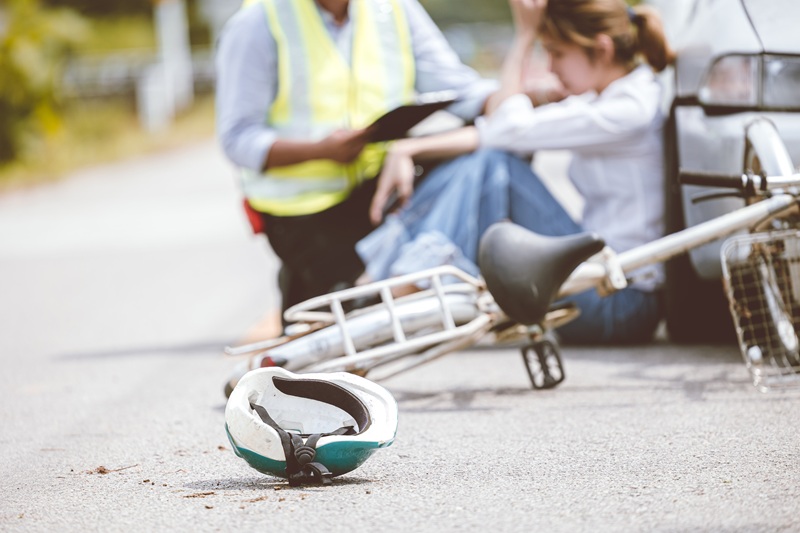
This is where second impact syndrome enters the discussion. The term generally describes catastrophic brain swelling associated with a second head injury before symptoms from an earlier concussion have resolved. Reported cases are rare, and researchers continue to debate whether second impact syndrome is a distinct medical condition.
The uncertainty does not make recovery precautions less important. The CDC advises people recovering from a concussion to avoid activities that put them at risk of another head injury. Athletes should return to sports only with healthcare-provider approval.
For someone recovering from a brain injury, following medical guidance can help reduce the risk of another injury during recovery. This applies whether the original injury happened on the field or somewhere else.
What Is Second Impact Syndrome?
Second impact syndrome is a term used to describe rapid and potentially catastrophic swelling in the brain following a second head injury before recovery from an earlier concussion. Most reported cases involve adolescents or young adults, particularly athletes. However, the condition is rare, and its precise medical definition and mechanism remain disputed.

One proposed explanation involves a loss of the brain’s ability to regulate blood flow, followed by rapid swelling and increased pressure inside the skull. However, researchers have questioned whether reported cases represent a distinct syndrome or another form of severe cerebral swelling after traumatic brain injury.
When catastrophic deterioration occurs, it can happen quickly. This is one reason concussion management focuses on preventing another head injury during recovery rather than waiting for signs of a severe complication.
The CDC’s concussion guidance recommends removing an athlete from participation immediately when a concussion is suspected. An athlete should not return the same day and should remain out until cleared by a healthcare provider.
Why Recovery Time After a Head Injury Matters
Recovery from a head injury varies with the severity of the injury and the individual. A mild traumatic brain injury, including a concussion, may improve relatively quickly. However, some symptoms can continue for weeks or longer. More serious brain injuries can require months or years of treatment, rehabilitation, and recovery.
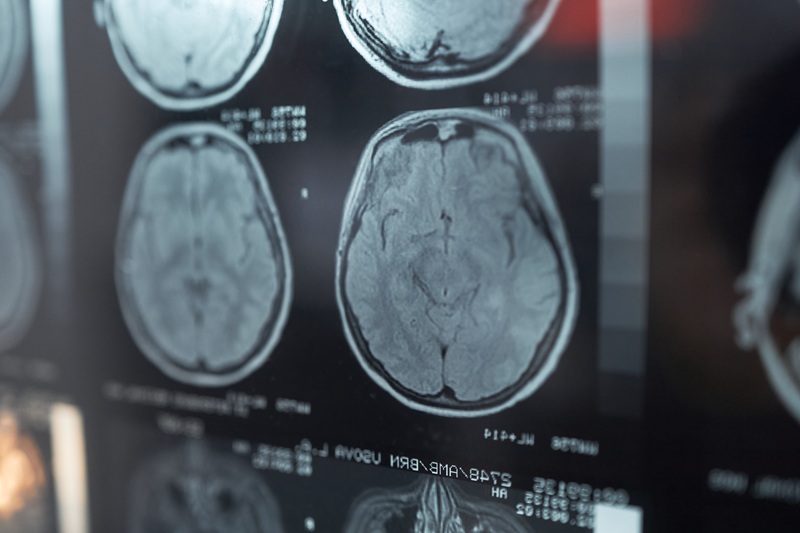
The recovery timeline is especially important when deciding when to resume activities that carry a risk of another injury. Feeling better does not necessarily mean someone should immediately return to contact sports, strenuous work, or other higher-risk activities.
For example, someone who sustains a concussion in a motorcycle accident may be told to temporarily avoid contact sports. If that person feels better a week later, the improvement does not override the medical restrictions they received. Playing recreational football before being cleared could expose them to another head injury during recovery.
For student-athletes, the same principle applies even when the first injury happens away from the field. A teenager recovering from a concussion after a slip and fall, work accident, or other injury event should follow their healthcare professional’s instructions before returning to practice or competition.
| Type of Head Injury | Recovery May Involve | Why Follow-Up Matters |
| Mild TBI or concussion | Symptoms often improve over days or weeks, although some people experience longer-lasting symptoms | Feeling better does not necessarily mean it is appropriate to resume activities with another head-injury risk |
| Moderate or severe TBI | Recovery may continue for months or years and can involve rehabilitation and ongoing medical care | Medical guidance can help determine when and how activities should be resumed safely |
Who Is Most Often Affected by Second Impact Syndrome?

Published reports of second impact syndrome have primarily involved adolescents and young adults, particularly athletes. A 2016 review identified 17 cases meeting its criteria, involving patients ages 13 to 23. Poor outcomes were more common among patients younger than 20.
Researchers have proposed several explanations for why younger people appear more frequently in reported cases. However, the small number of documented cases and continuing debate over the syndrome make it difficult to define precisely who is most susceptible.
The concentration of reported cases among younger athletes helps explain the attention given to concussion management in youth sports. It does not mean adults can disregard recovery instructions after a concussion. Avoiding activities that could cause another head injury remains an important precaution during recovery.
Why Is Second Impact Syndrome Medically Controversial?
Second impact syndrome remains a subject of debate within the medical literature. Researchers disagree about whether it represents a distinct condition caused by a second concussion before recovery from the first.
Some researchers have questioned whether reported cases instead represent diffuse cerebral swelling or another catastrophic response to injury. Reviews have also noted the small number of documented cases and differences in how second impact syndrome is defined.
This uncertainty does not eliminate the reason for caution after a concussion. Avoiding another head injury and following medical guidance remain important parts of recovery. For athletes, return-to-play protocols provide additional safeguards before they resume activities where another head impact could occur.
What Does South Carolina’s Return-to-Play Law Require?
South Carolina Code § 59-63-75 establishes concussion protocols for student-athletes. If a coach, athletic trainer, official, or physician suspects a student-athlete sustained a concussion or brain injury during practice or competition, the athlete must be removed at that time.
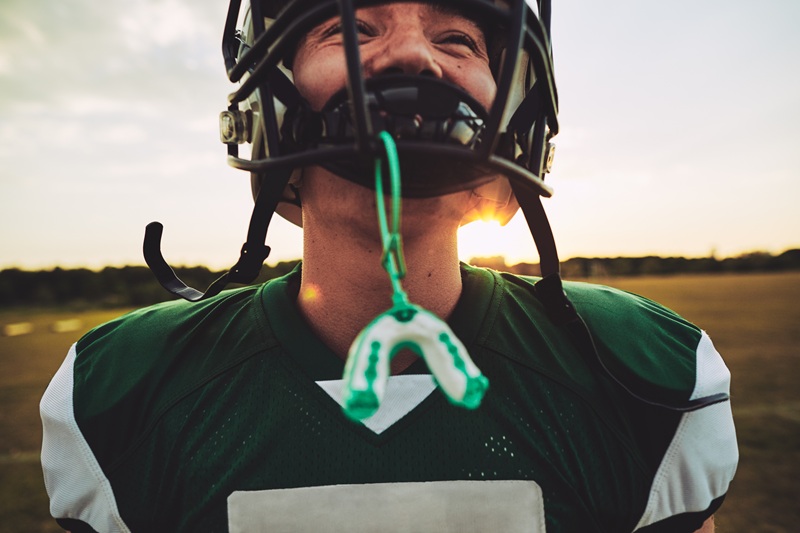
An athlete who has been removed may return after an on-site evaluation if an authorized medical professional determines there are no signs or symptoms of a concussion or brain injury. The statute identifies athletic trainers, physicians, qualifying physician assistants, and qualifying nurse practitioners as professionals who may make this determination.
If the athlete is evaluated and remains suspected of having a concussion or brain injury, the requirements become stricter. The student may not return to play until receiving written medical clearance from a physician.
South Carolina law also requires school districts to provide concussion information to coaches, volunteers, student-athletes, and parents or guardians each year. The information must address concussion and brain injury risks, including the risks associated with continuing to play after an injury. A parent or guardian’s receipt must be documented before the student participates in practice or competition.
What If the First Concussion Happened Away From the Field?
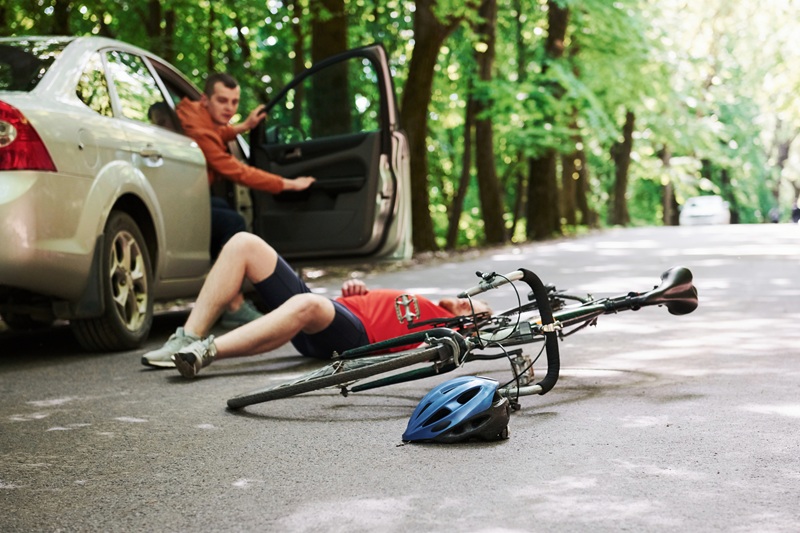
A student’s earlier head injury does not necessarily happen during school athletics. A concussion could result from a car accident, bicycle crash, pedestrian incident, or another event outside practice or competition.
For example, a teenager involved in an accident may receive instructions to temporarily avoid contact sports. Feeling better several days later does not replace those medical instructions. The student should follow the treating provider’s recovery and return-to-activity guidance before resuming a sport with another risk of head impact.
This situation also illustrates an important limit of the statute. The removal provision of § 59-63-75 specifically addresses a suspected concussion or brain injury sustained during practice or athletic competition. That does not mean an off-field concussion is medically irrelevant when deciding whether a student is ready to participate.
A concussion does not have to happen during a game or practice to affect a child’s return to sports. Follow the treating provider’s activity restrictions after an injury rather than relying only on whether the child says they feel ready to play.
What About Recreational and Club Sports?
South Carolina’s statute establishes requirements for school districts and student-athletes, and its state concussion guidelines apply to South Carolina High School League-sanctioned events. A private club, recreational league, or informal athletic activity may not fall within the same statutory framework.
That difference in legal coverage does not make concussion precautions unnecessary. Athletes recovering from a head injury should continue to follow the medical guidance they receive before returning to activities that could expose them to another head impact.
Taking an Injury Seriously During Recovery

Second impact syndrome remains medically debated, but the broader lesson is much clearer. A brain injury deserves appropriate medical care, time to recover, and attention to the restrictions provided during that recovery.
That responsibility does not end when symptoms begin to improve. Someone recovering from a concussion should follow medical guidance before returning to sports, strenuous work, or activities that create another risk of head injury.
Brain injuries can have consequences that extend well beyond the initial accident. If another person’s negligence caused a serious injury, Morris Law, LLC, can evaluate what happened, the effects of the injury, and the legal options available for pursuing compensation.