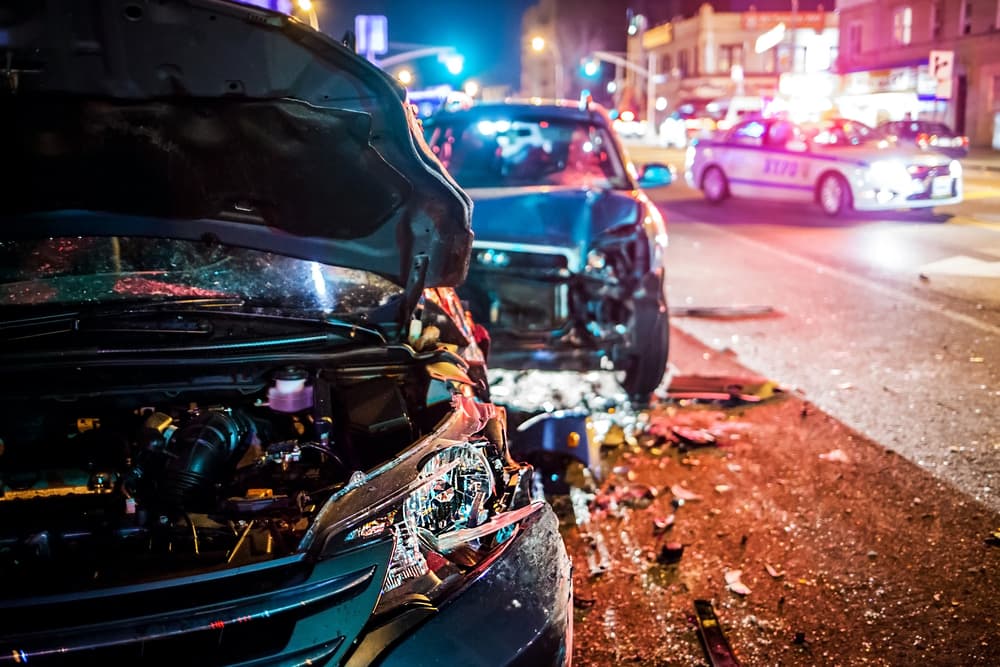
Determining rear-end collision fault usually seems straightforward: the trailing driver is typically to blame. However, liability isn't always black and white.
Every accident involves unique variables, and multiple parties can be held responsible depending on the specific circumstances.
If you were injured in a crash, whether you were the lead vehicle driver or part of a multi-car pileup, you need to know how insurance companies and courts assign blame.
To protect your rights and maximize your recovery, contact an experienced car accident attorney for a free consultation.
Why Does Fault Matter in a Rear-End Collision?
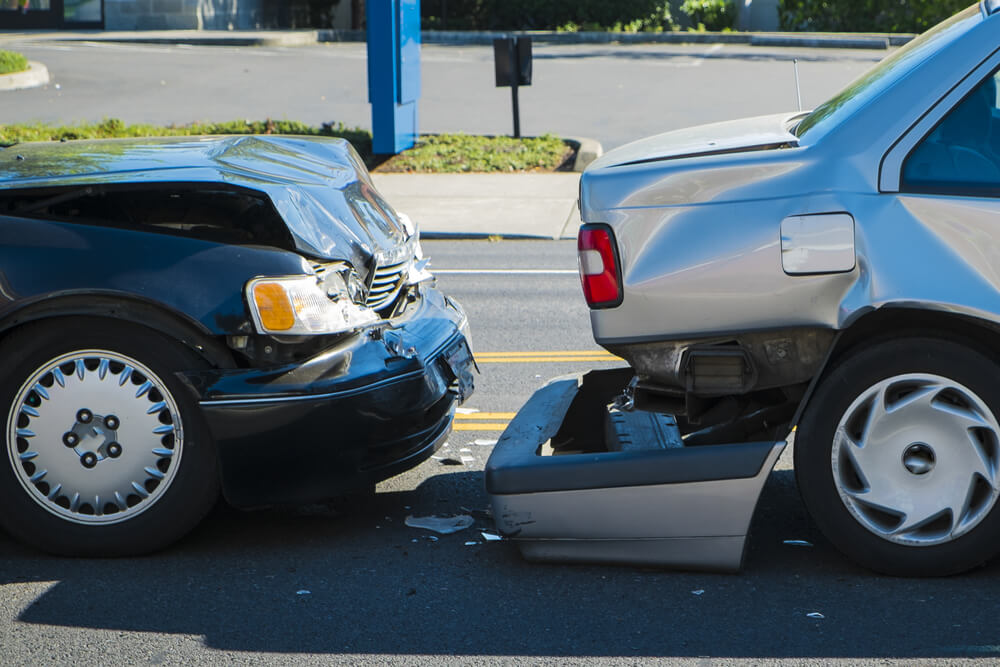
Rear-end collisions are the most common motor vehicle accidents in the U.S., accounting for 29 percent of all crashes according to the National Highway Traffic Safety Administration (NHTSA).
Beyond simple bumper repairs, these accidents often result in severe or even fatal injuries, such as whiplash, spinal damage, and traumatic brain injuries.
Your path to recovery depends largely on your state’s insurance laws:
- At-Fault States: Victims typically have the immediate right to seek full compensation from the liable driver's insurance.
- No-Fault States: Victims must first exhaust their own Personal Injury Protection (PIP) benefits before they can pursue a claim against the at-fault party.
What Does Fault Mean?
Generally speaking, the term "fault" refers to who bears responsibility for an undesired outcome.
That's typically how lawyers and insurance companies use it, too, but only when the facts of a situation meet specific criteria.
Someone is legally at fault for an accident or incident only if:
- They had a recognized duty not to put others in harm's way
- Their unreasonably dangerous decisions, actions, or failures to act violated that duty and caused a harmful accident or incident
- As a result, someone else suffered physical, emotional, or financial injuries
By law, a person who meets those criteria will owe monetary damages to the rear-end accident's injured victims.
Who Is Liable for a Rear-End Collision?
While rear-end accidents are common, determining liability is rarely as simple as it seems.
The Trailing Driver: The Most Common At-Fault Party
Statistically, the driver of the trailing vehicle is most often to blame.
Every motorist has a "duty of care" to maintain a safe following distance. When a driver engages in negligent behavior, they breach that duty.
Common causes of trailing-driver negligence include:
- Speeding: Reducing the time available to react to traffic flow.
- Tailgating: Following too closely to allow for a safe emergency stop.
- Distracted Driving: Using a cell phone or adjusting the radio, leading to a failure to notice slowed traffic.
- Reckless Driving: Disregarding traffic signals or failing to account for wet or icy road conditions.
The Leading Driver: When the Front Vehicle Is to Blame
It is a common myth that the front driver is never at fault.
In reality, "lead vehicle negligence" is a frequent factor in personal injury claims.
A leading driver may be liable if they:
- Swerve or "Cut Off" Traffic: Merging into a lane without leaving a safe gap.
- Brake Checking: Intentionally slamming on brakes to "punish" a trailing driver.
- Equipment Failure: Operating a vehicle with broken brake lights or non-functional turn signals.
- Reversing Errors: Improperly backing into a vehicle in traffic or parking lots.
Third-Party Motorists: The Chain Reaction Effect
Sometimes, a driver who wasn't even touched in the collision is the one legally responsible.
For example, if an aggressive driver cuts off a car, forcing them to slam their brakes and causing a "chain reaction" crash behind them, that aggressive driver may be held liable for the entire sequence of events.
Automotive Manufacturers: Product Liability Claims
If a mechanical failure caused the crash, you may have a product liability claim against the manufacturer.
Under strict liability laws, a manufacturer can be held responsible even if they weren't "negligent" in the traditional sense, they just have to be proven to have sold a defective product.
Common defects include:
- Brake System Failure: Faulty pads, rotors, or hydraulic lines.
- Tire Blowouts: Design defects that cause tires to disintegrate at high speeds.
- Malfunctioning Safety Tech: "Self-driving" or collision-avoidance systems that fail to engage.
Government Entities & Road Maintenance Liability
Hazardous road conditions are often overlooked in rear-end accident investigations.
If a government entity or private contractor fails to maintain safe roadways, they can be held accountable for resulting crashes.
Examples of road-related negligence:
- Timing Issues: Malfunctioning or poorly timed traffic signals.
- Lack of Signage: Missing "Stop Ahead" or "Construction Zone" warnings.
- Poor Road Design: Hidden merges or inadequate lane markings that lead to sudden stops.
Fatal Rear-End Accidents
If a rear-end accident inflicts fatal injuries, the deceased victim’s next of kin can seek justice and compensation for their loss through a wrongful death lawsuit. Depending on the law of the state where the accident occurred, they may have the right to demand payment from an at-fault or another liable party for:
- Loss of the victim’s income, financial support, or services
- Loss of the victim’s society, including loss of consortium, companionship, or parental guidance
- The victim’s pain and suffering before death
- The emotional distress of a next of kin due to the death
- Medical and other expenses the victim incurred before dying
- Funeral and burial expenses
What Compensation Can You Recover for a Rear-End Accident in South Carolina?
In a rear-end collision, the compensation you can recover typically depends on various factors, including the extent of the damages, injuries sustained, and applicable laws in your jurisdiction.
| Damage Category | Description of Coverage |
|---|---|
| Medical Expenses | Includes reimbursement for hospital stays, surgery, medication, and rehabilitation, as well as any necessary ongoing medical treatment related to the accident. |
| Lost Wages | Compensation for past and future income if your injuries prevent you from returning to work or performing your previous job duties. |
| Property Damage | Covers the repair or replacement costs for your vehicle and any other personal property damaged during the collision. |
| Pain and Suffering | Addresses physical pain and emotional distress, including psychological impacts like anxiety, depression, or PTSD. |
| Loss of Consortium | Provides compensation for the loss of companionship, affection, or support if the accident negatively affects your relationship with a spouse or partner. |
| Punitive Damages | Awarded in cases of reckless or egregious behavior to punish the at-fault party and discourage similar conduct in the future. |
To determine the exact compensation you can recover, it's essential to consult with a personal injury attorney who can assess your case's specifics and advocate on your behalf.
What Can a South Carolina Car Accident Lawyer Do for Rear-End Accident Victims?
Every accident differs, as do the needs of its victims. When necessary, an experienced car accident lawyer can:
| Status | Legal Action |
|---|---|
| ✓ | Investigate the Cause: Identify at-fault parties with the help of forensic experts. |
| ✓ | Analyze Insurance: Evaluate all policies available to cover your specific losses. |
| ✓ | Handle Communications: Manage all adjusters so you never have to answer their calls. |
| ✓ | Expert Advice: Guide you through financial and personal decisions affecting your rights. |
| ✓ | File Claims: Prepare and file lawsuits demanding full compensation from liable parties. |
| ✓ | Negotiate Settlements: Fight for a fair settlement with defense lawyers and adjusters. |
| ✓ | Review Offers: Advise you on whether to accept or reject insurance settlement offers. |
| ✓ | Trial Representation: Present your case to a judge and jury if a settlement isn't reached. |
| ✓ | Finalize Payment: Ensure all settlement or jury award funds are properly received. |
To find out more about what a lawyer can do for you after a car accident, contact a personal injury attorney in your area.
FAQ
Get quick answers to the most common legal and insurance questions following a rear-end collision in South Carolina.
Q: What if I don't feel injured immediately after the accident?
Adrenaline often masks symptoms of whiplash or concussions.
If you delay treatment, adjusters may argue your injuries aren't crash-related.
We recommend seeing a doctor immediately to document your health for a potential personal injury claim.
Q: How long do I have to file a claim in South Carolina?
South Carolina law generally provides a three-year statute of limitations for car accident lawsuits.
However, deadlines can vary for government vehicles.
Q: Can I still get compensation if I was partially at fault?
Yes. South Carolina follows "comparative negligence."
As long as you are not more than 50% responsible, you can recover damages (minus your percentage of fault). We investigate the cause to ensure you aren't unfairly blamed.
Q: Why is the insurance company offering me a settlement so quickly?
This is a tactic to get you to sign away your rights before the full cost of your medical needs is known.
Always have an attorney negotiate with insurance adjusters to ensure the offer reflects your true losses.
Q: What happens if the driver who hit me doesn't have insurance?
You may be able to file a claim through your own Uninsured Motorist (UM) coverage.
Navigating your own policy can be difficult, so legal guidance from a car accident lawyer is essential.
Q: What if a loved one died in a rear-end crash?
The deceased victim’s next of kin can seek justice through a wrongful death lawsuit.
This can cover loss of income, funeral expenses, and emotional distress.
Q: How is a "chain reaction" rear-end accident handled?
In multi-car pileups, liability is often split.
Our team identifies which driver’s initial impact triggered the sequence to determine who is responsible for each victim's damages.
Q: What if a rear-end crash happened in a parking lot?
Fault still applies on private property. Whether a driver backed into you or failed to yield, we use security footage and witness statements to prove negligence.
Q: Should I give a recorded statement to the other driver's insurance?
No. You are not legally required to provide one immediately. These statements are often used to find inconsistencies; let your lawyer handle all communications instead.
Q: Will my case have to go to trial?
Most rear-end claims are settled out of court. However, if the insurer refuses a fair offer, we are prepared to take your case to trial to secure the compensation you deserve.
Contact a South Carolina Car Accident Lawyer Today

If you or a loved one were injured in a rear-end collision, you shouldn't have to fight for your recovery alone.
While determining fault in a rear-end collision might seem simple, forcing insurance companies to pay what you are truly owed requires aggressive legal skill.
At Morris Law, LLC, our team understands the tactics adjusters use to devalue your claim.
As a dedicated law firm, we handle every detail of your case—from investigating the crash to negotiating your maximum settlement—so you can focus on healing.
You don't owe us a dime unless we win your case.
Take the first step toward the compensation you deserve. Contact a skilled car accident lawyer at Morris Law, LLC today for a free case evaluation.