Thank you so much for your advice! I highly recommend him!
Mr. Morris was extremely helpful with helping me understand the situation. What seemed very confusing to me he actually broke everything down so I could understand what everything meant. Thank you so much for your advice! I highly recommend him!
Crissy Blumer
5.0
I recommend him highly.
Jeff is a very proficient lawyer when it comes to the laws surrounding accidents, settlements and workers comp cases. He is very understanding, communicative and worked diligently on my case and settled in a very timely manner. Jeff did not allow anyone to take advantage of me and ensured that I got the proper care attention and payout I deserved. I recommend him highly.
Guiseppe Paparo
5.0
I appreciate all that Morris Law Accident Injury Lawyers did for me.
I appreciate all that Morris Law Accident Injury Lawyers did for me. Very friendly, professional, and knowledgeable staff that helped during a difficult time.
Workers' Compensation Case Involving a Motor Vehicle Accident
$2,700,000
Motorcycle Accident Construction Zone, Contractors Held Liable
$675,000
Motor Vehicle Accident in Georgetown County
$675,000
Auto Accident Settlement With A Recommended Back Surgery
$675,000
Car Accident Settlement: DUI With A Broken Leg
$725,000
Pedestrian Vs Auto With Neck Injury
$2,000,000
Pedestrian Vs Auto With Neck Injury
$458,630.32
MVA Settlement
Get Your Free Case Evaluation
Fill out the form below and we’ll contact you within 24 hours.
"*" indicates required fields
Legally Reviewed By Jeff Morris
Last Update:
Table of Contents
A workplace injury can leave you dealing with far more than physical pain. You may be unable to work, uncertain about how your medical treatment will be paid for, or facing questions from an insurance company before you’ve even had time to recover. South Carolina’s workers’ compensation system is designed to provide benefits to injured employees, but navigating that system is not always straightforward. Our Columbia workers’ compensation lawyers can help.
Unlike a personal injury lawsuit, workers’ compensation generally does not require you to prove your employer was negligent. Instead, the focus is on whether your injury arose out of and in the course of your employment and whether you qualify for benefits under South Carolina law.
At Morris Law, our attorneys help injured workers throughout Columbia and the Midlands understand their rights, pursue the benefits available to them, and address issues that arise when claims are delayed, disputed, or denied. Whether you work in healthcare, construction, manufacturing, transportation, education, retail, state government, or another industry, we’re prepared to guide you through every stage of the workers’ compensation process..
Helping Injured Workers Understand Their Rights
Workers’ compensation claims often become more complicated than expected. Whether you’re dealing with delayed medical treatment, questions about wage benefits, or a denied claim, Morris Law helps Columbia workers understand their options and move forward with confidence.
Workers’ compensation claims are rarely as simple as submitting paperwork and waiting for benefits to arrive. Delays in medical treatment, disagreements over work restrictions, denied claims, and questions about disability benefits can quickly become overwhelming when you’re trying to recover from an injury.
At Morris Law, we understand that every workers’ compensation case affects more than a person’s health. Missing paychecks, uncertainty about returning to work, and concerns about long-term financial stability can place tremendous stress on injured workers and their families.
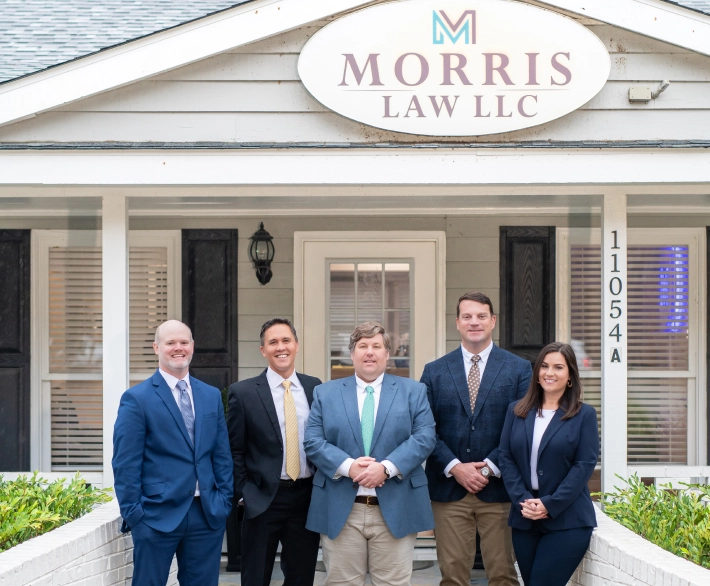
Since 2016, Morris Law has followed a quality-over-quantity philosophy, intentionally limiting our caseload so clients receive direct attorney involvement rather than being passed between departments. Our attorneys bring more than 75 years of combined legal experience and have recovered more than $25 million for clients across South Carolina.
When you work with Morris Law, you can expect:
Clear guidance through every stage of the workers’ compensation process.
Direct communication about your rights, benefits, and available options.
Preparation for disputes and hearings when insurance carriers challenge your claim.
Personal attention focused on helping you secure the benefits available under South Carolina law.
Our goal is to help injured workers throughout Columbia navigate a system that often becomes more complicated than they expected.
You’re Not Hiring Somebody to Tell You What to Do.
When you hire Morris Law, you hire an attorney who takes the time to explain your options, answer your questions, and help you make informed decisions about your workers’ compensation claim. We’re here to guide you, not pressure you.
Workplace Accidents That Often Lead to Workers’ Compensation Claims
Workplace injuries can happen in virtually any occupation, whether you spend your day on a construction site, caring for patients, operating machinery, driving between job sites, or working behind a desk. Some accidents happen in an instant, while others result from hazards that develop over the course of a normal workday.
At Morris Law, we represent injured workers throughout Columbia and the Midlands whose injuries occurred in a wide range of workplace settings. Common work-related accidents include:
Falls From Heights and Same-Level Falls
Construction workers, maintenance personnel, warehouse employees, and many others face fall hazards every day. Falls from ladders, scaffolding, roofs, loading docks, or elevated platforms can cause catastrophic injuries, while slips and trips on wet floors, uneven surfaces, or cluttered walkways are common across nearly every industry.
Machinery and Equipment Accidents
Manufacturing facilities, warehouses, distribution centers, and industrial workplaces rely on heavy equipment that can cause serious injuries when safeguards fail or accidents occur. Forklift collisions, machinery entanglements, crushing incidents, and equipment malfunctions often result in lengthy recovery periods.
Transportation and Vehicle Accidents
Employees who drive as part of their job, including delivery drivers, utility workers, sales representatives, and other traveling employees, can suffer serious injuries in vehicle crashes while performing work-related duties.
Lifting and Repetitive Motion Injuries
Not every workplace injury is caused by a dramatic accident. Healthcare workers lifting patients, warehouse employees moving inventory, retail workers stocking shelves, and office employees performing repetitive tasks can all develop injuries over time through repetitive physical stress or overexertion.
5.0
"The Morris Law Accident Injury Lawyers firm staff was efficient"
The Morris Law Accident Injury Lawyers firm staff was efficient, professional and honest from start to completion of my case. The staff answered all my concerns and always made me feel like a valued client. I would recommend Morris Law Accident Injury Lawyers to others..
J
Jennifer Simmons
Common Workplace Injuries We Help Columbia Workers Navigate
The severity of a workplace injury often determines how long an employee is away from work, what medical treatment is required, and whether permanent disability benefits may become available. Some workers recover within weeks, while others face months, or even years, of treatment and rehabilitation.
Our workers’ comp firm assists workers dealing with injuries such as:
Repetitive stress injuries, including carpal tunnel syndrome.
Occupational illnesses resulting from workplace exposures.
By Law
You must use an approved doctor for your workers’ compensation claim. Using an unapproved provider can complicate your claim and result in benefit denials.
Some injuries heal completely, while others permanently affect a person’s ability to perform the same job or return to the workforce altogether. When a work-related injury changes your ability to earn a living, understanding the benefits available through South Carolina’s workers’ compensation system becomes especially important.
Understanding the Benefits Available Through Workers’ Compensation
South Carolina’s workers’ compensation system is designed to provide certain benefits to employees who suffer work-related injuries or occupational illnesses. The benefits available depend on the nature of your injury, the medical treatment required, and how long the injury affects your ability to work.
At Morris Law, we help injured workers understand what benefits may be available under South Carolina law and address disputes when an insurance carrier delays, limits, or denies those benefits.
Medical Treatment
Workers’ compensation generally covers reasonable and necessary medical care related to a workplace injury. Depending on your condition, this may include emergency treatment, physician visits, surgery, hospitalization, diagnostic testing, prescription medications, physical therapy, and other medically necessary care.
It’s important to understand that, in most cases, your employer or its workers’ compensation insurance carrier has the right to authorize the treating physician. Seeking treatment from an unauthorized provider without approval may affect whether those medical expenses are covered.
At Morris Law, our work bigger than billboards and catchy slogans. It’s about helping people through one of the most difficult moments of their lives.
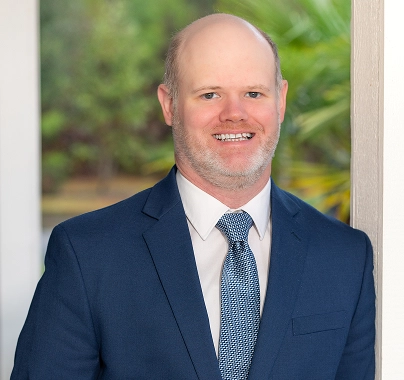
Jeff Morris,Columbia Workers’ Comp Lawyer
Temporary Disability Benefits
If your authorized treating physician determines that your injury prevents you from working, you may qualify for temporary disability benefits while you recover. These benefits are intended to replace a portion of your lost wages until you are medically able to return to work or your condition stabilizes.
Depending on your restrictions, benefits may be available if you are completely unable to work or if you’re only able to return in a limited capacity that reduces your earnings.
Permanent Disability Benefits
Some workplace injuries result in permanent physical limitations even after medical treatment has ended. If your injury leaves you with a permanent impairment, you may qualify for additional workers’ compensation benefits based on the nature of the injury and the impairment rating assigned by your authorized physician.
The extent of those benefits depends on several factors, including the body part involved, the severity of the impairment, and how the injury affects your ability to work.
Mileage Reimbursement and Other Covered Expenses
Many injured workers are surprised to learn that workers’ compensation may also reimburse certain travel expenses related to authorized medical treatment. If you must regularly travel for doctor’s appointments, therapy, diagnostic testing, or other approved care, keeping records of your mileage and related expenses may be important to your claim.
5.0
"Jeff was exceptional with my workers’ comp case."
Jeff was exceptional with my workers’ comp case. He always answered my emails quickly and was easy to talk to. I greatly appreciated the time he put into getting my case resolved. I would definitely use him again!
B
Bonnie Wright
Our Workers’ Compensation Attorneys Can Help Your Denied or Disputed Claim
Many employees assume that reporting a workplace injury automatically leads to approved benefits. Unfortunately, disputes are common, and even legitimate claims can encounter unexpected delays.
Insurance carriers may question:
Whether the injury occurred while performing job duties.
Whether the injury was reported within the required time.
Whether medical treatment is related to the workplace accident.
Whether the employee has reached maximum medical improvement.
Whether the employee is capable of returning to work with restrictions.
A delay or denial does not necessarily mean your claim lacks merit. In many situations, additional medical evidence, documentation, or representation during the claims process can help resolve disputes and protect your right to benefits.
Did You Know?
South Carolina law gives you 90 days to report your work injury to your employer. Avoid complications, begin today.
At Morris Law, our Columbia workers’ compensation attorneys assist injured workers throughout Columbia when claims become more complicated than expected. Whether you’re facing delays in medical treatment, questions about disability benefits, or a denied claim, we work to protect your interests and help you navigate the workers’ compensation system with confidence.
Your Benefits Matter. So Does Your Future.
A workplace injury can affect your health, your paycheck, and your family’s financial security. Morris Law works to protect the workers’ compensation benefits you’re entitled to while helping identify any additional legal options that may be available.
When a Workplace Injury Involves Someone Other Than Your Employer
While workers’ compensation benefits are available regardless of who caused most workplace accidents, they do not always represent an injured worker’s only legal option. In some situations, another person or company—not your employer—may have contributed to the accident.
These situations are commonly referred to as third-party claims, and they may exist alongside a workers’ compensation claim.
Examples include:
A driver who causes a collision while you’re operating a company vehicle.
A subcontractor whose negligence leads to a construction site injury.
A property owner who fails to maintain safe conditions at a job site.
A manufacturer that produces defective machinery, tools, or safety equipment.
A contractor or vendor whose actions create a hazardous work environment.
Unlike workers’ compensation, a third-party personal injury claim may allow an injured worker to pursue damages that are not available through the workers’ compensation system, such as compensation for pain and suffering. Whether a third-party claim exists depends on the specific facts of the accident.
At Morris Law, our Columbia workers’ compensation attorneys evaluate every workplace injury to determine whether additional sources of recovery may be available. If another individual or company contributed to your injuries, we’ll explain your legal options and how those claims may work alongside your workers’ comp case.
Understanding South Carolina Workers’ Compensation Laws
South Carolina employers with four or more employees are generally required to carry workers’ compensation insurance, though some industries and employers are subject to different requirements. If you’re injured on the job, protecting your right to benefits often begins with reporting the injury promptly and following the procedures required by the workers’ compensation system.
State law generally requires injured employees to notify their employer of a workplace injury within 90 days of the accident. Waiting too long to report an injury can jeopardize your ability to recover benefits, even if the injury itself would otherwise qualify for coverage.
Workers’ compensation disputes are handled through the South Carolina Workers’ Compensation Commission, which oversees claims involving denied benefits, medical treatment disputes, disability determinations, and other issues that may arise during the claims process.
Because deadlines, medical documentation, and benefit eligibility can all affect the outcome of a claim, speaking with an attorney early in the process can help you understand your rights and avoid unnecessary complications.
Speak With a Columbia Workers’ Compensation Lawyer Today
A workplace injury can affect every part of your life, from your health and financial stability to your ability to provide for your family. If you’re struggling to obtain medical treatment, facing delays in your wage benefits, or dealing with a denied workers’ compensation claim, you don’t have to navigate the process alone.
At Morris Law, we help injured workers throughout Columbia and the Midlands understand their rights, pursue the benefits available under South Carolina law, and resolve disputes that stand in the way of their recovery. We take the time to understand your situation, explain your options clearly, and advocate for the outcome that best protects your future.
We represent injured workers on a contingency fee basis, meaning you pay no attorney’s fees unless we recover benefits or compensation on your behalf.
If you’ve been injured on the job in Columbia or the surrounding Midlands, contact Morris Law today to schedule your free consultation. We’ll review your situation, answer your questions, and help you move forward with confidence.
A South Carolina Law Firm That’s Here When You Need It
We don’t just represent injured workers in Columbia, we’re part of the communities we serve. Morris Law provides personal attention, direct attorney involvement, and experienced guidance from the first conversation through the resolution of your claim.