

Every year, thousands of people across the United States are seriously hurt by products they trusted.
A defective item, whether it’s potentially defective household chemicals, a children’s toy, or a prescription medication, can cause injuries that change lives in an instant.
Understanding the defective item meaning goes beyond a legal definition: it means recognizing that a product failed to perform safely as it was intended, and that someone is responsible for that failure.
A skilled South Carolina product liability attorney can identify who is responsible and help you file a product liability claim to seek the compensation you deserve.
If you or a loved one has been affected by a defective product, a personal injury lawyer can guide you through the legal process to seek the compensation you deserve.
What Is a Defective Item? Understanding the Meaning

A defective item is any product that causes harm because of a design flaw, a manufacturing mistake, or a failure to warn consumers about known risks.
In product liability law, a product does not need to be broken to be considered defective. It only needs to be unreasonably dangerous when used as intended.
This defective item meaning is the foundation of every product liability claim in South Carolina.
Here’s a quick look at what are the most common examples of defective products
These are some of the most common defective products that can cause severe harm and injuries:
Shocking Statistics

According to the US Consumer Product Safety Commission, defective and dangerous consumer products cause an estimated 31 million injuries and 23,000 deaths every single year in the United States.
Those aren’t just statistics; they represent real people who were hurt while using something they believed was safe.
Some defective items fail because of a flaw in the original design. Others are the result of mistakes made on the factory floor. And in some cases, manufacturers simply failed to warn consumers about risks they already knew existed.
Faulty electronics that overheat, children’s toys with dangerous small parts, automotive components that give out without proper warnings, these are just a few common examples of defective or dangerous products that cause real harm every day.
In the US, there are thousands of product recalls each year aimed at preventing harm, but unfortunately, many dangerous products reach consumers before these recalls occur.
When that happens, product liability law exists to hold manufacturers accountable and help injured victims seek compensation for medical expenses, lost income, and everything else a defective product has cost them.
Household Appliances

Most people do not think of household appliances when they hear about defective products. But common defective household appliances, from coffee makers that overheat and catch fire to dishwashers with faulty wiring, can cause serious injuries that happen without warning.
For example, a coffee maker could overheat and catch fire, or a dishwasher with bad wiring might give someone an electric shock.
We use these products every day and usually trust that they are safe, so it is surprising when something goes wrong.
If a household appliance is defective, the manufacturer or retailer may be responsible.
Children’s Toys
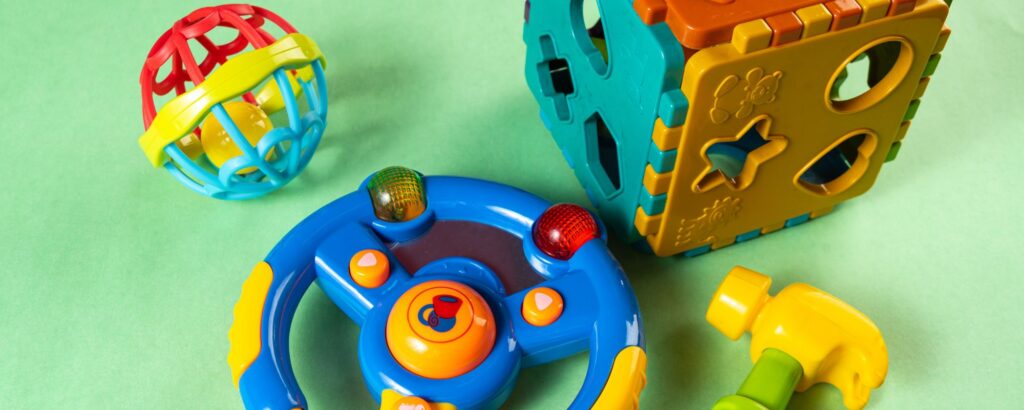
Children’s toys should bring joy and development to young minds, but the results can be tragic when defective. Some of the risks presented by defective toys include:
- Small parts that can detach and become choking hazards.
- Toys painted with toxic chemicals.
- Electronic toys with faulty batteries that overheat.
Parents trust the products they choose for their children. If a toy is unsafe, that trust is broken. Handling cases with defective children’s toys takes a strong grasp of product liability law and an understanding of the emotional impact.
Medical Devices
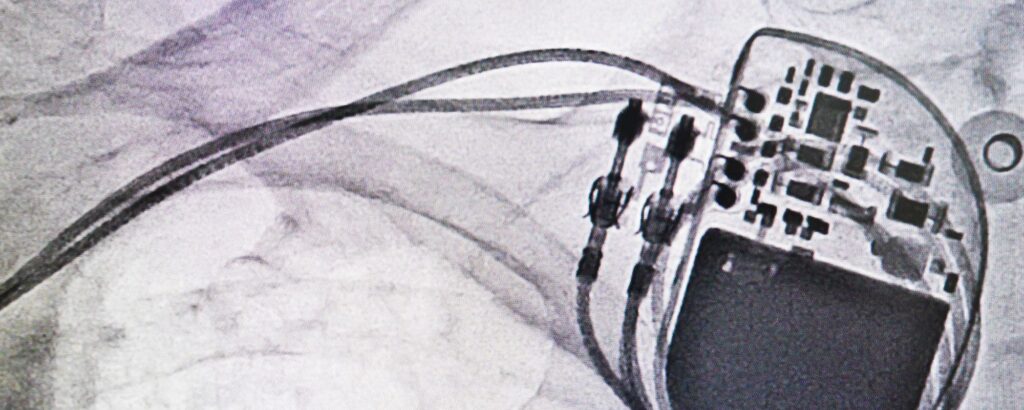
Medical devices are meant to improve the quality of life, but when they are defective, they can do more harm than good.
Pacemakers, artificial joints, and insulin pumps are some of the most well-known examples of defective medical devices that have been recalled because of serious defects.
These medical devices are especially challenging because they are complex and many patients depend on them to stay healthy.
A defective medical device can cause serious problems such as prolonged illness, additional surgeries, or even death.
Legal cases about defective medical devices are often complicated because they involve both medical malpractice and product liability law, making it essential to work with an attorney who understands both.
Automobiles

Cars are made up of thousands of auto parts, and any one of them can fail and cause an accident. But defective products in the auto industry are not limited to mechanical failures.
Design problems, like cars that roll over easily, faulty airbags, or bad tires, also happen more often than people think.
Defective cars are especially dangerous because one problem can put thousands of drivers at risk. A single defect can cause many accidents and injuries.
Handling these cases takes a deep understanding of both product liability law and how cars work.
A South Carolina personal injury attorney can help by bringing in the right experts and resources to build a strong case.
Pharmaceuticals

Pharmaceuticals are created to help people, but when they have defects, they can end up causing serious harm.
Problems like contamination during manufacturing, hidden side effects, or incorrect labeling make defective drugs a significant public health issue.
A challenging part of dealing with defective pharmaceuticals is that the harm they cause is often discovered years later. Many times, people do not notice the side effects until long after the drug has been available.
This delay makes legal cases more difficult because it is harder to prove the connection between the drug and the harm.
In these situations, working with a South Carolina product liability lawyer who understands pharmaceutical cases is important, as they can help show how the drug caused the problem.
Cosmetics

Cosmetics make up a multibillion-dollar industry, and people trust that these products are safe to use.
But defective cosmetic products can cause skin irritation, allergic reactions, or even serious health problems such as infections or chemical burns. Sometimes, harmful substances like asbestos or lead are found in these products.
Because people can react differently to cosmetics, it can be challenging to prove that a product caused an injury. Careful investigation and expert opinions are often needed.
Electronics
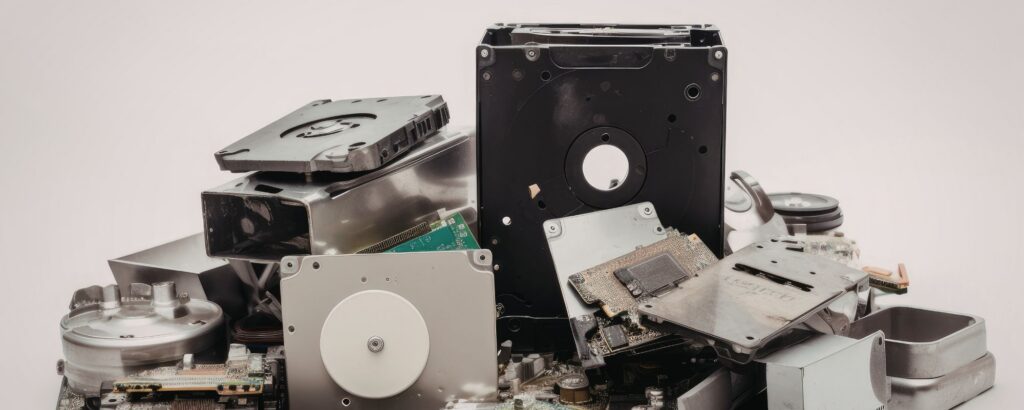
As technology advances quickly, electronic gadgets are now a regular part of our lives. But when companies rush to release new products, problems can happen.
For example, some smartphones have overheated and exploded, some laptops have faulty batteries, and some fitness trackers have caused skin burns.
Defective tech gadgets are a big concern because so many are sold, which means more people can be affected. Since tech products are made all over the world, it can be hard to find out where a problem started.
Safety Equipment
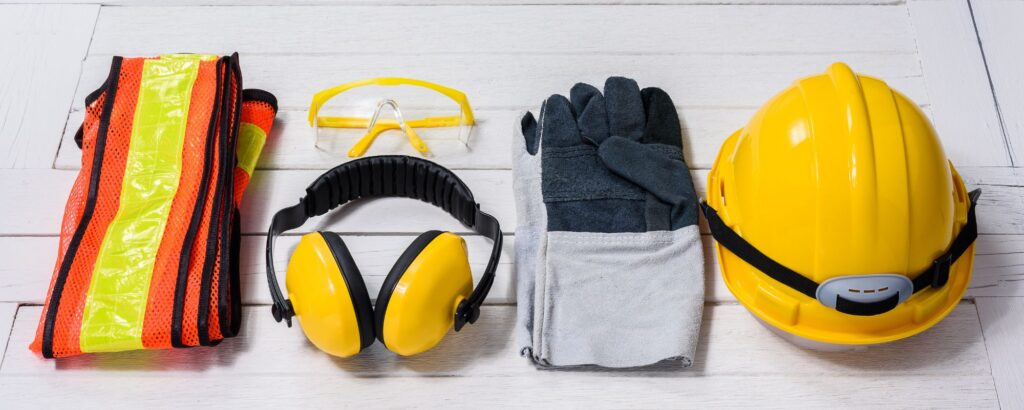
Sometimes, the very products meant to protect us turn out to be defective. This can have serious consequences, like when a smoke detector or fire extinguisher does not work properly, or when safety gear fails to do its job.
Often, these failures happen at the worst possible moments.
When safety equipment fails, it can have a deep emotional and psychological impact. People may feel betrayed and start to lose trust in other products, which can make them feel more vulnerable.
Food Products

When people think about defective or dangerous products, food is rarely the first thing that comes to mind.
But a defective food product, whether it’s peanut butter contaminated with salmonella or a mislabeled item that triggers a life-threatening allergic reaction, can cause serious harm.
For instance, peanut butter contaminated with Salmonella can cause severe food poisoning, or a mislabeled item that triggers a life-threatening allergic reaction can send someone to the emergency room.
Both are clear examples of a defective food product that puts consumers at serious risk.
It can be difficult to handle cases about defective food products because it is hard to find where the contamination started.
Food supply chains are complicated, so figuring out the exact cause takes work.
Outdoor Equipment

Outdoor enthusiasts count on their gear to be strong and safe. But when camping equipment, bikes, or climbing gear fails, the outcome can be devastating.
Picture a climbing rope that breaks, a tent that doesn’t shield you from the weather, or a bike with faulty brakes. Any of these situations can cause serious injury or even death.
What makes defective outdoor equipment cases different is where people use these products. Many times, gear fails in remote areas, far from quick help, which can make the situation even worse.
Common Injuries Caused By Defective Products
Defective products can cause many types of injuries, and some can be very serious or even life-threatening. These injuries usually happen because of problems with how the product was designed, made, or labeled.
Knowing about the common injuries linked to defective products can help people stay alert and know what to do if they get hurt.
| Type of Injury | How It Happens | Common Defective Items Involved |
|---|---|---|
| Burns and Explosions | Defective electrical appliances, electronics, and flammable products overheat or ignite unexpectedly | Smartphones, laptops, batteries, kitchen appliances |
| Lacerations and Cuts | Sharp edges, broken components, or poorly designed products make direct contact with skin | Kitchen appliances, power tools, children’s toys |
| Fractures and Broken Bones | Negligently manufactured products fail under normal use, causing falls or sudden accidents | Ladders, bicycles, exercise equipment |
| Poisoning and Chemical Burns | Harmful chemicals present due to inadequate labeling or accidental contamination during manufacturing | Cleaning agents, cosmetics, household products |
| Internal Injuries and Illnesses | Defective devices or contaminated products cause harm that isn’t immediately visible from the outside | Pacemakers, contaminated food, medical devices |
How a South Carolina Product Liability Attorney Will Investigate Your Case

If you have been hurt by a defective product, getting compensation involves more than simply showing you were injured. It is important to investigate and prove that the product was faulty and that this caused your injuries.
Here is how a South Carolina product liability attorney can look into your case to help you build a strong claim.
1. The Initial Consultation and Case Evaluation
The first step in any product liability case is a comprehensive consultation.
During this meeting, your lawyer will gather all relevant details about your injury, the product involved, and the circumstances leading up to the incident.
They’ll evaluate your case’s potential strengths and weaknesses and determine the best course of action.
2. Collecting Evidence
Your lawyer will then begin collecting evidence to support your claim.
This process may include obtaining the defective product, any packaging or instructions, and any photographs or videos of the incident or the product.
They’ll also gather medical records, eyewitness accounts, and relevant purchase receipts or product registrations.
3. Product Examination and Expert Consultation
A critical part of the investigation involves thoroughly examining the defective product.
Your attorney may work with engineering experts, product designers, or safety specialists to analyze the product’s design, manufacturing process, and potential flaws.
These experts can help identify whether the defect resulted from poor design, manufacturing errors, or a failure to warn users of potential dangers.
4. Reviewing Manufacturer’s Records
Your lawyer will also investigate the product’s manufacturer to build a robust case.
They’ll review previous recalls, complaints, or lawsuits related to the product.
Your attorney might also request internal documents from the manufacturer to uncover any history of defects or negligence in addressing safety concerns.
5. Building the Legal Argument
Once they collect all the evidence, your South Carolina product liability lawyer will formulate a legal strategy tailored to your case.
They’ll work to prove that the product was defective, that the defect directly caused your injury, and that you suffered damages.
6. Negotiating Settlements or Pursuing Litigation
With a strong case built, your lawyer will negotiate with the responsible parties for a fair settlement.
If the opposition refuses to settle, they’ll take your case to court and make a compelling argument that you deserve fair compensation.
Schedule a Free Consultation With a South Carolina Product Liability Attorney

The truth is, when a manufacturer fails to ensure their products are safe, they should be held legally accountable.
A defective item doesn’t just cause physical harm; it disrupts your life, drains your finances, and leaves you wondering how something like this was allowed to happen.
At Jeff Morris Law, we represent people in South Carolina who have been hurt by dangerous and defective products.
Don’t wait. Evidence disappears, and deadlines apply. Call us today or contact us online to schedule your free consultation.
There’s no cost to talk, and no fee unless we win your case.